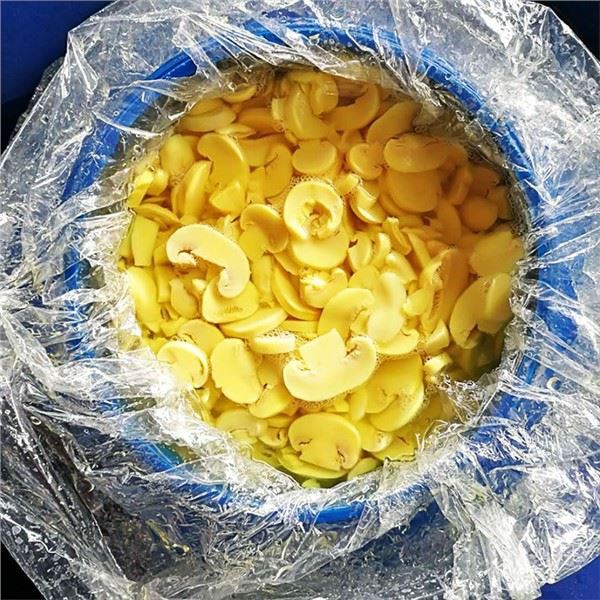

When it comes to the preservation of mushrooms, a topic of significant concern is safety. As a supplier of preserved mushrooms, I understand the importance of addressing these concerns comprehensively. This blog post aims to delve into the safety aspects associated with mushroom preservation, exploring various preservation methods and the potential risks and benefits they entail.
Common Preservation Methods and Their Safety Implications
Sulfur Dioxide (SO2) Preservation
One of the widely used methods for preserving mushrooms is through the use of sulfur dioxide (SO2). SO2 acts as a powerful preservative by inhibiting the growth of microorganisms, preventing enzymatic browning, and maintaining the color and texture of the mushrooms. Products like 4-5cm Fresh Whole Mushroom In SO2 and Preserved Mushroom in SO2 in Drum are examples of mushrooms preserved using this method.
However, the use of SO2 does raise some safety concerns. For individuals with sulfite sensitivity, consuming SO2 - preserved mushrooms can trigger allergic reactions. These reactions can range from mild symptoms such as skin rashes, itching, and hives to more severe respiratory problems like wheezing, shortness of breath, and even anaphylaxis in extreme cases. Regulatory bodies around the world have set limits on the amount of SO2 that can be used in food products to ensure consumer safety. In the European Union, for instance, the maximum level of sulfur dioxide in preserved mushrooms is strictly regulated.
Brine Preservation
Brine preservation is another common method for keeping mushrooms fresh. Preserved Fresh Mushroom In Brine In Whole is a product that utilizes this preservation technique. Brine, which is a solution of salt and water, creates an environment that is inhospitable to many microorganisms. The high salt concentration helps to draw out moisture from the mushrooms, reducing the water activity and inhibiting the growth of bacteria, yeasts, and molds.
The safety of brine - preserved mushrooms is generally high. However, excessive salt intake can be a concern for people with high blood pressure or other health conditions related to sodium consumption. It is important for consumers to be aware of the salt content in brine - preserved mushrooms and to consume them in moderation. Additionally, improper brine preparation or storage can lead to the growth of halophilic (salt - loving) bacteria, which may pose a health risk if consumed.
Quality Control and Safety Assurance in Mushroom Preservation
As a supplier of preserved mushrooms, I take safety very seriously. Our production process adheres to strict quality control measures to ensure that the mushrooms are safe for consumption.
Raw Material Selection
We start by carefully selecting the raw mushrooms. Only fresh, high - quality mushrooms are chosen for preservation. We source our mushrooms from trusted growers who follow good agricultural practices. This includes proper cultivation techniques, pest management, and harvest at the right stage of maturity. By starting with high - quality raw materials, we reduce the risk of contamination and ensure a better end - product.
Hygiene in the Production Process
Maintaining a clean and hygienic production environment is crucial. Our production facilities are regularly cleaned and disinfected to prevent the growth and spread of microorganisms. Workers are trained in proper hygiene practices, such as wearing protective clothing, washing hands frequently, and using clean equipment. All the equipment used in the preservation process, including brine tanks, SO2 injection systems, and packaging machines, is regularly inspected and maintained to ensure proper functioning.
Testing and Monitoring
We conduct regular testing of our preserved mushroom products. This includes testing for the presence of pathogens such as Salmonella, E. coli, and Listeria. We also test for the levels of preservatives like SO2 and salt to ensure compliance with regulatory standards. In addition, sensory evaluations are carried out to assess the color, texture, and flavor of the mushrooms. By continuously monitoring and testing our products, we can quickly identify and address any potential safety issues.
Regulatory Compliance
The mushroom preservation industry is subject to various regulations and standards. These regulations are in place to protect consumer health and ensure the safety of food products.
International Regulations
Internationally, organizations such as the Codex Alimentarius Commission set standards for food safety. These standards cover aspects such as maximum residue limits for pesticides, allowable levels of preservatives, and hygiene requirements for food production. Our company ensures that our preserved mushroom products meet or exceed these international standards.
Local Regulations
In addition to international standards, we also comply with local regulations in the markets where we sell our products. Different countries may have specific requirements regarding the use of preservatives, labeling, and packaging. For example, some countries require clear labeling of the presence of sulfites in SO2 - preserved mushrooms. We stay updated on these local regulations and make sure that our products are fully compliant.
Communicating Safety Information to Consumers
As a responsible supplier, we believe in providing clear and accurate safety information to our consumers. Our product labels include detailed information about the preservation method used, the ingredients, and any potential allergens. We also provide information on proper storage and handling of the preserved mushrooms to ensure their safety.
In addition to labeling, we have a customer service team that is available to answer any questions that consumers may have about our products. We encourage consumers to reach out to us if they have any concerns regarding the safety of our preserved mushrooms.
Conclusion
While there are some safety concerns associated with mushroom preservation, these can be effectively managed through proper production practices, quality control, and regulatory compliance. As a supplier of preserved mushrooms, I am committed to ensuring the safety of our products. We understand the importance of providing high - quality, safe mushrooms to our customers.
If you are interested in purchasing our preserved mushrooms, we invite you to contact us for further discussion. Whether you are a retailer, a food service provider, or an individual consumer, we are ready to meet your needs. We can provide you with more information about our products, pricing, and delivery options. Let's start a conversation about how we can work together to bring delicious and safe preserved mushrooms to your table.


References
- Codex Alimentarius Commission. (Year). General Standard for Food Additives.
- World Health Organization. (Year). Guidelines for Food Safety.
- European Union. (Year). Regulation on Food Additives and Contaminants.