
Can I make fresh raw garlic in brine with lemon juice?
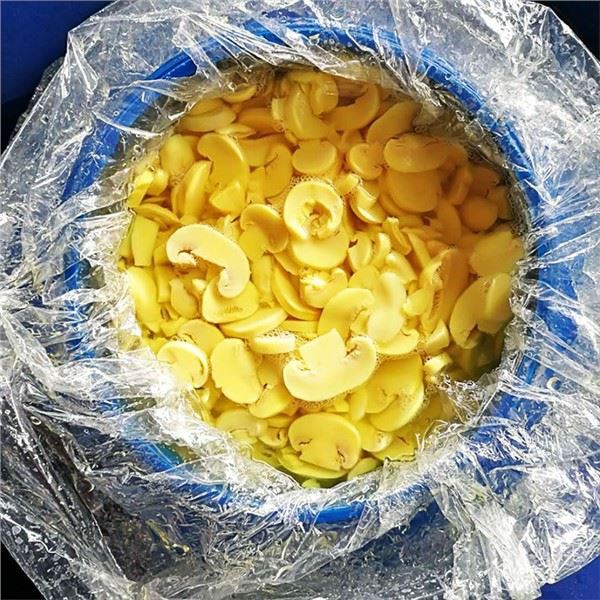
As a supplier of Fresh Raw Garlic in Brine, I often get asked a variety of questions about the product. One of the most interesting queries I've received is whether it's possible to make fresh raw garlic in brine with lemon juice. In this blog post, I'll explore this topic in detail, drawing on scientific knowledge and my own experience in the industry.
The Basics of Making Garlic in Brine
Before delving into the addition of lemon juice, let's first understand the fundamentals of making fresh raw garlic in brine. Brining is a preservation method that involves submerging food in a salt - water solution. For garlic, the brine not only helps to preserve the garlic but also imparts a unique flavor.


The typical brine for garlic consists of water and salt. The salt concentration usually ranges from 5% to 10%. A lower salt concentration may not effectively preserve the garlic, while a higher concentration can make the garlic too salty. When garlic is placed in the brine, the salt penetrates the garlic cloves, inhibiting the growth of spoilage - causing microorganisms such as bacteria and fungi.
The process starts with selecting fresh, high - quality garlic bulbs. The outer skins are removed, and the cloves are separated. These cloves are then placed in a clean container, and the prepared brine is poured over them. The container is sealed, and the garlic is left to ferment in the brine for a period of time, usually a few days to a couple of weeks. During this fermentation process, lactic acid bacteria may start to grow, further contributing to the preservation and flavor development of the garlic.
Adding Lemon Juice to the Brine
Now, let's consider the addition of lemon juice. Lemon juice is acidic, with a pH typically around 2 - 3. This acidity can have several effects when added to the garlic brine.
Preservation
The acidic environment created by lemon juice can enhance the preservation of the garlic. Microorganisms generally thrive in a neutral to slightly alkaline pH range. By lowering the pH of the brine with lemon juice, we create an environment that is less favorable for their growth. The combination of salt and acid (from lemon juice) can provide a more robust preservation mechanism compared to using salt alone.
Flavor
Lemon juice adds a fresh, citrusy flavor to the garlic. It can cut through the pungency of the garlic and create a more complex and balanced taste. The tartness of the lemon juice can complement the savory and umami flavors of the garlic, making the end - product more appealing to a wider range of palates.
Safety Considerations
However, when adding lemon juice to the brine, it's important to ensure that the overall pH of the brine remains within a safe range. A pH below 4.6 is generally considered safe for preventing the growth of Clostridium botulinum, a bacterium that can produce a deadly toxin. If the pH is not low enough, there is a risk of botulinum toxin formation, especially in an anaerobic (oxygen - free) environment such as a sealed container.
To make a garlic brine with lemon juice, you can start with a basic brine recipe. For example, you can use 1 liter of water, 50 grams of salt, and 100 milliliters of lemon juice. The lemon juice should be freshly squeezed for the best flavor and quality. The garlic cloves are placed in the container, and the brine (with lemon juice) is poured over them. Make sure the cloves are completely submerged.
Our Product Offerings
At our company, we primarily focus on Fresh Raw Garlic in Brine. We take great care in selecting the freshest garlic and using the right brine recipe to ensure optimal preservation and flavor. While we don't currently offer a garlic - in - brine product with lemon juice, we understand the potential appeal of such a product.
We also offer Salted Garlic in 50kg Drums and Garlic in Brine in 25kg Drum. These large - volume options are suitable for commercial users such as restaurants, food manufacturers, and wholesalers.
The Making Process with Lemon Juice in Practice
If you decide to make fresh raw garlic in brine with lemon juice at home or on a small - scale, here is a step - by - step guide:
Ingredients
- 1 pound of fresh garlic bulbs
- 1 liter of water
- 50 grams of salt
- 100 milliliters of freshly squeezed lemon juice
- A clean, air - tight container
Steps
- Peel the garlic bulbs and separate the cloves. Remove any damaged or discolored cloves.
- In a pot, bring the water to a boil. Add the salt and stir until it is completely dissolved. Let the brine cool to room temperature.
- Once the brine is cool, add the lemon juice and stir well.
- Place the garlic cloves in the clean container. Pour the brine (with lemon juice) over the cloves, ensuring that all the cloves are submerged.
- Seal the container tightly. You can store the container at room temperature for the first few days to start the fermentation process. After a few days, you can transfer it to the refrigerator to slow down the fermentation and extend the shelf - life.
Conclusion
In conclusion, it is indeed possible to make fresh raw garlic in brine with lemon juice. The addition of lemon juice can enhance both the preservation and flavor of the garlic. However, it's crucial to pay attention to the pH of the brine to ensure safety.
If you're interested in purchasing our Fresh Raw Garlic in Brine, Salted Garlic in 50kg Drums, or Garlic in Brine in 25kg Drum, we encourage you to contact us for a procurement discussion. We are always happy to work with you to meet your specific needs and requirements.
References
- Jay, J. M., Loessner, M. J., & Golden, D. A. (2005). Modern Food Microbiology. Aspen Publishers.
- Sizer, F. S., & Whitney, E. N. (2013). Nutrition: Concepts and Controversies. Cengage Learning.