
As a seasoned supplier of salted mushrooms, I've witnessed firsthand the intricate dance between these delectable fungi and environmental factors. One question that frequently arises, both from curious consumers and fellow industry professionals, is whether salted mushrooms are affected by temperature changes. In this blog post, I'll delve into the scientific aspects of this phenomenon, drawing on my years of experience and industry knowledge.
The Basics of Salted Mushrooms
Before we explore the impact of temperature, let's briefly understand what salted mushrooms are and how they're made. Salted mushrooms are typically prepared by immersing fresh mushrooms in a brine solution, which consists of water and salt. This process not only enhances the flavor of the mushrooms but also acts as a natural preservative, extending their shelf life.
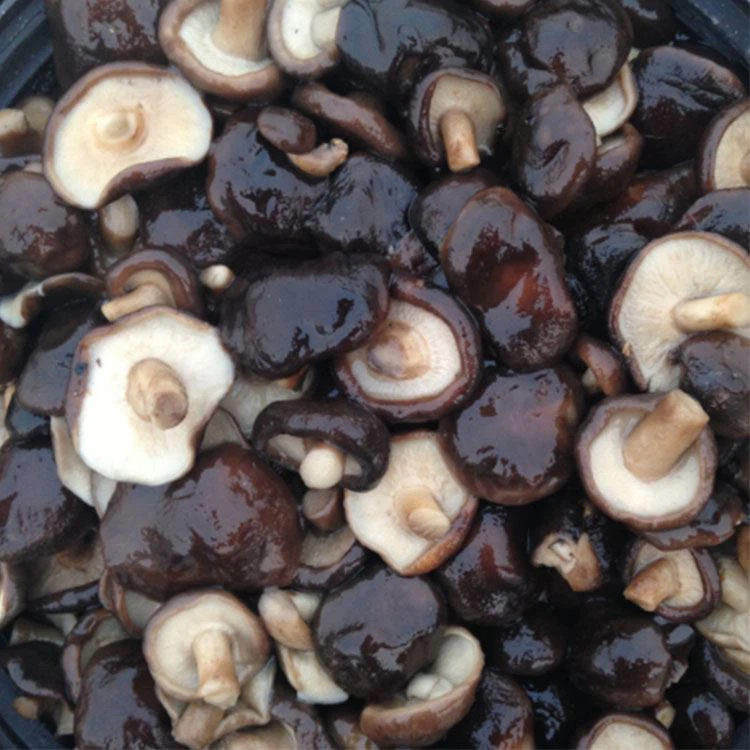
There are various types of salted mushrooms available in the market, each with its unique taste and texture. For instance, Mushroom Sliced In Brine To Brazil is a popular choice, known for its convenience and versatility in cooking. Similarly, Sliced Mushroom in Brine and Shiitake Mushroom in Brine offer distinct flavors that cater to different culinary preferences.

Temperature and Microbial Activity
One of the primary ways temperature affects salted mushrooms is through its influence on microbial activity. Microorganisms, such as bacteria, yeasts, and molds, are present in the environment and can contaminate mushrooms during the harvesting, processing, or storage stages. While the salt in the brine helps to inhibit the growth of some microorganisms, temperature plays a crucial role in determining the rate of microbial growth.
At lower temperatures, microbial activity slows down significantly. This is why refrigeration is often recommended for storing salted mushrooms. When stored at temperatures between 0°C and 4°C (32°F and 39°F), the growth of most spoilage microorganisms is effectively suppressed. This not only helps to maintain the quality and safety of the mushrooms but also extends their shelf life.
On the other hand, higher temperatures can accelerate microbial growth. When salted mushrooms are exposed to temperatures above 20°C (68°F), the rate of microbial metabolism increases, leading to a faster deterioration of the product. This can result in changes in texture, flavor, and odor, as well as the growth of harmful bacteria that can pose a health risk to consumers.
Chemical Reactions and Nutritional Value
Temperature changes can also trigger various chemical reactions in salted mushrooms, which can affect their nutritional value and overall quality. For example, enzymes present in the mushrooms can be activated or deactivated by temperature, leading to changes in the breakdown of proteins, carbohydrates, and fats.
At higher temperatures, enzymatic reactions can occur more rapidly, leading to the degradation of nutrients and the formation of off-flavors and odors. For instance, the Maillard reaction, which is responsible for the browning and flavor development in many foods, can occur more readily at elevated temperatures. While this reaction can enhance the flavor of some foods, it can also lead to the loss of certain nutrients and the formation of potentially harmful compounds in salted mushrooms.
Conversely, lower temperatures can slow down these chemical reactions, helping to preserve the nutritional value and quality of the mushrooms. By storing salted mushrooms at the appropriate temperature, we can minimize the loss of nutrients and ensure that the product retains its flavor and texture for a longer period.
Physical Changes
In addition to microbial activity and chemical reactions, temperature changes can also cause physical changes in salted mushrooms. For example, extreme temperature fluctuations can lead to the expansion and contraction of the mushroom cells, which can result in changes in texture and appearance.
When salted mushrooms are exposed to freezing temperatures, the water inside the cells can freeze and expand, causing the cell walls to rupture. This can lead to a loss of texture and a mushy consistency when the mushrooms are thawed. On the other hand, exposure to high temperatures can cause the mushrooms to dry out and become tough, as the water evaporates from the cells.
To prevent these physical changes, it's important to store salted mushrooms at a stable temperature and avoid exposing them to extreme temperature fluctuations. This can help to maintain the integrity of the mushroom cells and ensure that the product retains its desired texture and appearance.
Practical Considerations for Suppliers
As a salted mushroom supplier, it's essential to take temperature into account throughout the supply chain. From the harvesting and processing stages to transportation and storage, maintaining the appropriate temperature is crucial for ensuring the quality and safety of the product.
During harvesting, mushrooms should be cooled as quickly as possible to reduce the risk of microbial growth. This can be achieved by using refrigerated trucks or storage facilities to transport the mushrooms from the farm to the processing plant.
In the processing plant, strict temperature control measures should be implemented to ensure that the brine solution and the mushrooms are maintained at the appropriate temperature during the salting process. This can help to ensure that the salt is evenly distributed throughout the mushrooms and that the product is properly preserved.
During transportation, it's important to use insulated containers and refrigerated trucks to maintain the temperature of the salted mushrooms. This can help to prevent temperature fluctuations and ensure that the product arrives at its destination in good condition.
Finally, in storage, salted mushrooms should be stored in a cool, dry place at the recommended temperature. This can help to extend their shelf life and ensure that they remain fresh and flavorful for as long as possible.
Conclusion
In conclusion, temperature changes can have a significant impact on salted mushrooms, affecting their microbial activity, chemical reactions, physical properties, and overall quality. By understanding the relationship between temperature and salted mushrooms, suppliers can take the necessary steps to ensure that the product is stored and transported at the appropriate temperature, thereby maintaining its quality and safety.
If you're interested in purchasing high-quality salted mushrooms, I invite you to reach out to me for more information. Whether you're a restaurant owner, a food distributor, or a home cook, I'm confident that I can provide you with the perfect salted mushrooms to meet your needs. Let's start a conversation and explore the possibilities of working together!
References
- "Microbiology of Food Preservation." Food Microbiology: Fundamentals and Frontiers, 4th ed., edited by Michael P. Doyle and Linda R. Beuchat, ASM Press, 2013.
- "The Maillard Reaction in Food and Medicine." Advances in Food and Nutrition Research, vol. 60, edited by Ronald J. Clarke and Peter A. Finot, Academic Press, 2010.
- "Temperature and Food Quality." Food Quality and Safety: Science and Technology, edited by Y.H. Hui, Wiley-Blackwell, 2008.