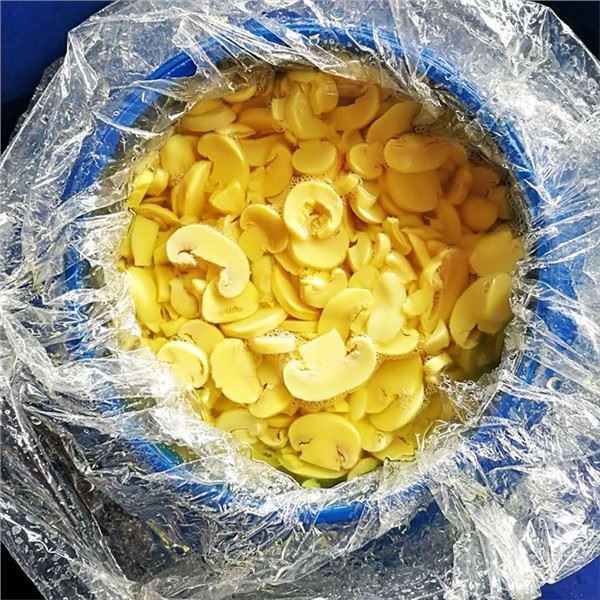

Hey there! As a supplier of whole mushrooms in brine, I often get asked about the health risks associated with chowing down on these tasty treats. So, I thought I'd take a deep dive into the topic and share what I've found.
First off, let's talk about what whole mushrooms in brine actually are. These are mushrooms that have been preserved in a solution of water, salt, and sometimes other additives like vinegar or citric acid. This process helps to extend their shelf life and give them that tangy, pickled flavor that so many people love.
Now, onto the big question: are there any health risks? Well, in general, whole mushrooms in brine are safe to eat. Mushrooms are a great source of vitamins, minerals, and antioxidants, and the brining process doesn't significantly reduce their nutritional value. However, there are a few things to keep in mind.
One potential concern is the high sodium content. Brine is basically saltwater, so mushrooms in brine can be pretty salty. Consuming too much sodium can lead to high blood pressure, which is a risk factor for heart disease and stroke. If you're watching your sodium intake, it's a good idea to rinse the mushrooms thoroughly before eating them to reduce the salt content.
Another thing to consider is the presence of additives. Some brines may contain preservatives, flavor enhancers, or other chemicals. While these additives are generally recognized as safe by the FDA, some people may be sensitive or allergic to them. If you have any food sensitivities or allergies, it's important to read the label carefully and avoid products that contain ingredients that you're allergic to.
There's also the issue of mold and bacteria. While the brining process helps to prevent the growth of mold and bacteria, it's not foolproof. If the mushrooms are not properly stored or if the brine is contaminated, there's a risk of foodborne illness. To minimize this risk, make sure to store the mushrooms in the refrigerator and check the expiration date before eating them. If you notice any signs of mold or spoilage, like a strange odor or slimy texture, it's best to throw the mushrooms away.
Now, let's talk about the benefits of eating whole mushrooms in brine. Despite the potential risks, there are also some health benefits to consuming mushrooms. Mushrooms are low in calories and high in fiber, which can help you feel full and satisfied. They're also a good source of B vitamins, potassium, and selenium, which are important for maintaining a healthy immune system and preventing chronic diseases.
In addition, mushrooms contain compounds called polysaccharides, which have been shown to have anti-inflammatory and immune-boosting properties. These compounds may help to reduce the risk of cancer, heart disease, and other chronic illnesses.
So, what's the bottom line? Are whole mushrooms in brine safe to eat? The answer is yes, as long as you take a few precautions. Rinse the mushrooms to reduce the sodium content, read the label to avoid additives that you're allergic to, and store the mushrooms properly to prevent the growth of mold and bacteria.
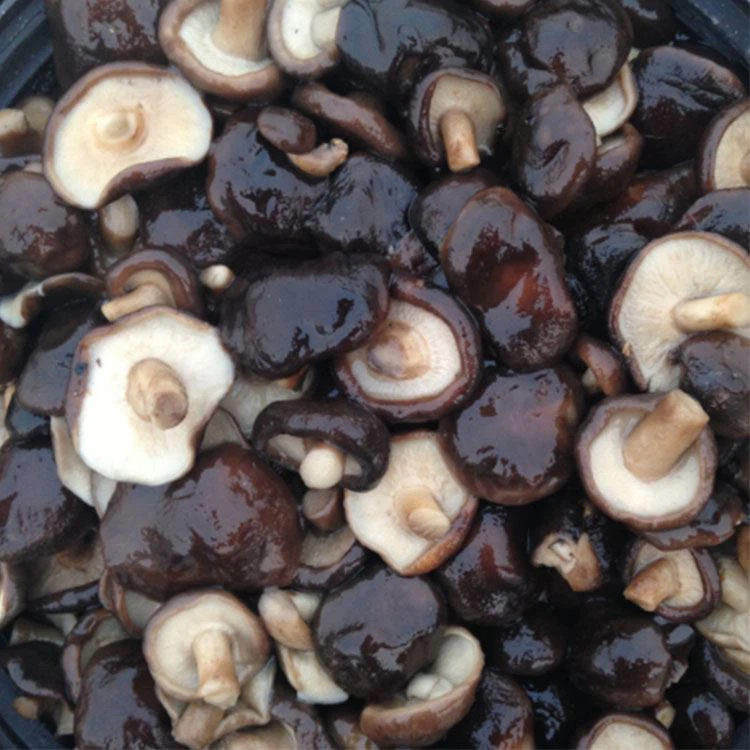
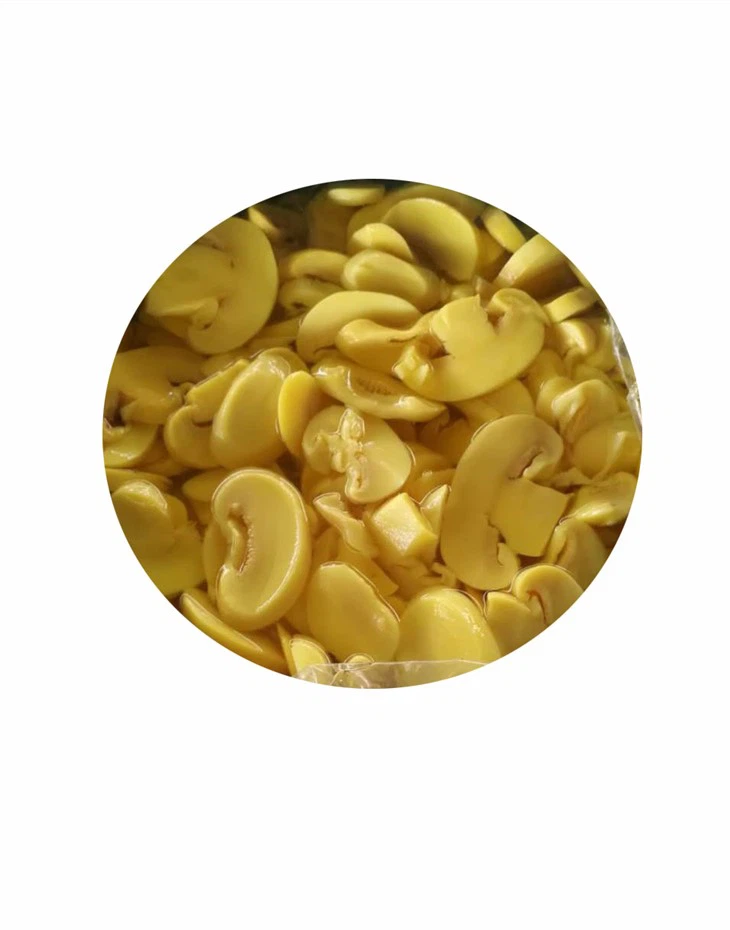
If you're interested in trying our whole mushrooms in brine, we have a variety of options available. Check out our Mushroom Agaricus Bisporus in Birne, Mushroom Sliced In Brine To Brazil, and Shiitake Mushroom in Brine. Our mushrooms are carefully selected and brined to ensure the highest quality and flavor.
If you're a restaurant owner, food distributor, or anyone else interested in purchasing our products, we'd love to hear from you. We offer competitive prices, high-quality products, and excellent customer service. Contact us today to discuss your needs and start a partnership.
References:
- American Heart Association. Sodium and Your Health. https://www.heart.org/en/health-topics/high-blood-pressure/changes-you-can-make-to-manage-high-blood-pressure/sodium-and-your-health
- Food and Drug Administration. Food Additives. https://www.fda.gov/food/food-additives-petitions/food-additives
- Centers for Disease Control and Prevention. Foodborne Illnesses. https://www.cdc.gov/foodsafety/index.html