
Can fresh garlic lower blood pressure? This is a question that has intrigued both health - conscious individuals and medical researchers alike. As a supplier of high - quality fresh garlic, I've witnessed a growing interest in the potential health benefits of this humble bulb, especially its purported ability to regulate blood pressure.
The Science Behind Garlic and Blood Pressure
To understand how fresh garlic might impact blood pressure, we need to look at its biochemical composition. Garlic is rich in a compound called allicin. When garlic is crushed or chopped, an enzyme called alliinase converts alliin into allicin. Allicin is not only responsible for garlic's pungent smell but also for many of its health - promoting properties.
Numerous studies have explored the relationship between garlic and blood pressure. A meta - analysis of several clinical trials found that garlic supplementation can lead to a modest reduction in both systolic and diastolic blood pressure. Systolic blood pressure is the pressure in your arteries when your heart beats, while diastolic blood pressure is the pressure when your heart is at rest between beats.
The way allicin may work to lower blood pressure is through its vasodilatory effects. Vasodilation is the widening of blood vessels. When blood vessels dilate, blood can flow more easily, which in turn reduces the pressure on the vessel walls. Allicin may stimulate the production of nitric oxide in the body. Nitric oxide is a powerful vasodilator that helps relax the smooth muscles in the blood vessel walls, leading to lower blood pressure.
Another possible mechanism is related to garlic's antioxidant properties. Oxidative stress can damage blood vessels and contribute to high blood pressure. Garlic contains antioxidants such as flavonoids and sulfur - containing compounds that can neutralize free radicals and reduce oxidative stress. By protecting the blood vessels from damage, garlic may help maintain normal blood pressure levels.
Real - World Evidence
Beyond the laboratory studies, there are real - world examples of the benefits of fresh garlic for blood pressure. In some cultures where garlic is a staple in the diet, the incidence of high blood pressure is relatively low. For instance, in Mediterranean countries, where garlic is used liberally in cooking, the prevalence of hypertension is lower compared to some Western countries with a less garlic - rich diet.
Many individuals who have incorporated fresh garlic into their daily diet have reported improvements in their blood pressure readings. Some people add fresh garlic to their salads, soups, or stir - fries. Others even consume a clove of garlic raw in the morning on an empty stomach, believing that it gives the maximum health benefits.
Our Fresh Garlic Offerings
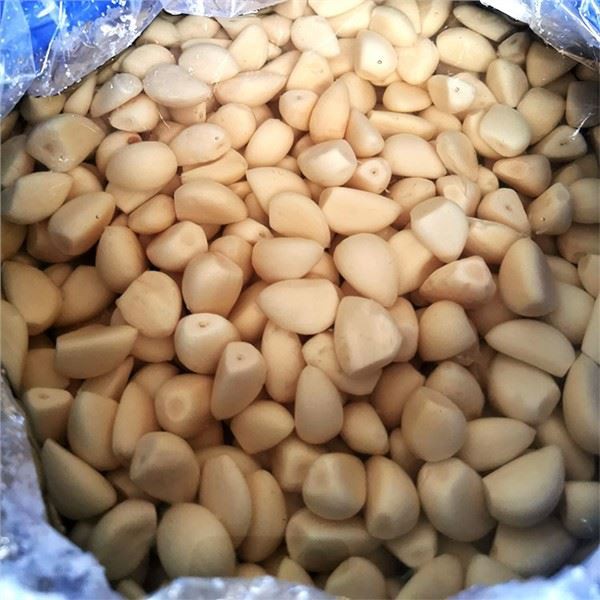
As a fresh garlic supplier, we take pride in offering the highest - quality garlic products. Our Fresh Natural Pure White Garlic is sourced from the best farms. The garlic is carefully harvested at the right time to ensure maximum flavor and nutritional value. It has a clean, pure taste and is free from any pesticides or harmful chemicals.
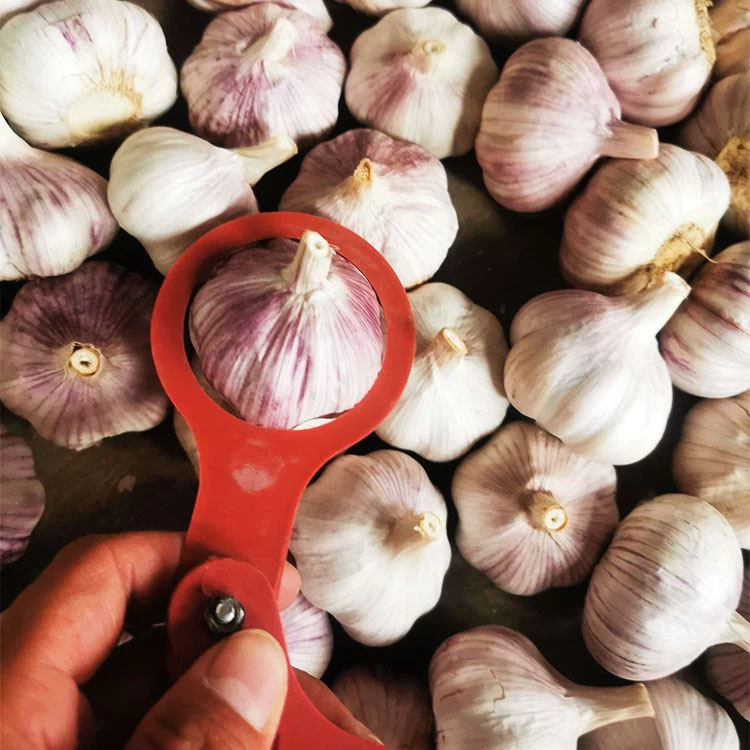
Our Purely White Fresh Garlic is another popular choice. It has a beautiful white color and a strong, pungent flavor. This type of garlic is perfect for those who want to add a bold garlic taste to their dishes. Whether you're making a classic Italian pasta sauce or a spicy Asian curry, our purely white fresh garlic will enhance the flavor and may also contribute to better blood pressure control.

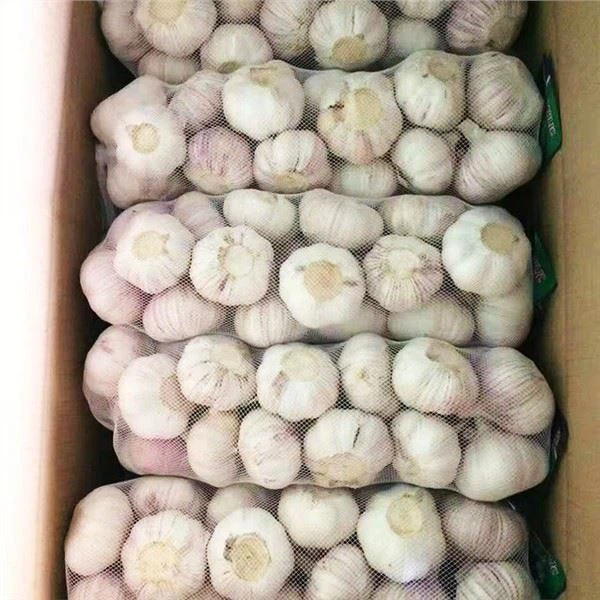
For those who need garlic in larger quantities, our Fresh Garlic in Carton is an ideal option. The garlic is packed in cartons to ensure freshness during transportation and storage. It's suitable for restaurants, food manufacturers, and bulk buyers.
Incorporating Fresh Garlic into Your Diet
If you're interested in using fresh garlic to potentially lower your blood pressure, there are many ways to incorporate it into your diet. Here are some simple and delicious ideas:
- Garlic Butter: Mash fresh garlic cloves with softened butter. You can use this garlic butter to spread on bread, top grilled meats, or add to pasta.
- Garlic - Infused Oil: Heat olive oil in a pan and add crushed garlic cloves. Let the garlic infuse the oil for a few minutes, then strain the oil. Use this garlic - infused oil for cooking or as a dressing for salads.
- Garlic Soup: Make a simple garlic soup by sautéing garlic in a pot, adding chicken or vegetable broth, and simmering for a while. You can also add some vegetables like carrots and onions for extra flavor.
Conclusion
While more research is needed to fully understand the extent of fresh garlic's ability to lower blood pressure, the existing evidence is promising. The biochemical properties of garlic, such as allicin and antioxidants, suggest that it can have a positive impact on blood vessel health and blood pressure regulation.
If you're looking to improve your cardiovascular health or simply add more flavor to your meals, our fresh garlic products are a great choice. Whether you're an individual consumer, a restaurant owner, or a food manufacturer, we can provide you with high - quality fresh garlic.
If you're interested in purchasing our fresh garlic products, please feel free to reach out for a detailed discussion on your requirements. We're more than happy to assist you in finding the right garlic solution for your needs.
References
- Ried K, Frank OR, Stocks NP, Fakler P. Effect of garlic on blood pressure: a systematic review and meta - analysis. BMC Cardiovascular Disorders. 2013;13:42.
- Block E. The chemistry of garlic and onions. Scientific American. 1985;252(3):114 - 123.
- Knekt P, Järvinen R, Reunanen A, Maatela J. Garlic and the risk of cancer and cardiovascular disease. Epidemiology. 1996;7(3):217 - 223.