
Can I reuse the bottles after growing mushrooms?
As a supplier of Mushroom In Bottles, I often get asked this question by our customers. The short answer is yes, you can reuse the bottles after growing mushrooms, but there are several important factors to consider to ensure the success of subsequent mushroom growth and maintain the quality of the mushrooms.
Understanding the Mushroom Growth Process in Bottles
Before delving into bottle reuse, it's essential to understand how mushrooms are grown in bottles. We typically start by filling the bottles with a suitable growing substrate, which could be a mixture of sawdust, straw, or other organic materials. The substrate is then sterilized to eliminate any competing organisms. After that, mushroom spawn is introduced into the substrate, and the bottles are placed in a controlled environment with the right temperature, humidity, and light conditions for the mushrooms to grow.
Once the mushrooms reach maturity, they are harvested, leaving behind the spent substrate in the bottles. This spent substrate is a key factor when considering bottle reuse.
Advantages of Reusing Bottles
Reusing bottles has several benefits. Firstly, it is an environmentally friendly practice. By reusing the bottles, we reduce the amount of waste generated from mushroom cultivation. This aligns with the growing global trend towards sustainable agriculture and reduces our carbon footprint.
Secondly, it can be cost - effective. Buying new bottles for each mushroom growing cycle can add up to significant costs. Reusing existing bottles can save money on packaging materials, which can be redirected towards other aspects of the business, such as improving the quality of the substrate or investing in better growing equipment.
Steps for Reusing Bottles
- Cleaning the Bottles
The first step in reusing the bottles is to thoroughly clean them. After harvesting the mushrooms, remove all the spent substrate from the bottles. You can use a brush or a scraper to get rid of any stubborn bits. Then, wash the bottles with hot, soapy water. This will help to remove any remaining organic matter and dirt. Rinse the bottles several times to ensure that all the soap is removed. - Sterilization
Even after cleaning, the bottles may still harbor some microorganisms that could potentially contaminate the new mushroom growth. Therefore, sterilization is crucial. There are several methods of sterilization. One common method is to use a pressure cooker. Place the clean bottles in the pressure cooker and steam them at a high pressure for a specified period, usually around 30 minutes to an hour, depending on the size of the bottles. Another option is to use a chemical sterilant, such as bleach. However, make sure to rinse the bottles thoroughly after using a chemical sterilant to avoid any residue that could harm the mushrooms. - Inspecting the Bottles
Before refilling the bottles with new substrate, carefully inspect them for any cracks or damage. Damaged bottles may not be suitable for reuse as they can allow contaminants to enter and may also not hold the substrate properly. If you find any damaged bottles, it's best to discard them and replace them with new ones.
Potential Challenges in Reusing Bottles
While reusing bottles has its advantages, there are also some potential challenges. One of the main challenges is the risk of contamination. Even with thorough cleaning and sterilization, there is still a small chance that some harmful microorganisms may survive and infect the new mushroom crop. This can lead to reduced yields or even the complete failure of the crop.
Another challenge is that the bottles may experience wear and tear over time. Repeated cleaning and sterilization can cause the bottles to become brittle or develop scratches, which can affect their structural integrity. This may require more frequent replacement of the bottles in the long run.
Alternatives to Reusing Bottles
If you find that reusing bottles is too challenging or not cost - effective for your specific situation, there are alternatives. One option is to use biodegradable containers. These containers are made from natural materials that break down over time, reducing waste without the need for reuse. Another option is to use reusable plastic bags instead of bottles. Plastic bags are lightweight, easy to handle, and can also be sterilized for reuse.
Our Product Range and Reusability
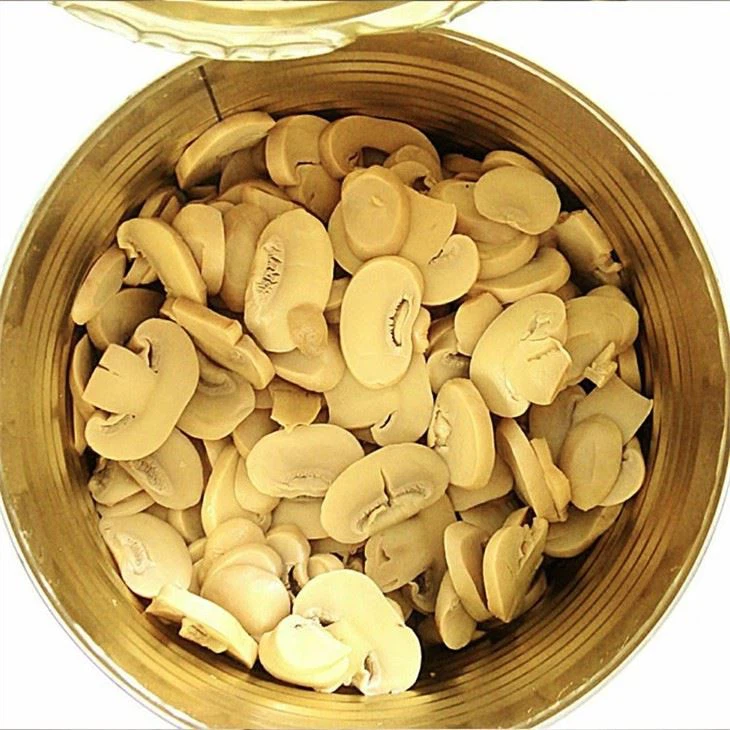
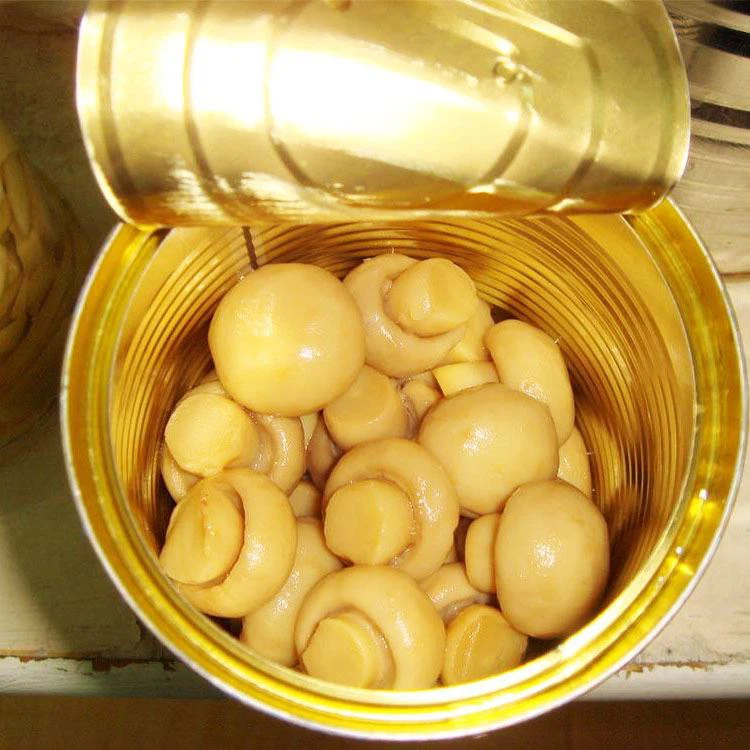
At our company, we offer a variety of mushroom products, including Canned Mushroom Whole, Canned Mushroom PNS, and Canned Marinated Button Mushrooms. The bottles used for our Mushroom In Bottles products are designed to be reusable. We believe in providing our customers with not only high - quality mushrooms but also sustainable packaging solutions.
Contact for Procurement
If you are interested in our Mushroom In Bottles products or have any questions about bottle reuse or our other canned mushroom products, we encourage you to contact us for procurement and further discussion. We are always happy to assist you in finding the best mushroom solutions for your needs.
References
- Chang, S. T., & Miles, P. G. (2004). Mushrooms: cultivation, nutritional value, medicinal effect, and environmental impact. CRC press.
- Stamets, P. (2005). Mycelium running: how mushrooms can help save the world. Ten Speed Press.