
Can I use garlic in brine for pickling other vegetables?
As a supplier of garlic in brine, I often get asked this question. The answer is a resounding yes! Garlic in brine can be a wonderful addition to your pickling endeavors, offering a unique flavor profile and a host of benefits. In this blog post, I'll explore the reasons why you should consider using garlic in brine for pickling other vegetables, how to do it, and some tips for a successful pickling experience.
Why Use Garlic in Brine for Pickling?
Flavor Enhancement
Garlic is a flavor powerhouse. Its pungent and slightly sweet taste can transform the flavor of pickled vegetables, adding depth and complexity. When used in brine, the garlic infuses its flavor into the surrounding liquid, which in turn penetrates the vegetables during the pickling process. This results in pickled vegetables that are not only tangy but also have a rich, garlicky undertone.
Antimicrobial Properties
Garlic contains compounds such as allicin, which have natural antimicrobial properties. These properties can help inhibit the growth of harmful bacteria in the pickling brine, extending the shelf life of your pickled vegetables. This means you can enjoy your pickled creations for longer without worrying about spoilage.
Nutritional Value
Garlic is packed with nutrients like vitamin C, vitamin B6, manganese, and selenium. When you use garlic in brine for pickling, some of these nutrients are transferred to the pickled vegetables, adding a nutritional boost to your snack or meal.
Types of Garlic in Brine Available
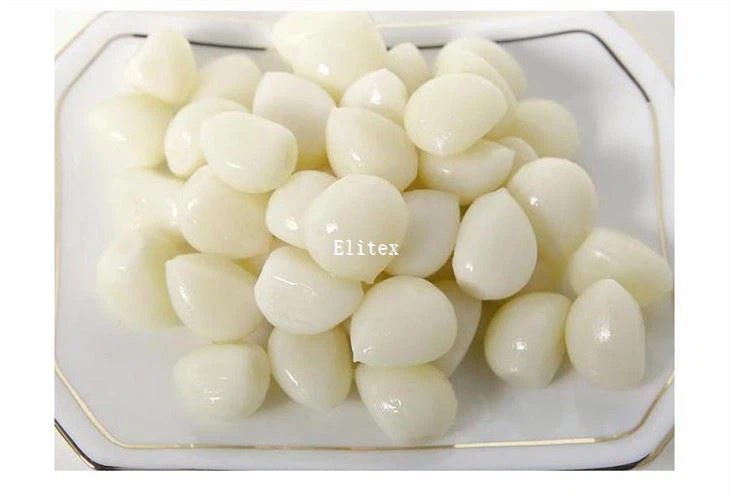
At our supply, we offer a variety of garlic in brine products, each with its own unique characteristics. You can explore our Salted Garlic Peeled Garlic Cloves In Brine, which comes pre - peeled and salted, making it convenient for pickling. Our Peeled Garlic in Brine in Drum is ideal for larger - scale pickling projects, providing a bulk quantity of peeled garlic in brine. And for those who prefer individual cloves, our Peeled Garlic Cloves in Brine is a great option.
How to Use Garlic in Brine for Pickling Other Vegetables
Step 1: Choose Your Vegetables
The first step is to select the vegetables you want to pickle. Popular choices include cucumbers, carrots, peppers, and green beans. Make sure the vegetables are fresh, firm, and free from any signs of spoilage.
Step 2: Prepare the Vegetables
Wash the vegetables thoroughly under running water. Trim any ends or stems as needed. You can leave the vegetables whole, slice them, or cut them into spears, depending on your preference.
Step 3: Prepare the Brine
If you're using our garlic in brine, you can use the existing brine as a base. You may need to adjust the seasoning according to your taste. You can add more salt, sugar, vinegar, or spices like mustard seeds, dill, or red pepper flakes. Combine the ingredients in a pot and bring them to a boil, then let it simmer for a few minutes to allow the flavors to meld.
Step 4: Add Garlic and Vegetables to Jars
Sterilize your pickling jars by boiling them in water for a few minutes. Place a few cloves of garlic from the brine at the bottom of each jar. Then, pack the prepared vegetables tightly into the jars, leaving about an inch of headspace at the top.
Step 5: Pour the Brine
Carefully pour the hot brine over the vegetables and garlic in the jars, making sure to cover the vegetables completely. Use a clean utensil to remove any air bubbles from the jars.
Step 6: Seal and Store
Seal the jars tightly with lids. Let the jars cool to room temperature, then store them in the refrigerator. The pickled vegetables will be ready to eat in a few days, but they will continue to develop flavor over time.
Tips for Successful Pickling with Garlic in Brine
Use the Right Ratio
The ratio of garlic to vegetables can affect the final flavor. As a general rule, you can use about 2 - 3 cloves of garlic per cup of vegetables. However, you can adjust this ratio according to your personal taste preferences.
Choose the Right Vinegar
The type of vinegar you use can also impact the flavor of your pickled vegetables. White vinegar is a popular choice as it has a clean, sharp flavor. Apple cider vinegar adds a slightly sweet and fruity note, while rice vinegar is milder and more delicate.
Monitor the Pickling Process
Keep an eye on the pickled vegetables as they develop. Check for any signs of mold or spoilage, such as a cloudy brine or an off - smell. If you notice any issues, discard the pickled vegetables immediately.
Frequently Asked Questions
Can I reuse the garlic in brine?
Yes, you can reuse the garlic in brine for multiple pickling batches. However, the flavor of the garlic may become less intense with each use. You may need to add a few fresh cloves of garlic to the brine for subsequent batches.

How long do pickled vegetables last?
When stored in the refrigerator, pickled vegetables can last for several months. However, the quality and flavor may start to decline after a few weeks.
Can I use garlic in brine for pickling meat?
While garlic in brine can be used to add flavor to meat, pickling meat is a more complex process that requires specific techniques and safety precautions. It's best to consult a reliable recipe or guide if you want to pickle meat with garlic in brine.
Conclusion
Using garlic in brine for pickling other vegetables is a great way to add flavor, extend shelf life, and boost the nutritional value of your pickled creations. Whether you're a seasoned pickler or just starting out, our range of garlic in brine products can help you achieve delicious results. If you're interested in purchasing our garlic in brine for your pickling needs, we invite you to contact us for a detailed discussion on procurement. We're here to provide you with the best products and support to make your pickling projects a success.
References
- "The Science of Pickling" by Food Science Journal
- "Garlic: Its Medicinal and Culinary Uses" by Herbology Press