
As a supplier of mushrooms in brine, I often encounter inquiries about whether these preserved fungi require special handling. In this blog, I'll delve into the topic, exploring the characteristics of mushrooms in brine, the reasons behind any potential special handling needs, and how to manage them effectively.
Understanding Mushrooms in Brine
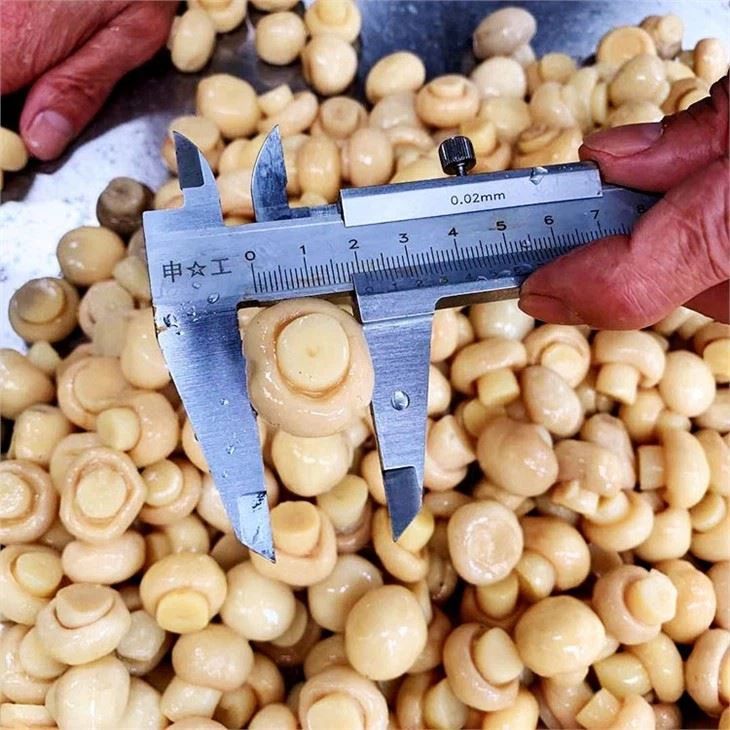
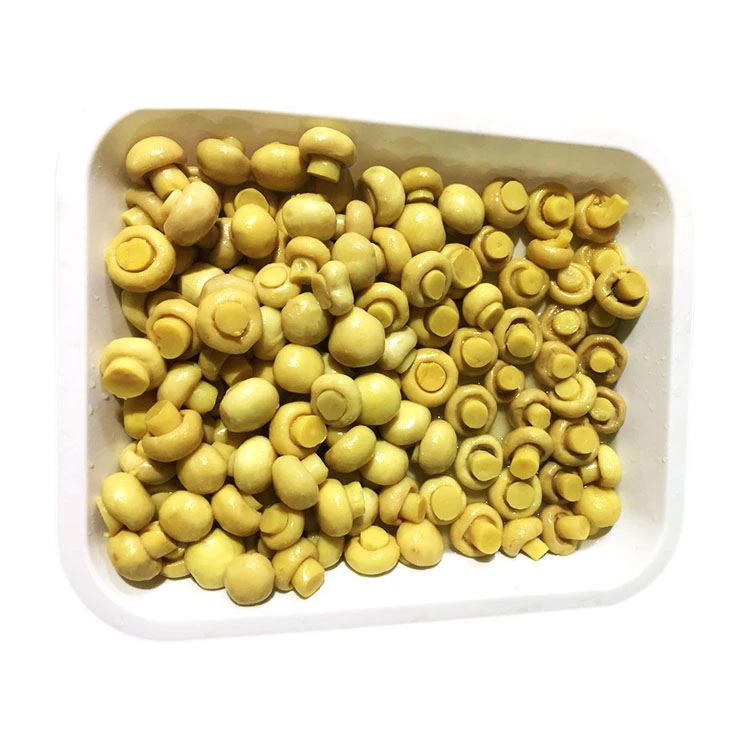
Mushrooms in brine are a popular product, known for their long shelf - life and convenient storage. The brine, a solution of salt and water, acts as a preservative, inhibiting the growth of spoilage organisms. There are various types of mushrooms used in brine, such as champignons and other common mushroom varieties.
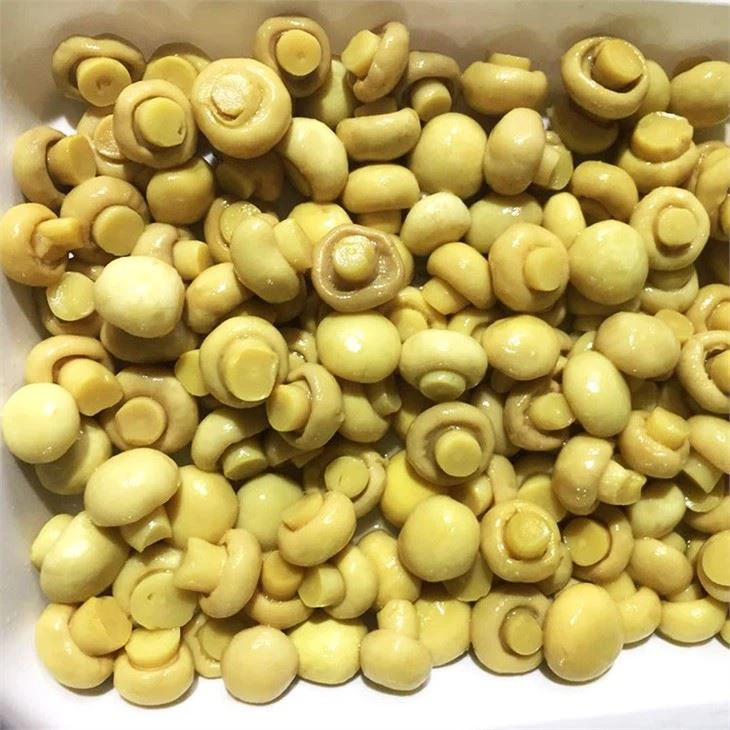
Our company offers a range of products, including Whole Champignon in Brine, Whole Mushroom in Brine, and Sliced Champignon in Brine. These products are widely used in the food industry, from restaurants to home kitchens, for their umami flavor and versatility in cooking.
Special Handling Requirements
Storage Conditions
One of the primary considerations for mushrooms in brine is storage. While the brine helps preserve the mushrooms, proper storage is still crucial to maintain their quality. They should be stored in a cool, dry place, away from direct sunlight. High temperatures can accelerate the breakdown of the brine and the mushrooms themselves, leading to spoilage.
The ideal storage temperature for mushrooms in brine is between 2°C and 8°C. If stored at room temperature for an extended period, the risk of microbial growth increases, even in the presence of brine. For long - term storage, refrigeration is recommended. However, it's important to note that freezing mushrooms in brine is not advisable as the freezing process can damage the texture of the mushrooms, causing them to become mushy when thawed.
Container Integrity
The container in which the mushrooms are packed also plays a significant role in handling. The containers should be airtight to prevent the entry of air and contaminants. Any damage to the container, such as dents, cracks, or leaks, can compromise the integrity of the brine and the mushrooms.
When inspecting the containers, look for signs of swelling or bulging, which could indicate the presence of gas produced by microbial activity. If such signs are observed, the product should not be used as it may be spoiled. Additionally, ensure that the seals on the containers are intact before purchasing or using the mushrooms in brine.
Hygiene during Handling
Hygiene is of utmost importance when handling mushrooms in brine. Before opening the container, wash your hands thoroughly with soap and water. Use clean utensils to remove the mushrooms from the brine to prevent the introduction of bacteria or other contaminants.
If you are not using all the mushrooms at once, make sure to cover the container tightly after use. It's also a good practice to transfer the remaining mushrooms and brine to a clean, airtight container if the original container is difficult to seal properly. This helps maintain the quality of the mushrooms and reduces the risk of spoilage.
Processing and Preparation
Rinsing
Before using mushrooms in brine in cooking, it is often recommended to rinse them. The brine can be quite salty, and rinsing helps reduce the salt content. Place the mushrooms in a colander and rinse them under cold running water for a few minutes. Gently agitate the mushrooms to ensure that all the excess brine is removed.
However, be careful not to over - rinse as this can also wash away some of the flavor. After rinsing, pat the mushrooms dry with a clean kitchen towel or paper towel to remove any remaining water.
Cooking
Mushrooms in brine can be used in a variety of dishes. They can be added directly to soups, stews, and casseroles, where the additional liquid from the brine can contribute to the overall flavor of the dish. When sautéing mushrooms in brine, make sure to drain them well first to prevent excessive splattering in the pan.

If you are using them in a salad or a cold dish, the rinsed mushrooms can be marinated in a dressing to enhance their flavor. The marinating time can vary depending on personal preference, but usually, 30 minutes to an hour is sufficient.
Safety Considerations
Allergies
It's important to be aware of potential allergies. Some people may be allergic to mushrooms, and consuming mushrooms in brine can trigger an allergic reaction. If you are unsure whether you or someone you are cooking for has a mushroom allergy, it's best to consult a medical professional.
Sodium Content
As mentioned earlier, the brine used to preserve the mushrooms is high in salt. For individuals on a low - sodium diet, the high sodium content of mushrooms in brine can be a concern. Rinsing the mushrooms can help reduce the sodium content, but it's still important to be mindful of the amount consumed.
Conclusion
In conclusion, while mushrooms in brine do not require extremely complex handling, there are certain aspects that need attention. Proper storage, container integrity, hygiene during handling, and appropriate processing are all key factors in ensuring the quality and safety of these products.
If you are interested in purchasing our high - quality mushrooms in brine, such as Whole Champignon in Brine, Whole Mushroom in Brine, or Sliced Champignon in Brine, please feel free to contact us for more information and to start a procurement negotiation. We are committed to providing the best products and services to meet your needs.
References
- "Food Preservation Techniques" by John F. Kennedy, published by Food Science Press.
- "Mushroom Handbook: Cultivation, Processing, and Utilization" by Robert A. Beelman, published by Academic Press.
- Various industry standards and guidelines on food safety and storage.