
As a vendor specializing in salted mushrooms, I've received numerous inquiries from customers about the shelf - life of our products. It's a critical question, as it not only impacts the usability of the mushrooms for consumers but also plays a significant role in our business operations, from inventory management to supply chain logistics. In this blog post, I'll delve into the factors that influence the shelf - life of salted mushrooms and provide a detailed analysis of just how long they can last.
The Role of Salting in Preserving Mushrooms
Salting is an age - old preservation method that has been used for centuries to extend the lifespan of various food items, including mushrooms. When mushrooms are salted, the high concentration of salt creates an environment that is inhospitable to many microorganisms. Microbes, such as bacteria, yeasts, and molds, require a certain level of water activity to grow and thrive. Salt works by drawing water out of the mushrooms through a process called osmosis. As the water is removed, the water activity within the mushrooms decreases, making it difficult for these microorganisms to survive and reproduce.
This reduction in microbial growth is the key to the extended shelf - life of salted mushrooms. Without the presence of harmful microorganisms, the mushrooms are less likely to spoil, develop off - flavors, or experience other forms of deterioration. However, the effectiveness of salting in preserving mushrooms depends on several factors, including the type of salt used, the salting process, and the storage conditions.
Types of Salt and Their Impact on Shelf - Life
There are different types of salt that can be used for salting mushrooms, such as table salt, sea salt, and kosher salt. Table salt is highly refined and often contains additives like iodine and anti - caking agents. While it can be effective in preserving mushrooms, the additives may sometimes affect the flavor of the final product. Sea salt, on the other hand, is less processed and contains a variety of minerals, which can impart a unique flavor to the mushrooms. Kosher salt has larger grains and is free of additives, making it a popular choice for many food preservation applications.
The type of salt used can influence the rate at which water is drawn out of the mushrooms and the overall preservation effect. For example, larger - grained salts like kosher salt may take a bit longer to dissolve and penetrate the mushrooms compared to fine - grained table salt. However, once they are fully dissolved, they can create a more evenly distributed salt concentration, leading to better long - term preservation.
The Salting Process
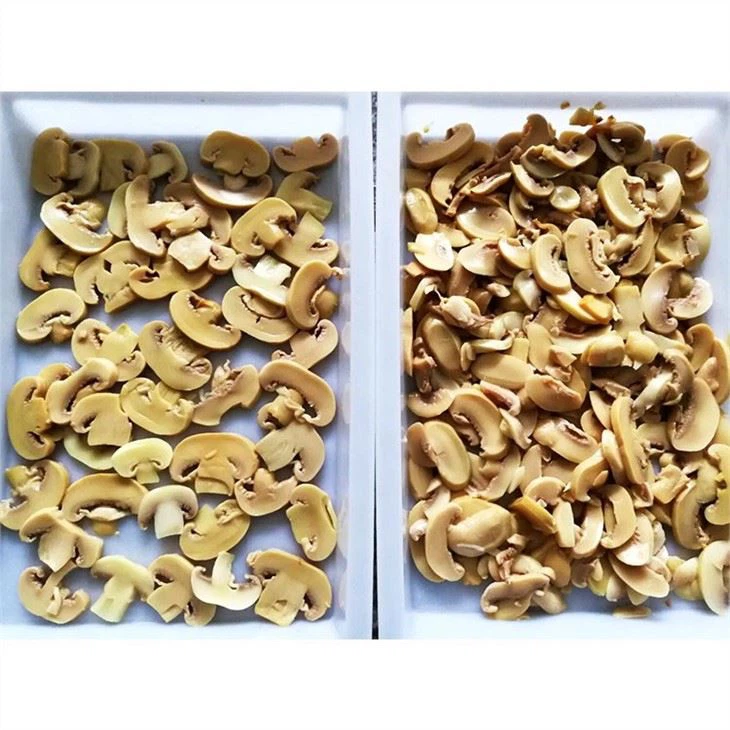
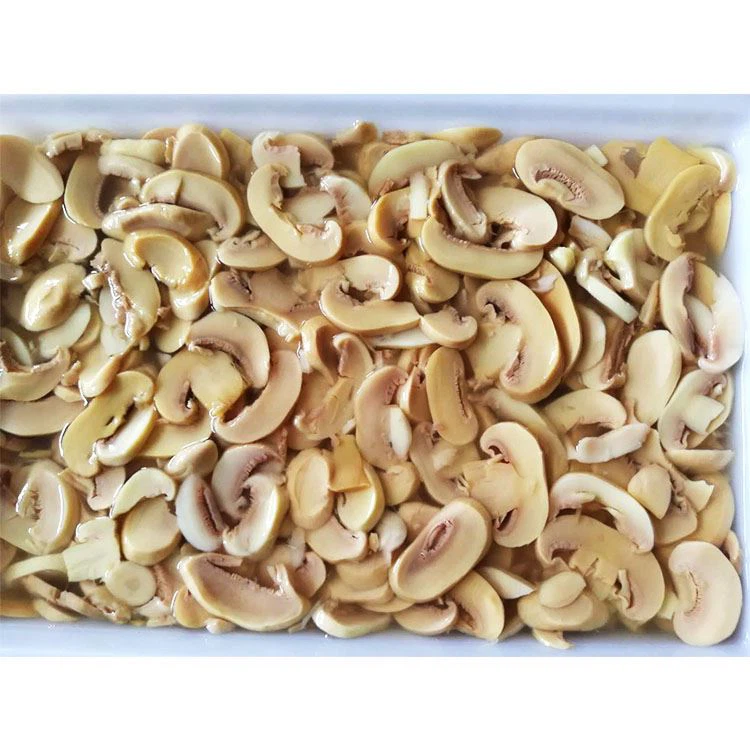
The way we salt our mushrooms also affects their shelf - life. At our company, we follow a meticulous salting process to ensure the best possible preservation. First, we carefully select fresh mushrooms of the highest quality. These mushrooms are then cleaned thoroughly to remove any dirt, debris, or surface contaminants. Next, we either pack the whole mushrooms or slice them, depending on the product requirements.
After that, we immerse the mushrooms in a brine solution, which is a mixture of salt and water. The concentration of the brine is carefully controlled to achieve the optimal salt level for preservation. We typically use a brine with a salt concentration of around 10% - 15%, as this has been found to be effective in inhibiting microbial growth while maintaining the texture and flavor of the mushrooms.
The mushrooms are left in the brine for a specific period to allow the salt to penetrate fully. This curing time can range from a few days to several weeks, depending on the size and type of mushrooms. Once the curing process is complete, the salted mushrooms are ready for packaging.
Packaging and Storage Conditions
The packaging and storage conditions are crucial for determining how long salted mushrooms will last. We offer a variety of packaging options to meet the different needs of our customers. For instance, we have Premium Mushroom Brine In Drum, Champignon Mushroom in Plastic Drum, and Sliced Champignon in Brine.
The drums are made of high - quality materials that prevent air and moisture from entering, which helps to maintain the quality of the salted mushrooms. Plastic drums, in particular, are lightweight, durable, and resistant to corrosion. They also provide a good barrier against oxygen, which can cause oxidation and spoilage of the mushrooms over time.
In terms of storage, salted mushrooms should be kept in a cool, dry place away from direct sunlight. Ideal storage temperatures range from 10°C to 20°C (50°F to 68°F). Higher temperatures can accelerate the growth of any remaining microorganisms and lead to a shorter shelf - life. Additionally, the relative humidity in the storage area should be kept low to prevent the growth of mold on the surface of the mushrooms.
Typical Shelf - Life of Salted Mushrooms
Under optimal storage conditions, our salted mushrooms can have a relatively long shelf - life. Whole salted mushrooms in brine can typically last for up to 12 months or even longer. Sliced salted mushrooms, due to their larger surface area and potentially higher exposure to oxygen, may have a slightly shorter shelf - life, usually around 9 - 10 months.
However, it's important to note that these are just general estimates. The actual shelf - life can vary depending on the factors mentioned above, such as the type of salt, the salting process, and the storage conditions. For example, if the mushrooms are stored at a higher temperature or in a humid environment, their shelf - life may be significantly reduced.
Quality Assurance and Monitoring
To ensure that our customers receive the highest - quality salted mushrooms with the longest possible shelf - life, we have a rigorous quality assurance system in place. We conduct regular inspections of our raw materials, the salting process, and the final products. Our quality control team checks for factors such as salt concentration, moisture content, and the presence of any contaminants.
We also use advanced monitoring techniques to track the quality of our salted mushrooms during storage. This includes periodic sampling and testing to detect any signs of spoilage or deterioration. By closely monitoring the products, we can identify any potential issues early on and take appropriate measures to prevent them from affecting the shelf - life and quality of the mushrooms.
Conclusion
In conclusion, salted mushrooms can have a relatively long shelf - life when they are properly salted, packaged, and stored. The salting process, the type of salt used, the packaging, and the storage conditions all play important roles in determining how long the mushrooms will last. At our company, we are committed to providing our customers with high - quality salted mushrooms that have an extended shelf - life.
If you're interested in purchasing our salted mushrooms, whether it's for restaurants, food processing companies, or personal use, I encourage you to contact us for a detailed discussion on our products, pricing, and availability. We're ready to assist you in finding the best salted mushroom solutions for your needs.
References
- Jay, J. M., Loessner, M. J., & Golden, D. A. (2005). Modern Food Microbiology. Aspen Publishers.
- Fellows, P. J. (2000). Food Processing Technology: Principles and Practices (2nd ed.). CRC Press.