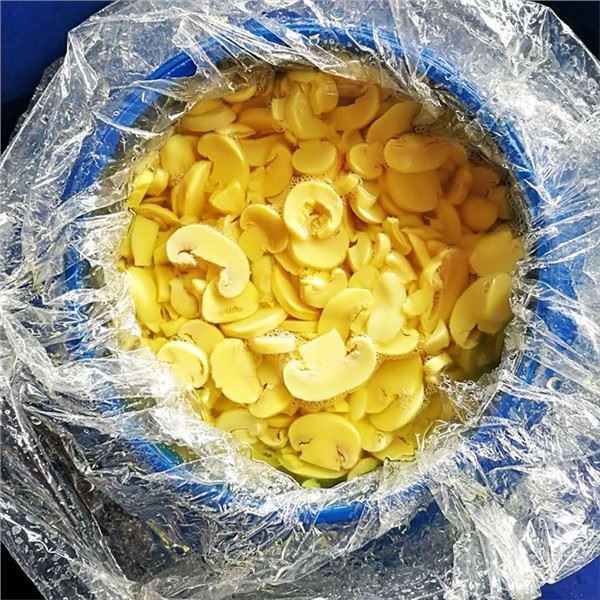

As a supplier of fresh raw garlic in brine, one question I'm frequently asked is whether this preservation method causes the garlic to lose its valuable nutrients. It's a valid concern, especially considering the numerous health benefits associated with garlic. In this blog post, I'll delve into the science behind garlic's nutrients and how brining might affect them.
The Nutritional Powerhouse of Garlic
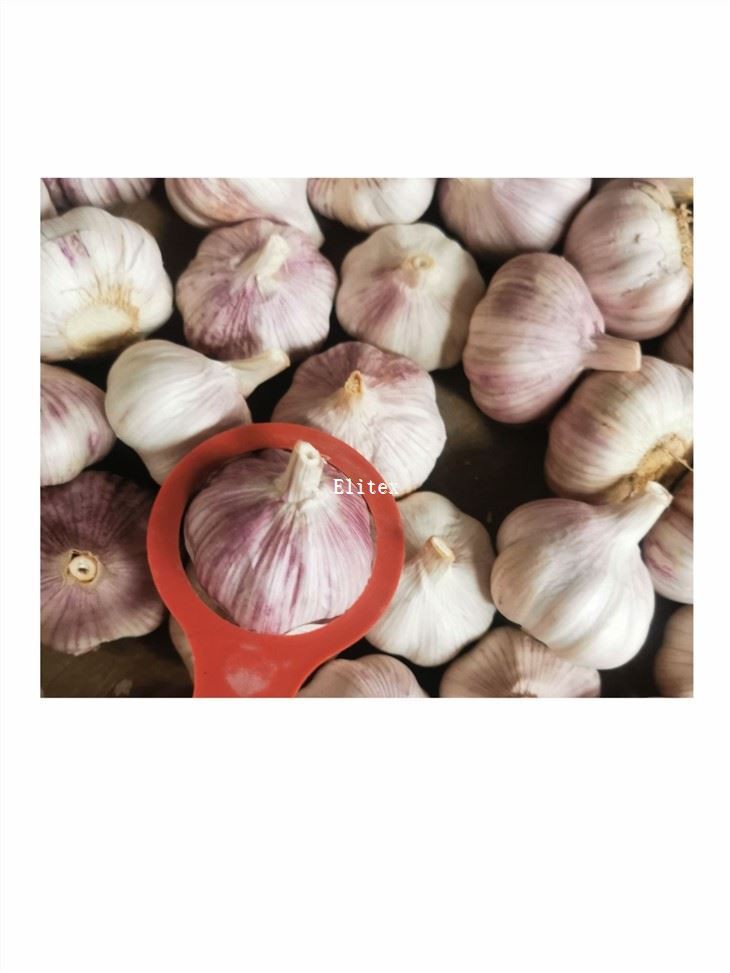
Garlic is renowned for its rich nutritional profile. It contains a variety of vitamins, minerals, and bioactive compounds that contribute to its health - promoting properties. Vitamins such as vitamin C, vitamin B6, and minerals like manganese, selenium, and phosphorus are present in garlic. However, one of the most well - known bioactive compounds in garlic is allicin.
Allicin is formed when garlic is crushed or cut. An enzyme called alliinase acts on alliin, a sulfur - containing compound in garlic, to produce allicin. Allicin is responsible for many of garlic's health benefits, including its antibacterial, antifungal, and antioxidant properties. It has also been linked to cardiovascular health, as it may help lower blood pressure and cholesterol levels.
The Brining Process
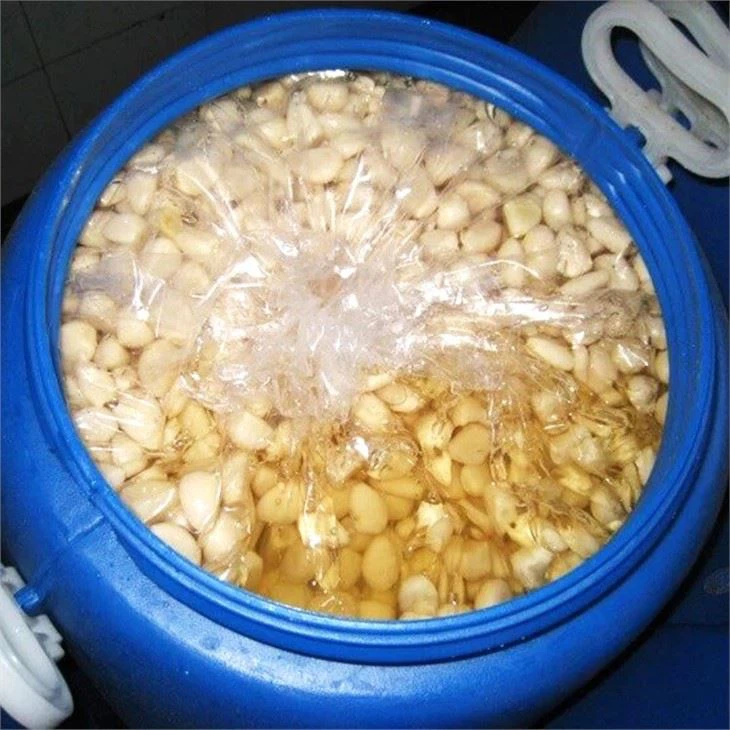
Brining is a traditional method of preserving food that involves submerging the food in a saltwater solution. For fresh raw garlic, the brine typically consists of water, salt, and sometimes other additives like vinegar or spices. The salt in the brine helps to create an environment that inhibits the growth of spoilage microorganisms, thereby extending the shelf - life of the garlic.
When garlic is placed in brine, several things happen. First, the salt in the brine begins to penetrate the garlic cloves. This osmotic process can cause some changes in the physical and chemical properties of the garlic.
Potential Nutrient Loss
Allicin and Enzyme Activity
One of the main concerns regarding nutrient loss in brined garlic is the effect on allicin production. Since allicin is formed by the action of alliinase on alliin, any factor that affects the activity of this enzyme can impact allicin levels.
The high salt concentration in the brine can potentially inhibit the activity of alliinase. Salt can disrupt the structure of proteins, including enzymes, by altering their charge and conformation. As a result, the alliinase enzyme may become less active, leading to a reduced production of allicin. However, it's important to note that some alliin and alliinase may still be present in the garlic even after brining, and allicin can still be formed when the garlic is crushed or chewed.
Water - Soluble Vitamins
Garlic contains water - soluble vitamins such as vitamin C and vitamin B6. These vitamins are more likely to leach out into the brine compared to fat - soluble vitamins. The osmotic process during brining can cause water to move in and out of the garlic cloves, and along with the water, some of the water - soluble vitamins may be lost.
However, the extent of vitamin loss depends on several factors, including the duration of brining, the salt concentration, and the temperature. Shorter brining times and lower salt concentrations may result in less vitamin loss.
Minerals
Minerals in garlic, such as manganese and selenium, are generally less affected by the brining process. These minerals are bound within the cellular structure of the garlic and are not as easily leached out as water - soluble vitamins. However, some minor losses may still occur over time, especially if the garlic is stored in the brine for an extended period.
Studies on Nutrient Retention in Brined Garlic
While there is limited research specifically on fresh raw garlic in brine, studies on other brined foods can provide some insights. For example, a study on pickled vegetables found that the vitamin C content decreased during the pickling process, but the extent of the decrease varied depending on the type of vegetable and the pickling conditions.
In the case of garlic, some research has shown that brined garlic still retains a significant amount of its bioactive compounds. A study published in a food science journal found that brined garlic maintained its antioxidant activity, suggesting that at least some of the beneficial compounds, such as allicin and other antioxidants, were still present.
Benefits of Brined Garlic Despite Potential Losses
Even if there is some nutrient loss during the brining process, brined garlic still offers several advantages.
Extended Shelf - Life
One of the most significant benefits of brining garlic is the extended shelf - life. Fresh raw garlic has a relatively short shelf - life, especially if not stored properly. Brined garlic can last for several months or even years, depending on the storage conditions. This makes it a convenient option for consumers who want to have garlic on hand at all times without worrying about spoilage.
Flavor and Convenience
Brined garlic has a unique flavor that is different from fresh garlic. The salt and other additives in the brine can enhance the flavor of the garlic, making it a great addition to a variety of dishes. It is also more convenient to use, as it is already peeled and ready to be added to recipes.
Our Product Offerings
At our company, we take great care to ensure that our fresh raw garlic in brine retains as many nutrients as possible. We use a carefully formulated brine that balances the need for preservation with the goal of minimizing nutrient loss.
We offer a range of products, including Salted Garlic Cloves In Brine In Drum, White Garlic in Brine in Plastic Drum, and Salted Garlic in 50kg Drums. Our products are sourced from high - quality garlic and are processed using strict quality control measures to ensure the best possible product for our customers.
Conclusion
In conclusion, while there may be some potential nutrient loss when fresh raw garlic is brined, the extent of this loss is not significant enough to completely negate the health benefits of garlic. Brined garlic still retains many of its bioactive compounds and offers the advantages of extended shelf - life and enhanced flavor.
If you're interested in purchasing our fresh raw garlic in brine products, we encourage you to reach out to us for more information and to discuss your specific requirements. Whether you're a restaurant owner, a food manufacturer, or a home cook, our brined garlic can be a great addition to your kitchen.
References
- "The Chemistry of Garlic and Onions" by Eric Block.
- "Food Preservation: Principles and Practices" by Stanley E. Katz and Arnold I. Gooch.
- Research articles on the nutritional composition and preservation of garlic from peer - reviewed food science journals.