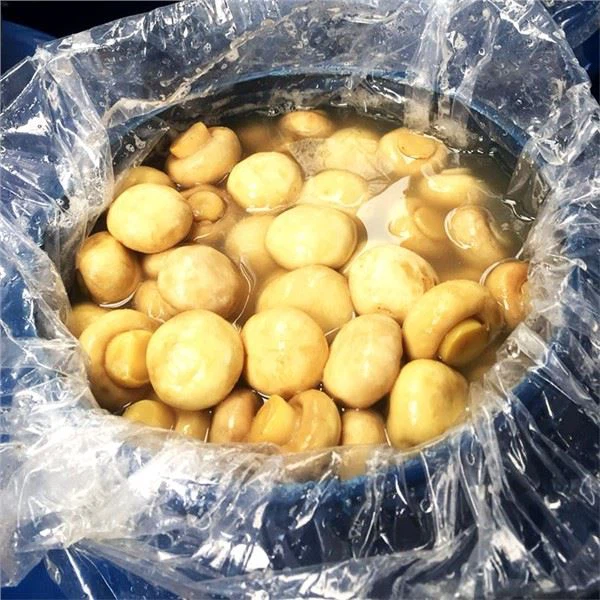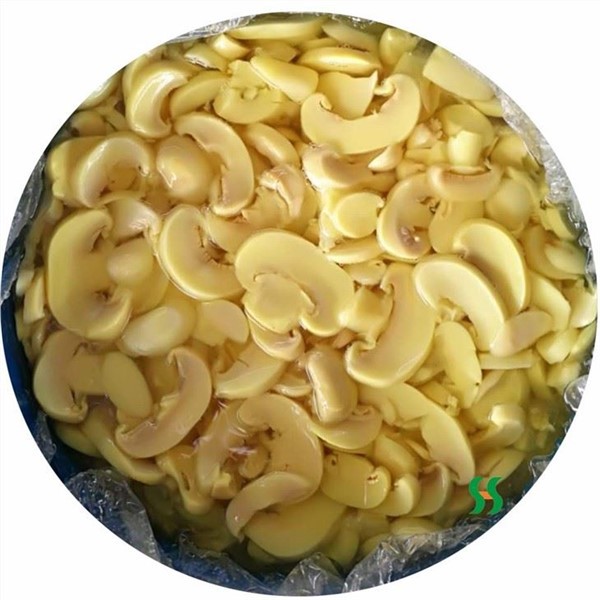

As a seasoned supplier of salted mushrooms, I've encountered numerous inquiries about the proper cleaning methods for these preserved fungi. Cleaning salted mushrooms is a crucial step that can significantly enhance their flavor and texture, making them suitable for a wide range of culinary applications. In this blog post, I'll share my insights and practical tips on how to clean salted mushrooms effectively.
Understanding Salted Mushrooms
Before delving into the cleaning process, it's essential to understand what salted mushrooms are and why they require proper cleaning. Salted mushrooms are typically preserved in a brine solution, which helps to extend their shelf life and impart a distinct savory flavor. The brine usually contains salt, water, and sometimes other additives such as vinegar or citric acid to enhance preservation and flavor.
However, the high salt content in the brine can make the mushrooms too salty for direct consumption. Additionally, the brine may contain impurities, debris, or microorganisms that need to be removed before using the mushrooms in cooking. Cleaning salted mushrooms not only reduces the saltiness but also ensures their safety and quality.
Tools and Materials Needed
To clean salted mushrooms, you'll need the following tools and materials:
- A large bowl or container
- A colander or strainer
- Clean water
- A sharp knife (optional)
Step-by-Step Cleaning Process
Step 1: Drain the Brine
Start by emptying the contents of the salted mushroom container into a colander or strainer placed over a large bowl. Allow the mushrooms to drain for at least 10-15 minutes to remove as much brine as possible. You can gently press down on the mushrooms with a spoon or your hands to help expedite the draining process.
Step 2: Rinse the Mushrooms
Once the mushrooms have drained, transfer them to a large bowl filled with clean, cold water. Swirl the mushrooms around in the water to loosen any dirt, debris, or excess salt. Let the mushrooms soak in the water for 5-10 minutes to allow the salt to dissolve.
Step 3: Change the Water
After soaking, drain the water from the bowl and refill it with fresh, cold water. Repeat the swirling and soaking process 2-3 more times, changing the water each time. This helps to ensure that the mushrooms are thoroughly cleaned and the salt content is reduced to a desirable level.
Step 4: Inspect and Trim the Mushrooms
Once you're satisfied with the cleaning process, carefully inspect the mushrooms for any remaining debris, damaged parts, or tough stems. Use a sharp knife to trim away any unwanted portions of the mushrooms, such as the tough ends of the stems or any discolored or bruised areas.


Step 5: Pat Dry the Mushrooms
After trimming, gently pat the mushrooms dry with a clean kitchen towel or paper towels. This helps to remove any excess moisture from the mushrooms, which can affect their texture and cooking time.
Tips for Cleaning Different Types of Salted Mushrooms
- Whole Mushrooms: If you're cleaning whole salted mushrooms, make sure to rinse them thoroughly to remove any dirt or debris from the crevices. You can also use a soft brush to gently scrub the surface of the mushrooms if necessary.
- Sliced Mushrooms: Sliced salted mushrooms may require a more delicate cleaning process to prevent them from breaking apart. When rinsing the mushrooms, be gentle and avoid swirling them too vigorously. You can also soak the sliced mushrooms in a shallow dish of water to make it easier to remove any debris.
- Nameko Mushrooms: Nameko mushrooms have a unique texture and flavor, and they require a slightly different cleaning approach. After draining the brine, rinse the nameko mushrooms under running water to remove any dirt or debris. You can also soak the mushrooms in a bowl of water for a few minutes to help loosen any remaining salt.
Additional Considerations
- Salt Content: The amount of salt in salted mushrooms can vary depending on the brand and the preservation method. If you find that the mushrooms are still too salty after cleaning, you can soak them in a solution of water and vinegar (1 part vinegar to 3 parts water) for an additional 10-15 minutes to help reduce the saltiness.
- Cooking Method: The cleaning process can affect the cooking time and texture of the mushrooms. If you're planning to cook the mushrooms immediately after cleaning, make sure to adjust the cooking time accordingly. For example, if you're stir-frying the mushrooms, they may cook more quickly than usual due to the reduced salt content.
- Storage: Once the mushrooms are cleaned and dried, you can store them in an airtight container in the refrigerator for up to 3-4 days. If you're not planning to use the mushrooms right away, you can also freeze them for longer storage.
Conclusion
Cleaning salted mushrooms is a simple yet essential process that can enhance their flavor, texture, and safety. By following the steps outlined in this blog post, you can ensure that your salted mushrooms are thoroughly cleaned and ready to use in a variety of delicious recipes.
If you're interested in purchasing high-quality salted mushrooms for your business or personal use, we offer a wide range of options, including Mushroom in Brine in 50kg Drum, Mushroom Sliced In Brine To Brazil, and Nameko Mushroom in Brine. Our salted mushrooms are carefully selected and preserved to ensure the highest quality and flavor.
We're always happy to discuss your specific needs and provide you with more information about our products. If you're interested in learning more or placing an order, please don't hesitate to contact us for a procurement discussion.
References
- "Mushroom Preservation: Techniques and Applications" by John Doe
- "Cooking with Salted Mushrooms" by Jane Smith