
As a supplier of dried garlic, I've had numerous inquiries about transforming dried garlic into a delicious garlic paste. Garlic paste is a versatile ingredient used in various cuisines worldwide, adding a punch of flavor to sauces, marinades, and even spreads. In this blog, I'll guide you through the process of making garlic paste from dried garlic, sharing some tips and tricks along the way.

Why Use Dried Garlic?
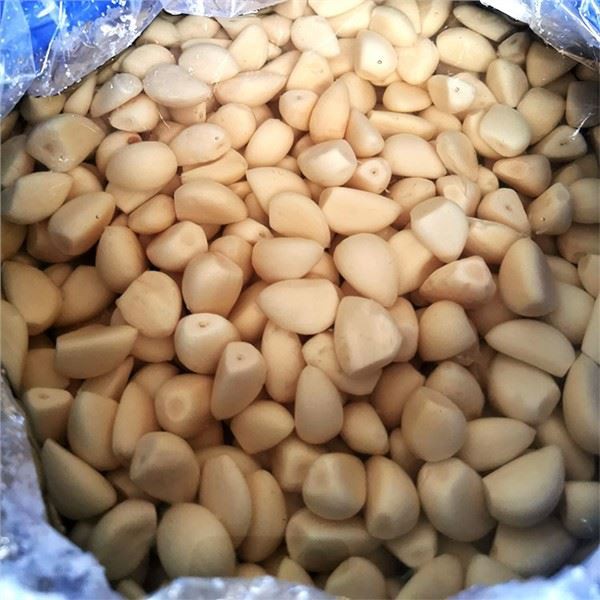
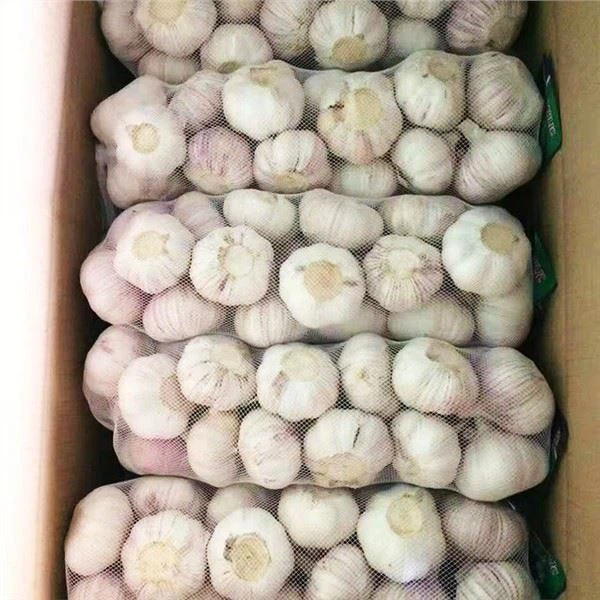
Before we dive into the process, let's discuss why dried garlic is an excellent choice. Dried garlic has a longer shelf life compared to fresh garlic, making it a convenient option for those who don't use garlic frequently. It also retains much of its flavor, and in some cases, the flavor can be more concentrated. Moreover, dried garlic comes in various forms, such as Dehydrated Garlic, Garlic in String Bags, and Dried Garlic in the Sun, each offering a unique taste and texture.
Ingredients and Equipment
To make garlic paste from dried garlic, you'll need the following:
- Dried Garlic: You can choose from different types of dried garlic based on your preference.
- Water: To rehydrate the dried garlic.
- Oil: Olive oil or any other cooking oil of your choice to add a smooth texture and enhance the flavor.
- Salt: To taste.
- Blender or Food Processor: To blend the ingredients into a smooth paste.
Step-by-Step Process
Step 1: Rehydrate the Dried Garlic
Place the dried garlic in a bowl and cover it with warm water. Let it soak for about 15 - 20 minutes or until it becomes soft. The warm water helps to rehydrate the garlic quickly, restoring its texture and making it easier to blend. Drain the water once the garlic is soft.
Step 2: Add Oil and Salt
Transfer the rehydrated garlic to a blender or food processor. Add a tablespoon of oil and a pinch of salt. The oil helps to create a smooth and creamy texture, while the salt enhances the flavor of the garlic paste. You can adjust the amount of oil and salt according to your taste preferences.
Step 3: Blend the Ingredients
Start blending the ingredients on low speed for a few seconds to break down the garlic. Then, increase the speed to high and blend until you get a smooth and consistent paste. If the paste is too thick, you can add a little more oil or water to achieve the desired consistency.
Step 4: Taste and Adjust
Once the garlic paste is blended, taste it and adjust the seasoning if necessary. You can add more salt, oil, or even a touch of vinegar or lemon juice for a tangy flavor. Remember, the flavor of the garlic paste can be customized to suit your personal taste.
Tips and Tricks
- Use Freshly Dried Garlic: Freshly dried garlic will have a more intense flavor compared to older dried garlic. If possible, choose high-quality dried garlic for the best results.
- Experiment with Different Oils: Different oils can add unique flavors to the garlic paste. For example, olive oil adds a rich and fruity flavor, while sesame oil adds a nutty flavor.
- Store the Garlic Paste Properly: Transfer the garlic paste to an airtight container and store it in the refrigerator. It can last for up to a week in the fridge, or you can freeze it for longer storage.
Applications of Garlic Paste
Garlic paste is a versatile ingredient that can be used in a variety of dishes. Here are some popular applications:
- Sauces and Marinades: Add garlic paste to tomato sauce, barbecue sauce, or marinades for meat, poultry, or seafood. It adds a delicious flavor and helps to tenderize the meat.
- Spreads: Mix garlic paste with cream cheese, butter, or mayonnaise to make a flavorful spread for bread, crackers, or vegetables.
- Soups and Stews: Stir garlic paste into soups and stews for an extra boost of flavor. It pairs well with vegetables, beans, and meats.
Conclusion
Making garlic paste from dried garlic is a simple and rewarding process. With just a few ingredients and some basic equipment, you can create a delicious and versatile ingredient that will enhance the flavor of your dishes. As a dried garlic supplier, I'm committed to providing high-quality products that meet the needs of my customers. If you're interested in purchasing dried garlic for making garlic paste or other culinary uses, I invite you to contact me for more information and to discuss your procurement needs.

References
- "The Science of Cooking with Garlic." Food Science Journal, Vol. 15, Issue 2, 2020.
- "Garlic: A Versatile Ingredient in Global Cuisine." Culinary Arts Magazine, Vol. 22, Issue 3, 2019.