
Hey there! I'm a supplier of Garlic In Brine, and I know how crucial it is to get that brine just right. One of the key aspects that can make or break the flavor and preservation of our garlic is the acidity of the brine. So, let's dive into how I make the brine for garlic more acidic.
Why Acidic Brine Matters
First off, why do we even want an acidic brine for our garlic? Well, acidity serves multiple purposes. For starters, it acts as a natural preservative. Bacteria and other microorganisms don't thrive in acidic environments. By making the brine acidic, we can extend the shelf - life of our garlic, keeping it fresh and flavorful for longer.
Secondly, the acidity enhances the taste of the garlic. It gives it a tangy, zesty kick that makes our Pickled Garlic Clove in Brine a real treat for the taste buds. Whether it's used in a salad dressing, a pasta sauce, or just eaten on its own, the acidic brine adds that extra dimension of flavor.
Common Acidic Ingredients
There are several ingredients I use to make the brine more acidic. One of the most common ones is vinegar. Vinegar comes in many varieties, such as white vinegar, apple cider vinegar, and balsamic vinegar.
White vinegar is a popular choice because it has a strong, clean acidity. It doesn't add any extra flavors that might overpower the garlic. Apple cider vinegar, on the other hand, has a slightly sweet and fruity undertone. It can give the garlic a more complex flavor profile. Balsamic vinegar is thicker and has a rich, sweet - and - sour taste. It's great for making a more gourmet - style pickled garlic.
Another ingredient I often use is lemon juice. Freshly squeezed lemon juice is a natural source of citric acid. It has a bright, fresh flavor that pairs really well with garlic. It's also a healthier option compared to some vinegars, as it contains vitamin C and other nutrients.
The Science Behind Acidification
When we add an acidic ingredient to the brine, a chemical reaction occurs. The acid donates a proton (H+) to the water molecules in the brine. This increases the concentration of hydrogen ions, which in turn lowers the pH of the solution. The lower the pH, the more acidic the brine is.
Most bacteria and fungi start to die off at a pH of around 4.6 or lower. So, our goal is to get the brine to a pH in this range to ensure proper preservation of the garlic. I use a pH meter to measure the acidity of the brine accurately. It's a simple tool that gives me an instant reading of the pH level.
Creating the Acidic Brine
Now, let's get into the actual process of making the acidic brine. I usually start by making a basic brine solution. I combine water and salt in a pot. The salt not only adds flavor but also helps in the preservation process. A good ratio is about 1/4 cup of salt for every 4 cups of water.
Once the salt is dissolved in the water, I start adding the acidic ingredient. If I'm using vinegar, I'll typically add about 1 - 2 cups for every 4 cups of water, depending on how acidic I want the brine to be. I heat the mixture gently on the stove, stirring constantly to make sure everything is well - combined.
If I'm using lemon juice, I'll add it towards the end of the heating process. This is because lemon juice can break down if it's heated for too long. I usually add about 1/2 to 1 cup of freshly squeezed lemon juice for every 4 cups of water.
After adding the acidic ingredient, I let the brine cool down to room temperature. This is important because if the brine is too hot when I add the garlic, it can cook the garlic and change its texture.
Testing and Adjusting the Acidity
Once the brine is cooled, I use the pH meter to test its acidity. If the pH is too high (not acidic enough), I'll add a little more of the acidic ingredient and stir well. I keep testing and adjusting until I get the desired pH level.
It's also important to note that the garlic itself can affect the acidity of the brine over time. As the garlic sits in the brine, it releases some of its natural compounds, which can slightly change the pH. So, I like to test the brine again after a few days to make sure it's still within the safe and flavorful range.
Different Types of Garlic in Brine
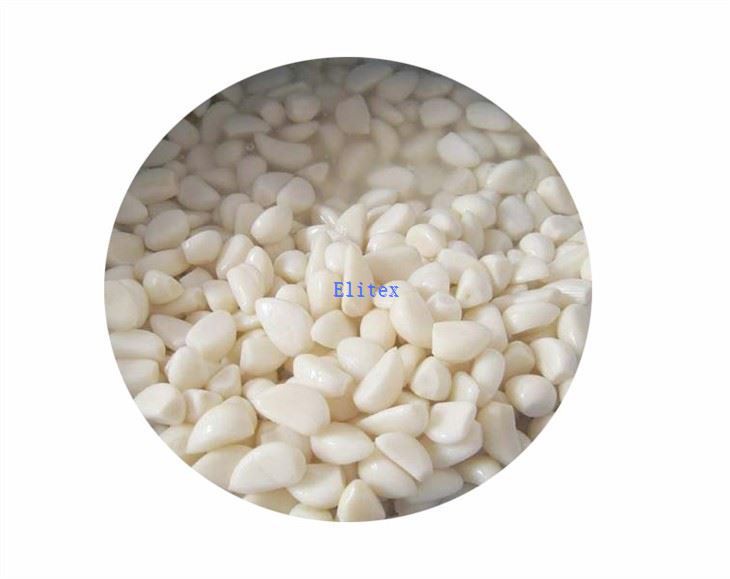
We offer different types of Garlic In Brine, such as Peeled Garlic in Brine in Drum and Fresh Garlic In Brine In Drums. The process of making the acidic brine is similar for all these products, but there are some minor differences.
For peeled garlic, the brine can penetrate the garlic more easily, so I might need to be a bit more careful with the acidity levels. If the brine is too acidic, it can make the garlic mushy. For fresh garlic with the skin on, the skin acts as a bit of a barrier, so the brine doesn't affect the garlic as quickly.
Storage and Shelf - Life
Once the garlic is in the acidic brine, proper storage is crucial. I store our garlic in brine in a cool, dark place. This helps to maintain the acidity and flavor of the brine. The acidic brine can keep the garlic fresh for several months, but it's always a good idea to check the garlic regularly for any signs of spoilage.

Conclusion
Making the brine for garlic more acidic is both an art and a science. By using the right acidic ingredients, understanding the chemical reactions, and carefully testing and adjusting the acidity, we can create a delicious and long - lasting product.
If you're interested in our Garlic In Brine products, whether it's Pickled Garlic Clove in Brine, Peeled Garlic in Brine in Drum, or Fresh Garlic In Brine In Drums, feel free to reach out for a procurement discussion. We're always happy to talk about our products and how they can fit into your business needs.
References
- "The Science of Pickling" by Harold McGee
- "Food Preservation Techniques" by the USDA