
Dried garlic is a versatile and popular ingredient that has found its way into kitchens around the world. As a dried garlic supplier, I'm excited to share the process of how this wonderful product is made. From the moment the garlic is harvested to the final packaging, every step is crucial in ensuring the quality and flavor of the dried garlic.
Harvesting Garlic
The journey of dried garlic begins in the fields. Garlic is typically planted in the fall and harvested in the summer. The timing of the harvest is critical, as it affects the flavor and storage life of the garlic. When the leaves of the garlic plant start to turn yellow and dry, it's a sign that the garlic is ready to be harvested.
Farmers use specialized equipment to carefully dig up the garlic bulbs, being careful not to damage them. Once harvested, the garlic is left in the field for a short period to allow the outer layers to dry and harden slightly. This initial drying helps protect the bulbs during transportation and further processing.
Cleaning and Sorting
After the garlic is harvested, it is transported to our processing facility. The first step in the processing is cleaning the garlic bulbs. This involves removing any dirt, debris, or loose outer skins. We use a combination of mechanical and manual cleaning methods to ensure that the garlic is thoroughly cleaned without causing any damage to the bulbs.
Once the garlic is clean, it is sorted based on size, quality, and appearance. This ensures that only the best-quality garlic bulbs are used for drying. Any damaged or inferior bulbs are removed from the batch, as they can affect the overall quality of the dried garlic.
Preparing the Garlic for Drying
Before the garlic can be dried, it needs to be prepared. This typically involves peeling the garlic cloves. Peeling can be done manually or using automated peeling machines, depending on the scale of production. Manual peeling allows for more precision and is often used for high-quality garlic, while automated peeling is faster and more suitable for large-scale production.
After peeling, the garlic cloves are sometimes sliced or minced, depending on the desired end product. Sliced or minced garlic dries more quickly and evenly than whole cloves, and it is also more convenient for use in cooking.
Drying the Garlic
There are several methods for drying garlic, each with its own advantages and disadvantages. The most common methods include air drying, sun drying, and using dehydrators.
Air Drying
Air drying is a traditional method of drying garlic that has been used for centuries. It involves hanging the garlic bulbs or cloves in a well-ventilated area with low humidity. This allows the garlic to dry slowly over time, which helps preserve its flavor and nutrients. Air drying can take several weeks to complete, depending on the environmental conditions.
Sun Drying
Sun drying is another popular method of drying garlic, especially in regions with plenty of sunlight. The garlic cloves are spread out in a thin layer on trays or racks and placed in direct sunlight. Sun drying is a relatively fast method, but it requires careful monitoring to prevent the garlic from overheating or getting damaged by pests. You can learn more about Dried Garlic in the Sun.
Using Dehydrators
Dehydrators are modern appliances that use controlled heat and airflow to dry food quickly and efficiently. They are often used in commercial garlic processing facilities because they allow for precise control of the drying conditions. Dehydrators can dry garlic in a matter of hours, depending on the temperature and humidity settings.
Regardless of the method used, the goal is to reduce the moisture content of the garlic to a level that prevents spoilage and extends its shelf life. The ideal moisture content for dried garlic is typically around 6-8%.

Testing the Dried Garlic
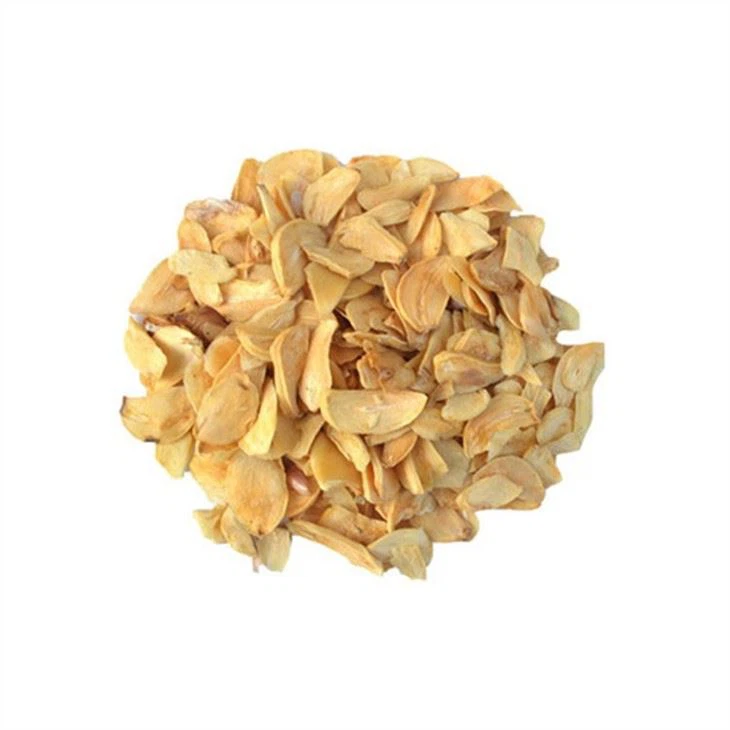
Once the garlic is dried, it is important to test its moisture content and quality. We use specialized equipment to measure the moisture content of the dried garlic and ensure that it meets our strict quality standards. We also conduct sensory tests to evaluate the flavor, aroma, and appearance of the dried garlic.
Any batches of dried garlic that do not meet our quality standards are rejected and not used for packaging or sale. This ensures that only the highest-quality dried garlic is delivered to our customers.
Packaging the Dried Garlic
After the dried garlic has been tested and approved, it is ready for packaging. We offer a variety of packaging options to meet the needs of our customers, including Garlic in String Bags and Carton Packed Dried Garlic.
Our packaging is designed to protect the dried garlic from moisture, light, and air, which can all affect its quality and shelf life. We use high-quality materials and state-of-the-art packaging equipment to ensure that the dried garlic is properly sealed and protected during storage and transportation.
Storing and Shipping the Dried Garlic
Proper storage is essential for maintaining the quality of the dried garlic. We store our dried garlic in a cool, dry place away from direct sunlight and heat. This helps prevent the garlic from losing its flavor and aroma over time.
When it comes to shipping, we take every precaution to ensure that the dried garlic arrives at its destination in perfect condition. We use insulated packaging and temperature-controlled shipping methods to protect the garlic from extreme temperatures and humidity during transit.
Conclusion
As a dried garlic supplier, we are committed to producing the highest-quality dried garlic products. The process of making dried garlic is a careful and precise one, involving multiple steps from harvesting to packaging. By using the best-quality garlic, employing strict quality control measures, and using the latest drying and packaging technologies, we are able to offer our customers a delicious and convenient ingredient that enhances the flavor of their favorite dishes.
If you are interested in purchasing our dried garlic products, we would love to hear from you. Whether you are a restaurant owner, a food manufacturer, or a home cook, we can provide you with the perfect dried garlic solution for your needs. Contact us today to discuss your requirements and start a partnership that will bring the rich flavor of dried garlic to your kitchen.
References
- "Garlic: Production, Processing, and Uses." Edited by Leonard O. Pike and Robert B. Ferguson.
- "The Science of Food Preservation." By Norman F. Sommer.
- Various industry publications and research studies on garlic drying and processing.