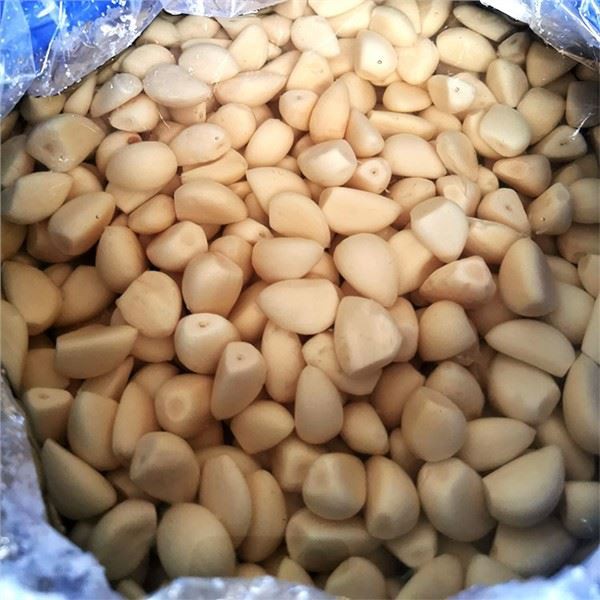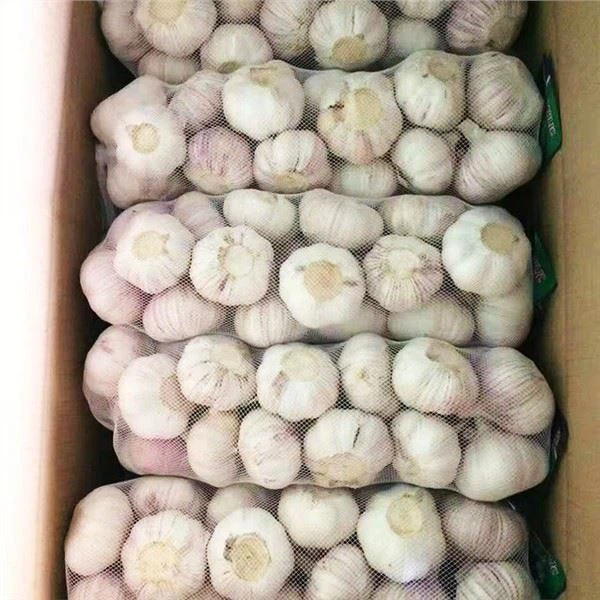

Hey there! As a supplier of Purely White Fresh Garlic, I get a ton of questions about how to cook this amazing ingredient while making it less pungent. Garlic is a staple in kitchens all over the world, but its strong flavor can sometimes be a bit too much for some folks. So, today, I'm gonna share some tips and tricks on how to cook our Purely White Fresh Garlic to mellow out that sharp taste.
Understanding the Pungency of Garlic
First things first, let's talk about why garlic is so pungent. Garlic contains a compound called allicin, which is responsible for its strong smell and taste. When you crush or chop garlic, an enzyme called alliinase is released, which then converts alliin (a sulfur - containing compound) into allicin. The more you break down the garlic, the more allicin is produced, and the more pungent it becomes.
Our Fresh Natural Pure White Garlic has a clean, fresh flavor, but the allicin can still pack a punch. That's why we need to find ways to control its intensity during cooking.
Soaking the Garlic
One of the easiest ways to reduce the pungency of garlic is by soaking it in water. Just peel the cloves and place them in a bowl of cold water for about 15 - 30 minutes. The water will draw out some of the sulfur compounds that cause the strong flavor. After soaking, drain the water and pat the cloves dry. You'll notice that the garlic has a milder taste when you cook it.

I've tried this method myself, and it really works. Whether you're using the garlic in a salad dressing or a stir - fry, the pre - soaked garlic adds a more subtle flavor.
Roasting the Garlic
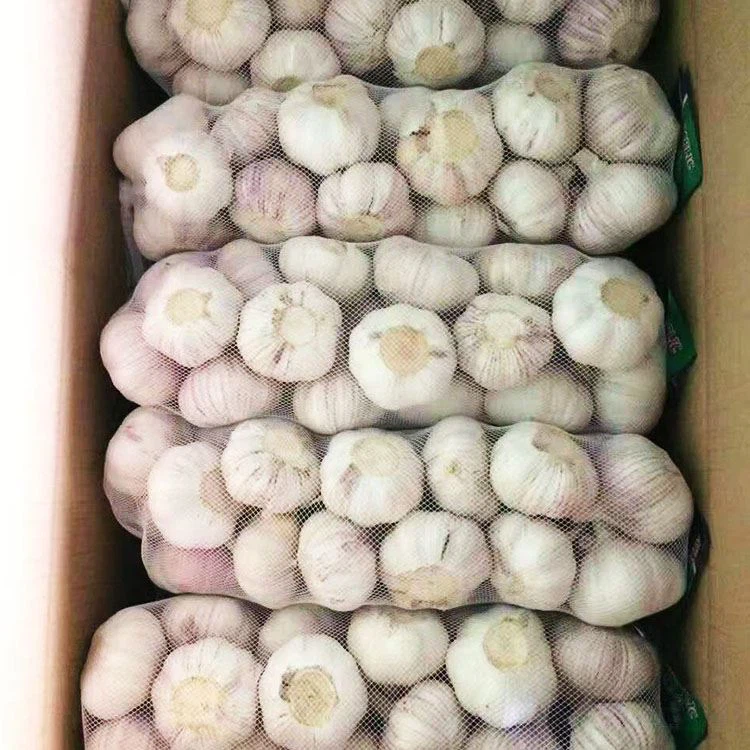
Roasting is another great way to mellow out the pungency of garlic. Preheat your oven to 375°F (190°C). Take a whole head of our Fresh Garlic in Carton, cut off the top about a quarter - inch to expose the cloves, and place it in a small baking dish. Drizzle the head with a little olive oil and season with salt and pepper. Cover the dish with foil and bake for about 40 - 50 minutes, or until the cloves are soft and golden brown.
Once the garlic is roasted, the flavor becomes sweet and creamy. You can squeeze the cloves out of their skins and use them in mashed potatoes, pasta sauces, or spread them on toast. Roasted garlic is a real crowd - pleaser, even for those who usually shy away from strong - flavored garlic.
Cooking Garlic Slowly
When you're cooking with garlic, the cooking time and temperature matter a lot. If you cook garlic on high heat for a short time, it can burn quickly and become bitter, which actually intensifies the pungency. Instead, cook the garlic slowly over low to medium heat.
For example, when making a soup or a stew, add the garlic early in the cooking process. Let it simmer gently for 5 - 10 minutes, stirring occasionally. This slow cooking process allows the flavors to develop gradually and reduces the sharpness of the garlic.
Pairing Garlic with Other Ingredients
Another trick to make garlic less pungent is to pair it with other ingredients that can balance its flavor. Dairy products like milk, cream, and cheese are great for this. For instance, when making a garlic sauce, add a little bit of cream or sour cream. The dairy will help to mellow out the garlic and give the sauce a rich, smooth texture.
Fruits and vegetables can also help to balance the pungency of garlic. Tomatoes, onions, and bell peppers are commonly paired with garlic in many recipes. The natural sweetness of these ingredients can counteract the sharpness of the garlic.
Blanching the Garlic
Blanching is a technique where you briefly boil the garlic and then plunge it into ice water. Bring a pot of water to a boil and add the peeled garlic cloves. Let them boil for about 1 - 2 minutes, then use a slotted spoon to transfer them to a bowl of ice water. Blanching helps to remove some of the surface sulfur compounds and reduces the pungency.
After blanching, you can use the garlic in your favorite recipes. It will have a milder flavor and a slightly softer texture.
Using Garlic Powder or Granules
If you're really sensitive to the pungency of fresh garlic, you can also consider using garlic powder or granules. These products are made from dehydrated garlic and have a more concentrated but less intense flavor. You can use them in the same way as fresh garlic in most recipes, but you'll need to use less of it.
However, I still recommend using our fresh garlic whenever possible because it has a much fresher and more complex flavor compared to the powdered version.
Conclusion
So, there you have it! These are some of the best ways to cook our Purely White Fresh Garlic to make it less pungent. Whether you're a home cook or a professional chef, these tips can help you get the most out of this wonderful ingredient.
If you're interested in purchasing our high - quality Purely White Fresh Garlic, feel free to reach out to us for a quote. We're always happy to discuss your procurement needs and offer the best deals. Let's work together to bring the delicious, mellow flavor of our garlic to your kitchen!
References
- McGee, Harold. "On Food and Cooking: The Science and Lore of the Kitchen." Scribner, 2004.
- Ruhlman, Michael. "Ratio: The Simple Codes Behind the Craft of Everyday Cooking." Scribner, 2009.