
Hey there, gardening enthusiasts! I'm a supplier of Purely White Fresh Garlic, and I'm super stoked to share with you how to plant this amazing crop in your garden. Garlic is not only a staple in the kitchen, adding a burst of flavor to countless dishes, but it's also relatively easy to grow. So, let's dive right in and get our hands dirty!
Choosing the Right Garlic
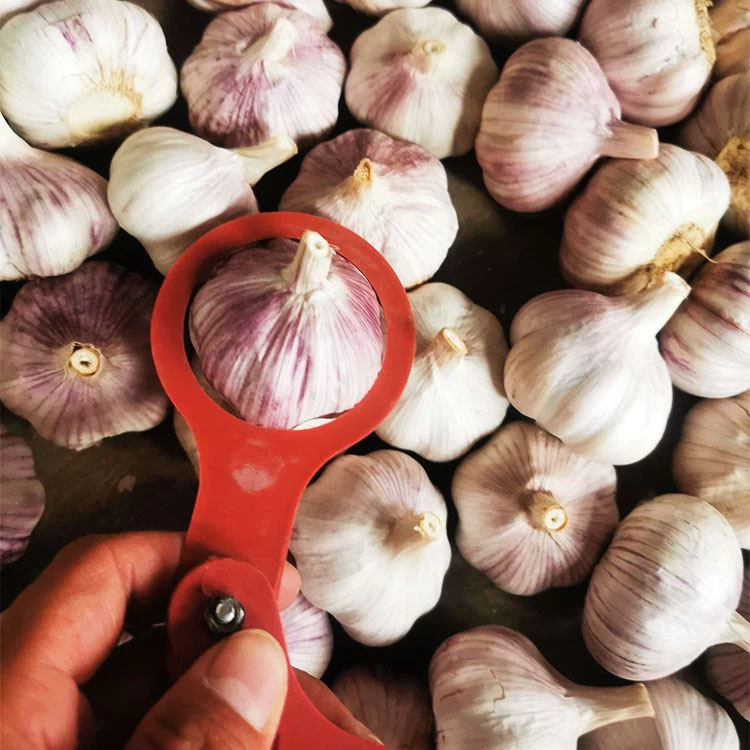
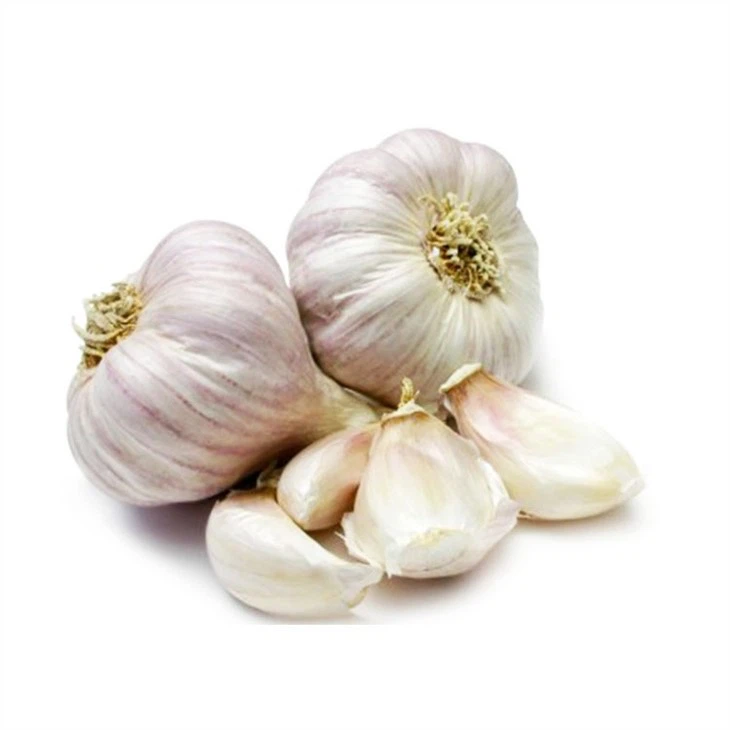
First things first, you gotta pick the right kind of garlic. As a supplier, I know firsthand the difference between various types. When it comes to Purely White Fresh Garlic, you're in for a treat. It has a clean, mild flavor that's perfect for a wide range of recipes. You can find high - quality bulbs at my store, like the ones on this page: Purely White Fresh Garlic.
When selecting garlic bulbs for planting, look for large, firm ones. Avoid any that are soft, moldy, or have green sprouts already shooting out. The cloves should be plump and well - formed. Each clove will grow into a new garlic plant, so the bigger and healthier the clove, the better the chances of a great harvest.
Preparing the Garden Bed
Now, let's talk about getting your garden bed ready. Garlic loves well - drained soil. It doesn't like to have its feet wet for too long, so if your soil is heavy and clay - like, you might want to add some compost or sand to improve drainage. Work the soil to a depth of about 8 - 10 inches, breaking up any clumps and removing rocks and weeds.
Garlic also thrives in full sun. Find a spot in your garden that gets at least 6 hours of direct sunlight a day. Mark out the area for your garlic bed and use a rake to level the soil surface. You can add a layer of organic fertilizer to the soil at this stage. This will give your garlic plants the nutrients they need to grow strong and healthy.
Planting the Garlic
Once your garden bed is ready, it's time to plant the garlic. Separate the cloves from the bulb just before planting. Make sure you keep the papery skin on each clove. Plant the cloves with the pointed end up, about 2 - 3 inches deep and 4 - 6 inches apart. You can plant them in rows or in a more random pattern, as long as they have enough space to grow.
After planting, cover the cloves with soil and gently pat it down. Water the bed thoroughly, but don't overdo it. You just want the soil to be moist, not soggy. In most regions, fall is the best time to plant garlic. This allows the cloves to develop roots before the ground freezes and gives them a head start in the spring.
Taking Care of Your Garlic Plants
Taking care of your garlic plants is relatively simple. Water them regularly, especially during dry spells. But remember, garlic doesn't like too much water, so make sure the soil has good drainage. You can mulch the bed with straw or leaves to help retain moisture and suppress weeds.
As the plants grow, you might notice some scapes (the curly flower stalks) emerging. It's a good idea to remove these scapes. Not only does it prevent the plant from wasting energy on producing flowers, but the scapes are also edible and can be used in cooking. You can use them in stir - fries, pesto, or just sauté them with a little olive oil and salt.
Keep an eye out for pests and diseases. Garlic is generally quite resistant, but you might still encounter problems like aphids or fungal diseases. If you notice any issues, there are organic pest control methods you can use. For example, a simple mixture of water and dish soap can help get rid of aphids.
Harvesting Your Garlic
When it's time to harvest your garlic, it's an exciting moment. You'll know it's ready when the lower leaves start to turn yellow and dry out. Usually, this happens in mid - to late summer. Use a garden fork to gently loosen the soil around the bulbs and lift them out. Be careful not to damage the bulbs.
After harvesting, let the garlic dry in a well - ventilated area for a few weeks. This process, called curing, helps the bulbs last longer in storage. Once the outer skins are dry and papery, you can trim the roots and the tops.
Storing Your Garlic
Storing your garlic properly is key to keeping it fresh for as long as possible. You can store it in a cool, dry place, like a pantry or a cellar. Avoid storing it in the refrigerator, as the cold and moisture can cause it to sprout or rot. You can braid the garlic tops together and hang them up, or you can store them in mesh bags.
Why Choose Our Purely White Fresh Garlic
As a supplier of Fresh Natural Pure White Garlic, I can tell you that our garlic is top - notch. We source the best bulbs and take great care in growing and harvesting them. Our garlic is free from pesticides and chemicals, so you can be sure you're getting a healthy and natural product.
We also offer Fresh Garlic in Carton, which is convenient for both home cooks and restaurants. Whether you're looking to plant your own garlic or just want to stock up on some fresh bulbs for your kitchen, we've got you covered.
If you're interested in purchasing our Purely White Fresh Garlic, don't hesitate to reach out. We're always happy to talk to customers and discuss your needs. Whether you're a small - scale gardener or a large - scale buyer, we can work with you to provide the best garlic at the best prices.
References
- "The Vegetable Gardener's Bible" by Edward C. Smith
- "Rodale's Ultimate Encyclopedia of Organic Gardening" by Fern Marshall Bradley, Barbara W. Ellis, and the Editors of Rodale's Organic Life