
As a supplier of Mushroom Grade B, I understand the importance of selecting the best product in the market. In this blog, I will share some insights and tips on how to choose the top - notch Mushroom Grade B, drawing from my experience in the industry.
Understanding Mushroom Grades
Before delving into the selection process, it's crucial to have a clear understanding of mushroom grades. Mushroom grading is based on several factors such as size, appearance, texture, and quality. Mushroom Grade A typically represents the highest quality. These mushrooms are usually uniform in size, have a smooth texture, and are free from blemishes. They are often used in high - end restaurants or for export markets where visual appeal and consistent quality are paramount.
On the other hand, Mushroom Grade B is slightly lower in quality compared to Grade A but still offers good value. Grade B mushrooms may have some minor variations in size and appearance. They could have small blemishes or be a bit irregular in shape. However, they are still suitable for a wide range of applications, including food processing, home cooking, and local markets.
Appearance and Color
One of the first things to consider when selecting Mushroom Grade B is the appearance. The mushrooms should have a natural, healthy color. For most varieties, a light to medium - brown color is a good sign. Avoid mushrooms that are overly dark or have a dull, grayish tint, as this could indicate age or poor storage conditions.
The surface of the mushrooms should be relatively clean and free from excessive dirt or debris. Minor scratches or small marks are acceptable for Grade B mushrooms, but large cuts or bruises can affect the taste and shelf - life. Also, check the caps and stems. The caps should be intact, and the stems should be firm and attached properly.
Size and Uniformity
While Mushroom Grade B may not have the same level of uniformity as Grade A, it's still beneficial to look for mushrooms that are reasonably consistent in size. This makes them easier to handle during cooking or processing. If the mushrooms are too variable in size, it can lead to uneven cooking, with some pieces being overcooked while others are undercooked.
In general, for common mushroom varieties used in the market, a medium - sized mushroom is often preferred. Smaller mushrooms may lack flavor, while larger ones can sometimes be tough or fibrous. However, the ideal size can also depend on the specific use. For example, if you're using the mushrooms for stuffing, larger mushrooms may be more suitable.
Texture and Firmness
The texture of the mushrooms is another important aspect. When you gently squeeze a Mushroom Grade B, it should feel firm but not too hard. Mushrooms that are overly soft or mushy are likely spoiled and should be avoided. A good way to test the firmness is to press the tip of your finger lightly on the cap. If it leaves an indentation that doesn't bounce back, the mushroom may be past its prime.
The stems should also be firm. Soft or spongy stems can be a sign of decay. Additionally, the flesh of the mushroom should be dense and not overly watery. Watery mushrooms can release a lot of liquid during cooking, which can affect the overall flavor and texture of the dish.


Aroma
The smell of the mushrooms can tell you a lot about their quality. Fresh Mushroom Grade B should have a pleasant, earthy aroma. A strong, unpleasant odor, such as a sour or ammonia - like smell, is a clear indication of spoilage. If the mushrooms have a musty smell, it could mean they have been stored in a damp environment and may be developing mold.
Source and Supplier Reputation
The source of the mushrooms is crucial. It's always a good idea to buy from a reputable supplier. A reliable supplier will have proper quality control measures in place to ensure that the Mushroom Grade B they offer meets the required standards. They should be able to provide information about the origin of the mushrooms, how they were grown, and the storage and handling conditions.
As a Mushroom Grade B supplier myself, I take pride in sourcing mushrooms from trusted growers. We follow strict quality control procedures to ensure that our mushrooms are of the highest possible quality within the Grade B category. We also have a team of experts who inspect the mushrooms at every stage, from harvest to packaging, to guarantee freshness and safety.
Packaging and Storage Information
Pay attention to the packaging of the Mushroom Grade B. It should be clean, intact, and properly labeled. The label should include information such as the variety of mushrooms, the grade, the date of packaging, and any storage instructions.
Proper storage is essential to maintain the quality of the mushrooms. Most Mushroom Grade B can be stored in the refrigerator. They should be kept in a breathable container, such as a paper bag or a container with ventilation holes. Avoid storing them in a sealed plastic bag, as this can trap moisture and lead to mold growth.
Consider the Application
Think about how you plan to use the Mushroom Grade B. If you're using them for a simple stir - fry or sauté, you can be a bit more lenient with the selection criteria. However, if you're making a high - end dish or using the mushrooms for a special occasion, you may want to be more selective.
For food processing applications, such as making mushroom soups or sauces, the mushrooms need to have a good flavor and texture that can withstand the cooking and processing steps. In this case, it's important to choose mushrooms that are not too fibrous or tough.
Price and Value
Price is always a factor when making a purchase. Mushroom Grade B is generally more affordable than Grade A, but it's important to compare prices from different suppliers. Don't just go for the cheapest option, as low - priced mushrooms may be of poor quality. Look for a balance between price and value.
Consider the quantity you're getting, the quality of the mushrooms, and the reputation of the supplier. Sometimes, paying a slightly higher price for better - quality Mushroom Grade B can save you money in the long run, as you'll have less waste and a better end - product.
Availability of Related Products
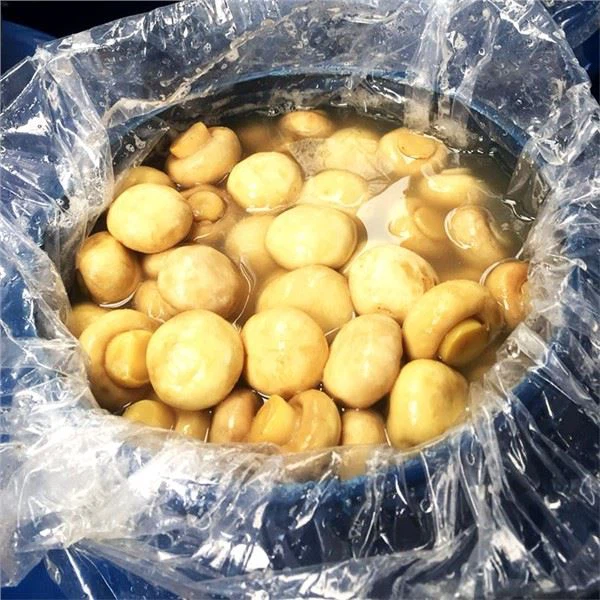
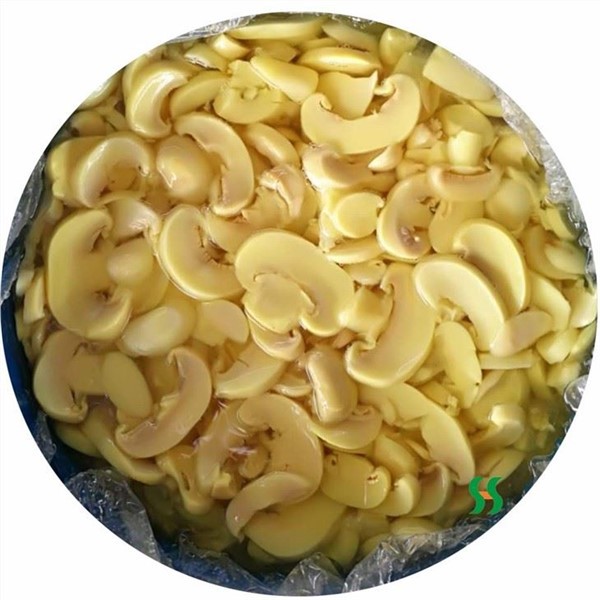
Some suppliers may offer related products along with Mushroom Grade B. For example, Mushroom in Drum or Whole Mushroom in SO2 in Drum. These preserved mushroom products can be a convenient option, especially if you need a longer - shelf - life or if fresh mushrooms are not readily available.
When considering these related products, check the ingredients and the preservation method. For products with sulfur dioxide (SO2), make sure it's within the acceptable limits for food safety. Also, read the labels carefully to understand the storage and usage instructions.
Contact for Purchase and Negotiation
If you're interested in purchasing Mushroom Grade B, I'd be more than happy to assist you. As a supplier with years of experience in the industry, I can offer high - quality products at competitive prices. Whether you're a food processor, a restaurant owner, or a home cook looking for a reliable source of mushrooms, feel free to reach out to me for more information and to start a negotiation.
References
- "The Mushroom Cultivator: A Practical Guide to Growing Mushrooms at Home and Commercially" by Paul Stamets and J.S. Chilton.
- "Mushroom Science and Technology" edited by D.K. Arora and A. Pandey.
- Various industry reports and research papers on mushroom quality and grading standards.