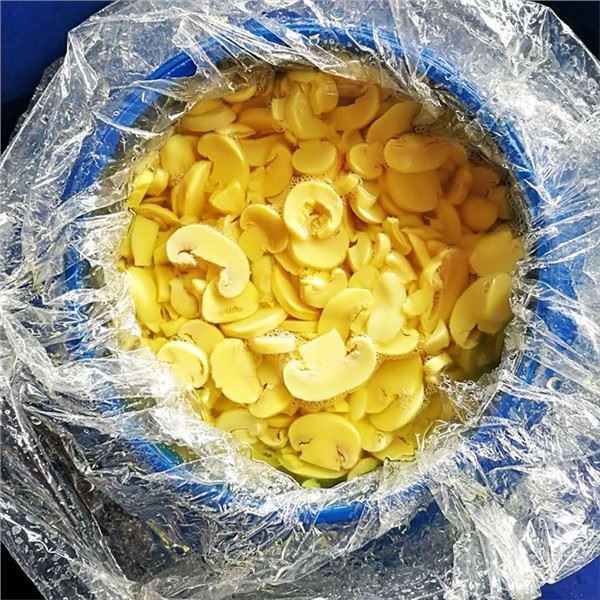

Hey there! As a dried garlic supplier, I often get asked if dried garlic is good for digestion. Well, let's dig into this topic and find out!
First off, let's talk a bit about what dried garlic is. Dried garlic comes in different forms, like Carton Packed Dried Garlic, Dried Garlic in the Sun, and Dehydrated Garlic. It's basically fresh garlic that has had most of its moisture removed. This not only extends its shelf - life but also concentrates its flavor.
Now, onto the big question: is it good for digestion?
The Nutritional Content of Dried Garlic
Dried garlic is packed with all sorts of nutrients that can have a positive impact on our digestive system. It contains vitamins like vitamin C, vitamin B6, and minerals such as manganese and selenium. These nutrients play a crucial role in keeping our digestive organs healthy.
Vitamin C is an antioxidant that helps protect the cells in our digestive tract from damage caused by free radicals. Free radicals are unstable molecules that can harm our cells and lead to various health problems, including digestive issues. Vitamin B6 is involved in many metabolic processes in the body, including the digestion of proteins. Manganese is important for the proper functioning of enzymes in the digestive system, and selenium helps maintain the health of the gut lining.
Antibacterial and Antifungal Properties
One of the key benefits of dried garlic for digestion is its antibacterial and antifungal properties. Garlic contains a compound called allicin, which is responsible for many of its health benefits. Allicin has been shown to fight off harmful bacteria and fungi in the gut.
There are many types of bad bacteria that can cause digestive problems, like diarrhea, bloating, and abdominal pain. By consuming dried garlic, we can help keep these bad bugs in check. For example, some studies have found that allicin can inhibit the growth of Helicobacter pylori, a bacterium that can cause ulcers in the stomach and small intestine.
Stimulating Digestive Enzymes
Dried garlic can also stimulate the production of digestive enzymes. Enzymes are proteins that break down the food we eat into smaller, more easily absorbable molecules. When we eat dried garlic, it can trigger the release of enzymes like amylase, protease, and lipase.
Amylase helps break down carbohydrates into simple sugars, protease breaks down proteins into amino acids, and lipase breaks down fats into fatty acids and glycerol. By increasing the production of these enzymes, dried garlic can improve the efficiency of our digestion and help us get more nutrients from the food we eat.
Improving Gut Motility
Gut motility refers to the movement of food through the digestive tract. A healthy gut motility is essential for proper digestion and the prevention of constipation. Dried garlic has been shown to have a positive effect on gut motility.
It can help relax the smooth muscles in the digestive tract, allowing food to move through more easily. This can reduce the chances of food getting stuck in the intestines and causing discomfort. Some people who suffer from constipation have reported improvement in their bowel movements after including dried garlic in their diet.
Prebiotic Effects
Prebiotics are substances that feed the good bacteria in our gut. Dried garlic contains certain types of fibers that act as prebiotics. These fibers are not digested by our body but are instead fermented by the beneficial bacteria in the gut.
When the good bacteria in our gut ferment these prebiotics, they produce short - chain fatty acids (SCFAs). SCFAs have many health benefits, including reducing inflammation in the gut, improving the absorption of nutrients, and promoting the growth of more good bacteria. By providing a food source for the good bacteria, dried garlic can help maintain a healthy balance of microorganisms in the gut.
How to Incorporate Dried Garlic into Your Diet
There are many easy ways to add dried garlic to your diet. You can sprinkle it on your salads, soups, and stews. It also works great as a seasoning for meats, vegetables, and pasta dishes.
If you're making a homemade salad dressing, you can add a little bit of dried garlic powder for an extra kick of flavor. You can also mix it with olive oil and use it as a marinade for chicken or fish.
Possible Side Effects
While dried garlic is generally good for digestion, it's important to note that some people may experience side effects. Some individuals may be allergic to garlic, and consuming it can cause symptoms like itching, swelling, and difficulty breathing.
Even if you're not allergic, eating too much dried garlic can cause heartburn, acid reflux, or an upset stomach. It's always a good idea to start with a small amount and see how your body reacts.
Conclusion
In conclusion, dried garlic is definitely good for digestion. Its rich nutritional content, antibacterial and antifungal properties, ability to stimulate digestive enzymes, improve gut motility, and act as a prebiotic all contribute to a healthy digestive system.
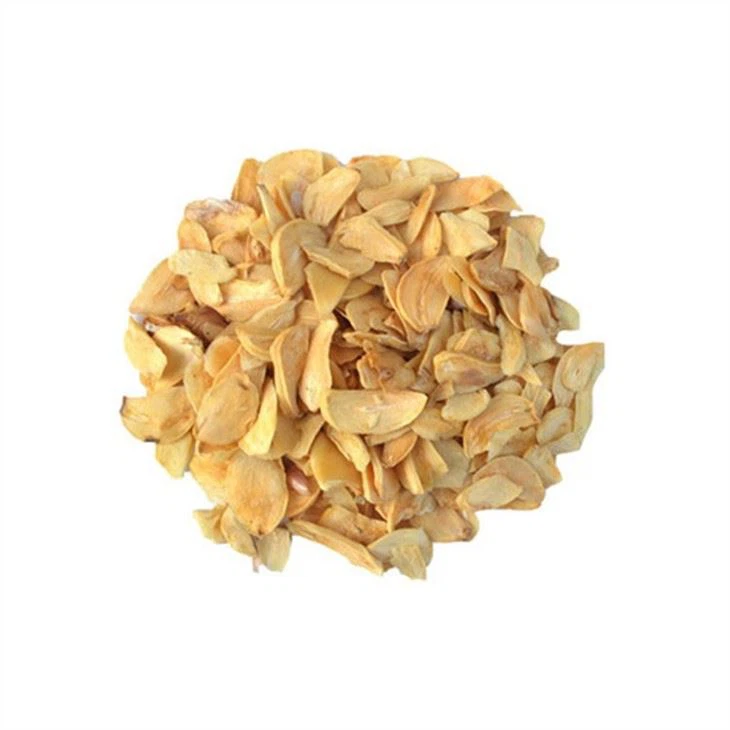

As a dried garlic supplier, I'm proud to offer high - quality products like Carton Packed Dried Garlic, Dried Garlic in the Sun, and Dehydrated Garlic. If you're interested in incorporating dried garlic into your diet or are a business looking to source dried garlic, I'd love to have a chat with you. Let's start a conversation about how we can work together to meet your dried garlic needs.
References
- Block, E. (1985). The chemistry of garlic and onions. Scientific American, 252(3), 114 - 123.
- Ried, K., Frank, J., Stocks, N., & Fakler, P. (2016). Effect of garlic on blood pressure: a systematic review and meta - analysis. BMC Cardiovascular Disorders, 16(1), 33.
- Ankri, S., & Mirelman, D. (1999). Antimicrobial properties of allicin from garlic. Microbes and Infection, 1(12), 1257 - 1264.