
As a supplier of fresh garlic, I've often been asked about the benefits of garlic, especially in relation to oral health. Garlic has been used for centuries in traditional medicine for its numerous health - promoting properties. In this blog, we'll explore the scientific evidence behind whether fresh garlic is indeed good for oral health.
The Chemical Composition of Fresh Garlic
Fresh garlic is a rich source of various bioactive compounds. One of the most well - known is allicin. When garlic is crushed or chopped, an enzyme called alliinase converts alliin into allicin. Allicin is a sulfur - containing compound that has powerful antibacterial, antifungal, and antiviral properties. In addition to allicin, garlic also contains other sulfur compounds, flavonoids, and vitamins such as vitamin C, vitamin B6, and manganese.
Antibacterial Properties and Oral Health
The antibacterial properties of fresh garlic are particularly relevant to oral health. Our mouths are home to a diverse community of bacteria, some of which are beneficial, while others can cause problems such as tooth decay, gum disease, and bad breath.
Streptococcus mutans is one of the main bacteria responsible for tooth decay. It adheres to the teeth and produces acids that break down the enamel. Studies have shown that allicin in fresh garlic can inhibit the growth of Streptococcus mutans. In a laboratory setting, the antibacterial activity of garlic extract has been demonstrated to reduce the viability of these bacteria. This means that consuming fresh garlic or using garlic - based oral products may help prevent the formation of cavities by controlling the population of harmful bacteria in the mouth.
Porphyromonas gingivalis is another bacterium associated with periodontal disease. Periodontal disease affects the gums and the supporting structures of the teeth. Allicin has been found to have an inhibitory effect on Porphyromonas gingivalis as well. By reducing the number of these bacteria, fresh garlic may play a role in maintaining healthy gums and preventing gum inflammation.
Antifungal Activity and Oral Health
Oral candidiasis, also known as thrush, is a fungal infection caused by Candida albicans. This infection can cause white patches in the mouth, soreness, and difficulty swallowing. The antifungal properties of fresh garlic, mainly due to allicin, can be effective against Candida albicans. Some research has shown that garlic extract can inhibit the growth and adhesion of Candida albicans to oral epithelial cells. This indicates that fresh garlic could potentially be used as a natural remedy to prevent or treat oral fungal infections.
Anti - Inflammatory Effects
Inflammation in the oral cavity can lead to various problems such as gingivitis and periodontitis. Fresh garlic has anti - inflammatory properties that can help reduce inflammation in the gums. The sulfur compounds in garlic can modulate the immune response and reduce the production of pro - inflammatory cytokines. By doing so, they can alleviate the symptoms of gum inflammation and promote oral tissue repair.
Fresh Garlic in Oral Hygiene Products
Some oral hygiene products such as toothpaste and mouthwash now incorporate garlic extracts. These products aim to take advantage of the antibacterial, antifungal, and anti - inflammatory properties of fresh garlic. However, it's important to note that the concentration of garlic compounds in these products may vary, and their effectiveness depends on the quality of the extract used.
How to Incorporate Fresh Garlic into Your Oral Health Routine
There are several ways to incorporate fresh garlic into your oral health routine. You can simply consume fresh garlic in your diet. Adding garlic to your meals, such as in salads, soups, or stir - fries, is a great way to get its health benefits. Chewing on a small piece of fresh garlic for a short period can also help release the beneficial compounds in the mouth. However, be aware that garlic has a strong taste and odor, which may not be appealing to everyone.
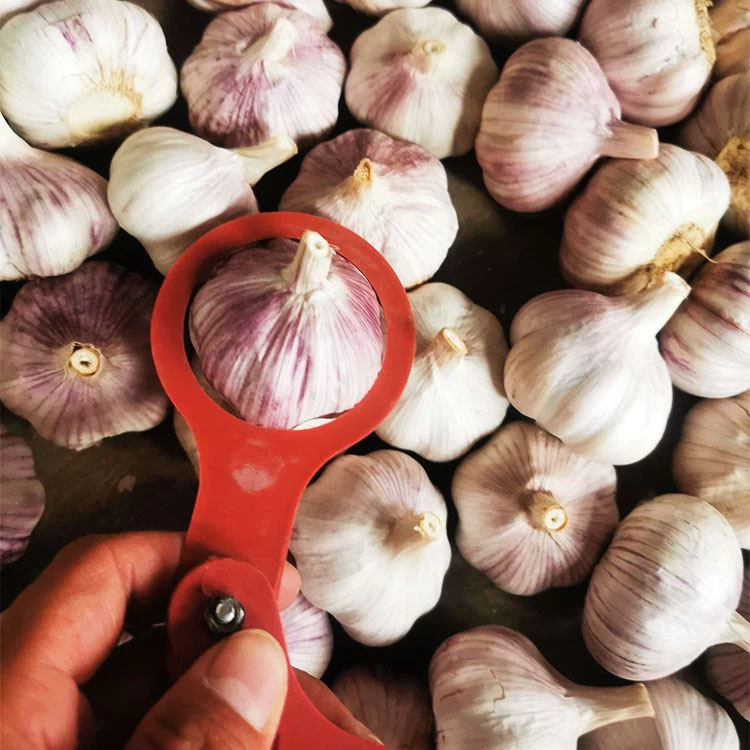
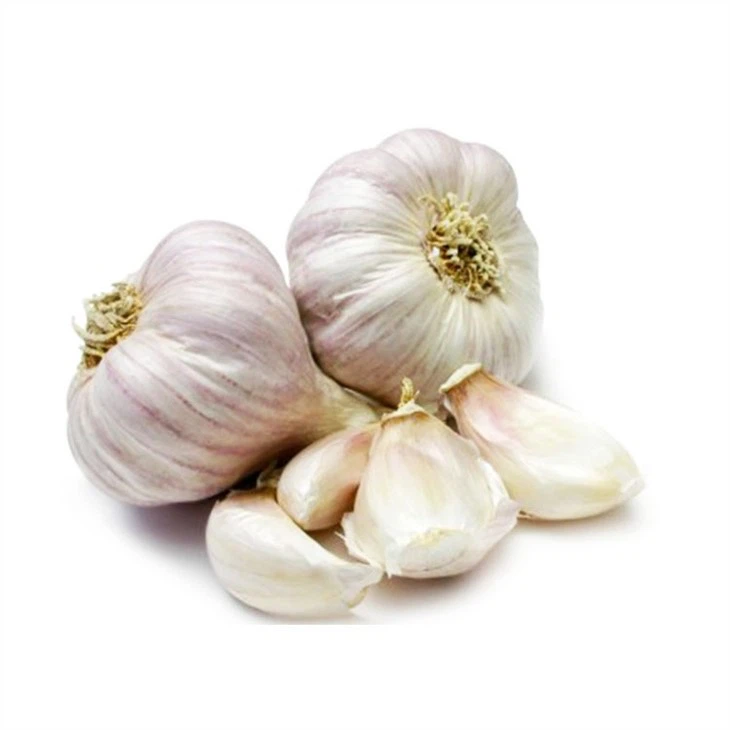
If you're interested in our high - quality fresh garlic products, we offer a variety of options. You can check out our Fresh Garlic in Carton, which is carefully packed to ensure freshness. Our Purely White Fresh Garlic is known for its purity and high allicin content. And our Fresh Natural Pure White Garlic is sourced from the best farms, providing you with the most natural and healthy option.
Precautions
While fresh garlic has many potential benefits for oral health, there are some precautions to take. Garlic can cause irritation in some people, especially if consumed in large amounts or if you have a sensitive mouth. Also, the strong odor of garlic can be a problem, especially in social situations. If you're considering using garlic for oral health, it's a good idea to start with small amounts and see how your body reacts.
Conclusion
In conclusion, fresh garlic has significant potential benefits for oral health. Its antibacterial, antifungal, and anti - inflammatory properties make it a natural option for maintaining a healthy mouth. Whether it's preventing tooth decay, gum disease, or oral fungal infections, fresh garlic can be a valuable addition to your oral health routine.
If you're a retailer, distributor, or simply someone interested in purchasing high - quality fresh garlic for your personal or business needs, we'd love to hear from you. Contact us to start a conversation about procurement and explore the possibilities of working together.
References
- Ankri, S., & Mirelman, D. (1999). Antimicrobial properties of allicin from garlic. Microbes and infection, 1(13), 1257 - 1264.
- Ota, K., & Naito, M. (2000). Antibacterial activity of garlic extract against Streptococcus mutans. Journal of Dental Research, 79(7), 1557 - 1562.
- Tsao, R., & Yin, M. (2001). Antifungal activity of garlic extract against Candida albicans. Journal of Medicinal Food, 4(2), 81 - 85.