
Is Mushroom Grade B rich in protein?
As a supplier of Mushroom Grade B, I often get asked about the nutritional value of our product, especially in terms of protein content. In this blog post, I'll delve into the science behind the protein in Mushroom Grade B and explore its significance in a balanced diet.
Mushrooms, in general, are known for their nutritional benefits. They are low in calories, fat - free, and a good source of various vitamins and minerals. But when it comes to protein, how do Mushroom Grade B stack up?
Let's first understand what Mushroom Grade B is. Grade B mushrooms are typically of a slightly lower quality compared to Grade A in terms of appearance. They may have minor blemishes or be of a less uniform size. However, in terms of nutritional value, they are often just as good as their Grade A counterparts.
When it comes to protein, Mushroom Grade B contains a notable amount. On average, about 3 - 4 grams of protein can be found in a 100 - gram serving of fresh Mushroom Grade B. This might not seem like a huge amount when compared to high - protein foods like meat or beans. But considering that mushrooms are also low in calories, they can be a valuable addition to a diet, especially for vegetarians and vegans.
Proteins are essential macromolecules in our bodies. They play a crucial role in building and repairing tissues, making enzymes and hormones, and supporting a healthy immune system. For individuals looking to increase their protein intake without consuming large amounts of calories or fat, Mushroom Grade B can be a great option.

The protein in Mushroom Grade B is also a source of essential amino acids. Amino acids are the building blocks of proteins, and there are nine essential amino acids that our bodies cannot produce on their own and must obtain from food. While Mushroom Grade B may not contain all nine essential amino acids in the same proportion as a complete protein source like meat, they still contribute a significant amount.
One of the advantages of Mushroom Grade B as a protein source is its versatility. You can incorporate it into a wide variety of dishes. For example, you can sauté them with garlic and olive oil and add them to pasta for a quick and easy protein - rich meal. You can also use them in stir - fries, soups, or omelets.
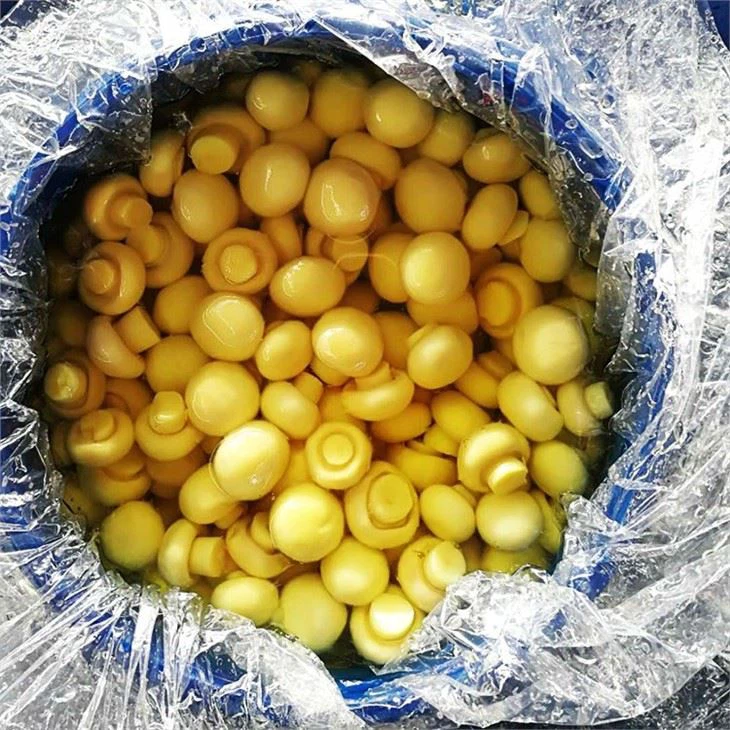
Now, let's talk about some of our related products. If you're interested in preserved mushrooms, we offer Preserved Mushroom in Drum. These are a convenient option as they have a longer shelf - life and can be used in various recipes. Another product is Mushroom in SO2 in Drum, which is preserved using sulfur dioxide to maintain its quality. And for those who prefer a more traditional preservation method, we have Brine Mushrooms. These are soaked in a brine solution, giving them a unique flavor.
When it comes to the protein content in these preserved products, the process of preservation may cause a slight reduction. However, they still retain a significant amount of protein. For instance, in the case of brine - preserved Mushroom Grade B, the protein content might be around 2 - 3 grams per 100 - gram serving. This is still a decent amount, especially considering the added convenience and flavor that preservation brings.
It's important to note that the protein content can also vary depending on the type of mushroom in the Grade B category. Different mushroom species have different nutritional profiles. For example, shiitake mushrooms, which could be part of Mushroom Grade B, are known to have a relatively higher protein content compared to some other common mushroom varieties.
In addition to protein, Mushroom Grade B is also rich in other nutrients. They are a good source of B - vitamins such as riboflavin, niacin, and pantothenic acid. These vitamins are important for energy metabolism and maintaining healthy skin and nerves. Mushrooms also contain minerals like selenium, potassium, and copper. Selenium is an antioxidant that helps protect cells from damage, while potassium is essential for heart health and proper muscle function.
For athletes or those with an active lifestyle, the protein in Mushroom Grade B can be beneficial for muscle recovery. After a strenuous workout, the body needs protein to repair and grow muscle tissue. Incorporating Mushroom Grade B into post - workout meals can help support this process.
When it comes to cooking Mushroom Grade B to retain its protein content, it's best to use gentle cooking methods. Overcooking mushrooms can lead to a loss of nutrients, including protein. Steaming or sautéing at a moderate temperature is recommended. This way, you can enjoy the full nutritional benefits of the mushrooms while also enhancing their flavor.
If you're on a weight - management diet, Mushroom Grade B can be a great addition. Since they are low in calories and high in fiber (which helps you feel full), they can help you control your calorie intake while still providing essential nutrients like protein.
In conclusion, Mushroom Grade B is indeed rich in protein, especially when considering its low - calorie nature. It offers a valuable source of essential amino acids and other important nutrients. Whether you're a vegetarian, a health - conscious individual, or an athlete, Mushroom Grade B can be a great addition to your diet.
If you're interested in purchasing Mushroom Grade B or any of our related products such as Preserved Mushroom in Drum, Mushroom in SO2 in Drum, or Brine Mushrooms, we invite you to reach out for a procurement discussion. We are committed to providing high - quality products and excellent service.
References
- "The Nutritional Value of Mushrooms" - Journal of Food Science and Nutrition
- "Protein Content in Edible Mushroom Varieties" - International Journal of Food Sciences
- "Health Benefits of Mushroom Consumption" - Nutrition Reviews