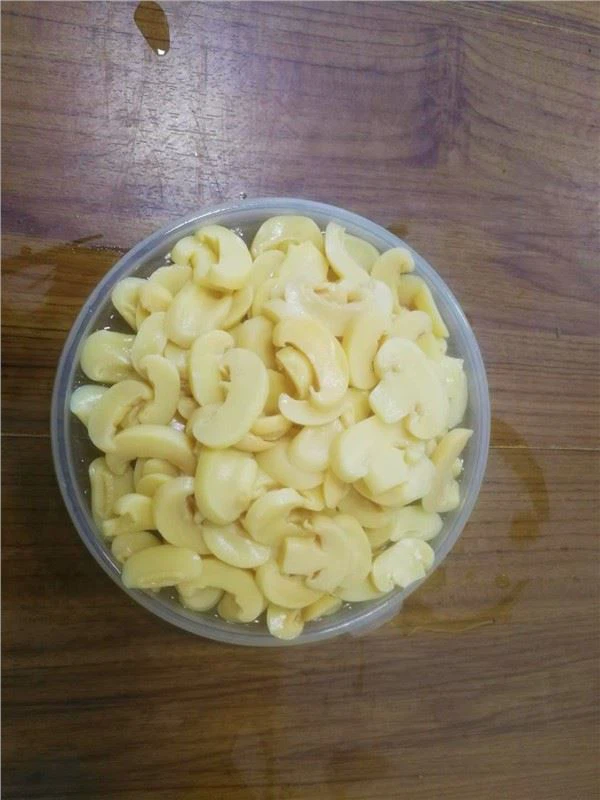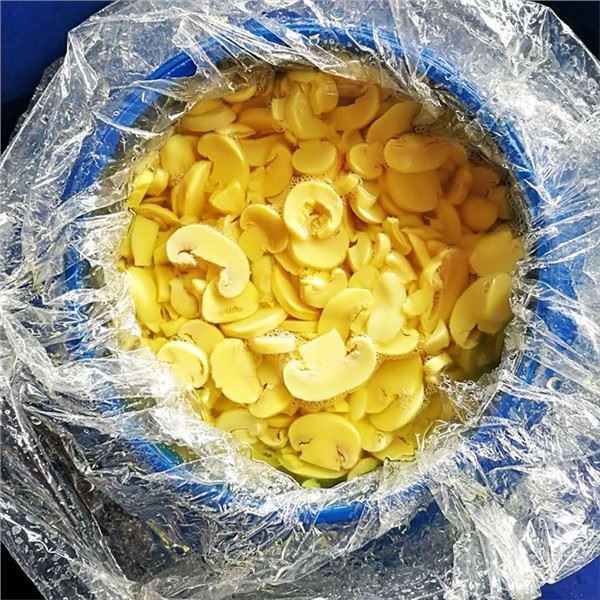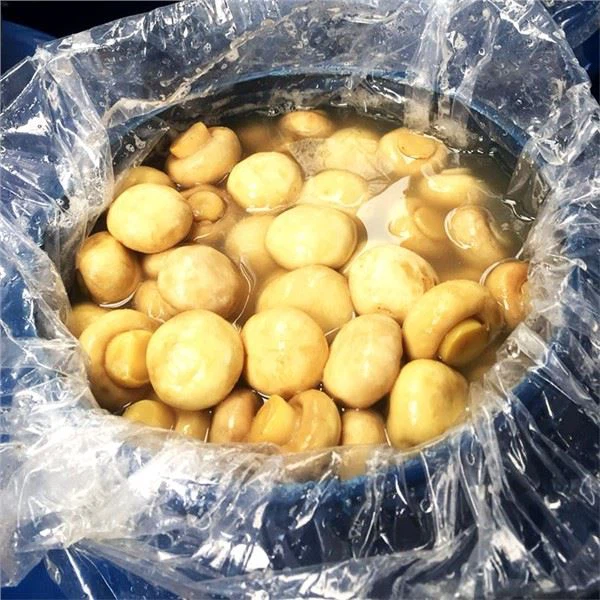

As a supplier of Stropharia In Brine, I've witnessed firsthand the importance of proper brining in maintaining the quality and safety of our product. Brining is a crucial preservation method that not only extends the shelf life of Stropharia mushrooms but also enhances their flavor and texture. However, improper brining can lead to a variety of issues that can compromise the integrity of the product and affect its marketability. In this blog post, I'll discuss some of the signs of improper brining in Stropharia In Brine and how to address them.
Off - Odors
One of the most obvious signs of improper brining is the presence of off - odors. A well - brined Stropharia In Brine should have a clean, slightly salty, and earthy aroma characteristic of the mushrooms. If the product emits a foul, sour, or ammonia - like smell, it could indicate several problems.
Bacterial contamination is a common cause of off - odors. When the brining process doesn't use the correct salt concentration or proper sanitation procedures, bacteria can thrive. For example, if the salt concentration is too low, it won't effectively inhibit the growth of spoilage bacteria. These bacteria can break down the organic matter in the mushrooms, producing unpleasant by - products that result in the off - odor.
Another possible cause is the growth of mold. Mold can develop if the brining container is not properly sealed or if there are any exposed areas in the brine. Mold can give the Stropharia In Brine a musty or moldy smell, which is a clear indication of improper storage or brining conditions.
Discoloration
Discoloration is another tell - tale sign of improper brining. Stropharia mushrooms in brine should generally maintain their natural color, which is usually a rich brown or reddish - brown. Any significant deviation from this normal color can be a problem.


Oxidation is a common cause of discoloration. If the mushrooms are exposed to air during the brining process, the oxygen can react with the enzymes in the mushrooms, causing them to turn black or brown. This can happen if the brine is not filled to the appropriate level in the container, leaving air pockets.
Chemical reactions can also lead to discoloration. For instance, if the brine contains impurities or if it reacts with the container material, it can cause the mushrooms to change color. Some metals in the container can react with the brine and the mushrooms, resulting in a greenish or bluish discoloration.
Soft or Mushy Texture
Properly brined Stropharia mushrooms should have a firm yet slightly tender texture. If the mushrooms are soft or mushy, it's likely that something went wrong during the brining process.
Over - brining can be a culprit. If the mushrooms are left in the brine for too long, the high salt concentration can break down the cell walls of the mushrooms, causing them to lose their structure and become soft. On the other hand, under - brining can also lead to a soft texture. Without enough salt to preserve the mushrooms, they can start to decompose, becoming mushy as a result.
Temperature can also play a role. If the brining process is carried out at too high a temperature, it can accelerate the breakdown of the mushroom tissue, leading to a soft and mushy texture.
Unusual Taste
The taste of Stropharia In Brine should be a harmonious blend of the natural mushroom flavor and the saltiness of the brine. Any unusual or unpleasant taste is a sign of improper brining.
Excessive saltiness can be a problem. If the salt concentration in the brine is too high, the mushrooms will absorb too much salt, making them overly salty and unpalatable. This can happen if the brine is not properly measured or if the brining time is too long.
On the other hand, a lack of flavor can also indicate improper brining. If the salt concentration is too low or if the brine doesn't contain enough flavor - enhancing ingredients, the mushrooms may taste bland. Additionally, if there are any contaminants in the brine, they can impart a bitter or metallic taste to the mushrooms.
Gas Production
The presence of gas bubbles in the brine or container is another sign of improper brining. Gas production can be caused by the fermentation of the mushrooms by bacteria or yeast.
Bacterial fermentation occurs when the brining conditions are not optimal for inhibiting bacterial growth. Some bacteria can ferment the carbohydrates in the mushrooms, producing carbon dioxide gas as a by - product. This can cause the container to bulge or the brine to bubble.
Yeast fermentation can also happen if the brine is contaminated with yeast. Yeast can ferment the sugars in the mushrooms, resulting in the production of gas. This is often accompanied by a sweet or alcoholic smell, as yeast fermentation can produce alcohol as well.
Addressing the Issues
If you notice any of these signs of improper brining in your Stropharia In Brine, it's important to take action immediately. First, you need to identify the root cause of the problem. If it's a matter of incorrect salt concentration, you can adjust the brine by adding more salt or diluting it as necessary.
For issues related to contamination, you may need to discard the affected product and thoroughly clean and sanitize the brining containers. Make sure to follow strict sanitation procedures during the brining process, including using clean equipment and properly sealing the containers.
To prevent oxidation and discoloration, ensure that the brine completely covers the mushrooms and that there are no air pockets in the container. You can also add antioxidants to the brine to help prevent oxidation.
In terms of texture and taste, you can adjust the brining time and temperature to ensure that the mushrooms are brined to the right consistency and flavor. Experiment with different brine recipes to find the optimal balance of salt and other flavoring agents.
Our Commitment as a Supplier
As a Stropharia In Brine supplier, we are committed to providing the highest quality product. We follow strict quality control measures throughout the brining process to ensure that our customers receive Stropharia In Brine that is free from the signs of improper brining.
We carefully monitor the salt concentration, temperature, and sanitation of our brining operations. Our team of experts regularly inspects the products to detect any potential issues early on. We also use high - quality containers that are resistant to chemical reactions and air penetration to prevent discoloration and oxidation.
In addition to Stropharia In Brine, we also offer other mushroom products such as Nameko Mushroom in Brine, Whole Mushroom in Brine, and Salted Champignon Mushroom. All of our products are produced with the same level of care and attention to detail.
Contact Us for Procurement
If you're interested in purchasing our Stropharia In Brine or any of our other mushroom products, we invite you to contact us for procurement. Our team is ready to discuss your specific requirements and provide you with the best possible solutions. Whether you're a restaurant owner, a food distributor, or a retailer, we can offer you high - quality products at competitive prices.
References
- Fennell, D. S., & Hocking, A. D. (2005). Food Mycology: A Multidisciplinary Approach. Springer.
- Jay, J. M., Loessner, M. J., & Golden, D. A. (2005). Modern Food Microbiology. Aspen Publishers.
- Smith, J. E., & Henderson, R. M. (2004). Mycotoxins and Food Safety. CRC Press.