
Hey there! As a supplier of Garlic In Brine, I often get asked about the acidity level of garlic in brine. It's a pretty important topic, especially for those who are into food preservation, cooking, or just curious about the science behind their favorite pickled foods. So, let's dive right in and explore what the acidity level of garlic in brine really means.
First off, what's brine? Brine is basically a solution of salt and water, and sometimes it also includes vinegar or other acids. When we talk about garlic in brine, we're referring to garlic cloves that have been soaked or preserved in this brine solution. The brine not only helps to preserve the garlic but also gives it a unique flavor.
The acidity level of a substance is measured on the pH scale, which ranges from 0 to 14. A pH of 7 is considered neutral, below 7 is acidic, and above 7 is alkaline. For garlic in brine, the acidity level is crucial because it affects both the safety and the taste of the product.
Why Acidity Matters for Garlic in Brine
Safety
One of the main reasons acidity is so important is safety. Low-acid foods, like fresh garlic, can be a breeding ground for harmful bacteria, especially Clostridium botulinum, which causes botulism. This bacterium thrives in anaerobic (oxygen-free) environments, like a sealed jar of garlic. However, when the acidity is high enough (a low pH), it can inhibit the growth of these dangerous bacteria.
The USDA recommends that for home canning of garlic in brine, the pH should be below 4.6 to ensure safety. This is typically achieved by adding vinegar or other acids to the brine. Commercially, we follow strict guidelines to make sure our garlic in brine meets these safety standards.
Taste
Acidity also plays a huge role in the taste of garlic in brine. The right level of acidity can enhance the flavor of the garlic, giving it a tangy, zesty kick. It can balance out the natural pungency of the garlic and make it more palatable. Different levels of acidity can create different flavor profiles, from a mild, slightly acidic taste to a more intense, sour flavor.
Factors Affecting the Acidity Level of Garlic in Brine
Type of Acid Used
The type of acid added to the brine can have a big impact on the acidity level. Vinegar is one of the most common acids used in making garlic in brine. There are different types of vinegar, such as white vinegar, apple cider vinegar, and rice vinegar, each with its own acidity level and flavor. White vinegar is usually the most acidic, with a pH of around 2.4, while apple cider vinegar has a slightly higher pH, around 3.3.
Concentration of Acid
The amount of acid added to the brine is also crucial. A higher concentration of acid will result in a lower pH and a more acidic product. However, too much acid can make the garlic taste overly sour and unpleasant. Finding the right balance is key.
Garlic-to-Brine Ratio
The ratio of garlic to brine can affect the acidity level as well. If there's too much garlic and not enough brine, the acid may not be evenly distributed, and some areas may have a lower acidity level, increasing the risk of spoilage.
Measuring the Acidity Level of Garlic in Brine
To ensure the safety and quality of our garlic in brine, we use a pH meter to measure the acidity level. A pH meter is a device that gives a precise reading of the pH of a solution. We take samples from different batches of our garlic in brine and measure the pH to make sure it falls within the safe and desirable range.

Our Products and Their Acidity Levels
We offer a variety of garlic in brine products, each with its own unique acidity level and flavor profile.
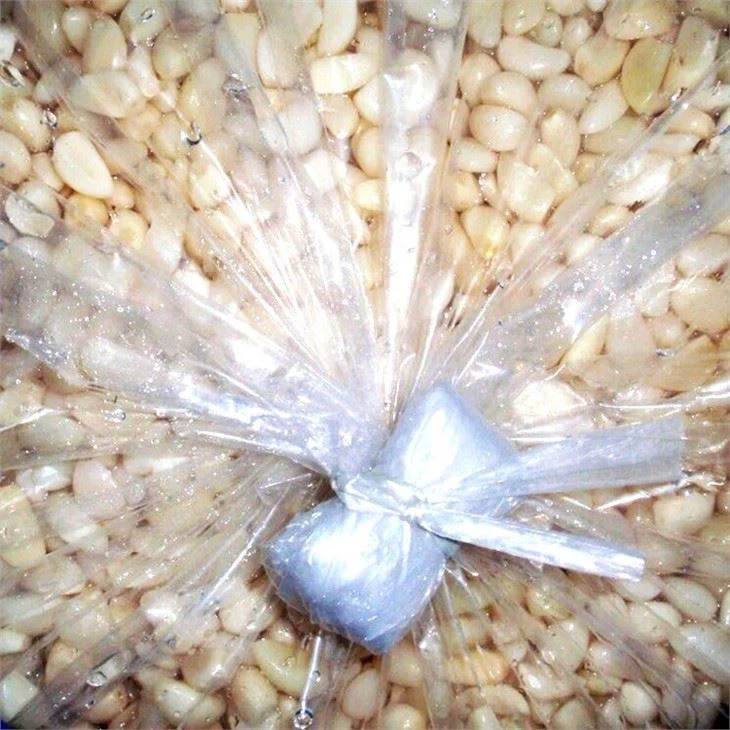
- Fresh Garlic In Brine In Drums: These are fresh garlic cloves preserved in a brine solution. The acidity level is carefully adjusted to maintain the freshness and flavor of the garlic while ensuring safety. The pH of our fresh garlic in brine typically ranges from 3.5 to 4.2, which gives it a nice, mild tang.
- Preserved Garlic In Brine In Drums: Our preserved garlic in brine has a slightly higher acidity level, with a pH between 3.2 and 3.8. This higher acidity helps to preserve the garlic for a longer period and gives it a more intense flavor.
- Pickled Garlic Clove in Brine: The pickled garlic cloves are known for their strong, tangy flavor. The acidity level of our pickled garlic clove in brine is around 3.0 to 3.5, which makes them perfect for adding a punch of flavor to salads, sandwiches, or as a snack on their own.
How to Use Garlic in Brine Based on Acidity
The acidity level of garlic in brine can also influence how you use it in your cooking.
- Mildly Acidic Garlic in Brine: If you have garlic in brine with a mild acidity level, it's great for adding a subtle flavor to dishes. You can use it in soups, stews, or sauces without overpowering the other ingredients.
- Highly Acidic Garlic in Brine: For a more intense flavor, highly acidic garlic in brine is perfect for pickling recipes, marinades, or as a topping for pizzas and burgers.
Contact Us for Purchase and More Information
If you're interested in purchasing our garlic in brine products, we'd love to hear from you. Whether you're a restaurant owner looking to add some unique flavors to your menu, a food manufacturer in need of high-quality ingredients, or just a home cook who loves pickled foods, we have the right product for you.
Feel free to reach out to us to discuss your specific needs, ask questions about our products, or get a quote. We're here to help you find the perfect garlic in brine solution for your business or kitchen.
References
- United States Department of Agriculture (USDA). (2023). Home Canning: Guide to Canning Vegetables.
- National Center for Home Food Preservation. (2023). Principles of Home Canning.