
Hey there, fellow foodies and mushroom lovers! As a supplier of mushrooms in brine, I often get asked about the difference between mushrooms in brine and those in vinegar. It's a great question, and today, I'm gonna break it down for you.
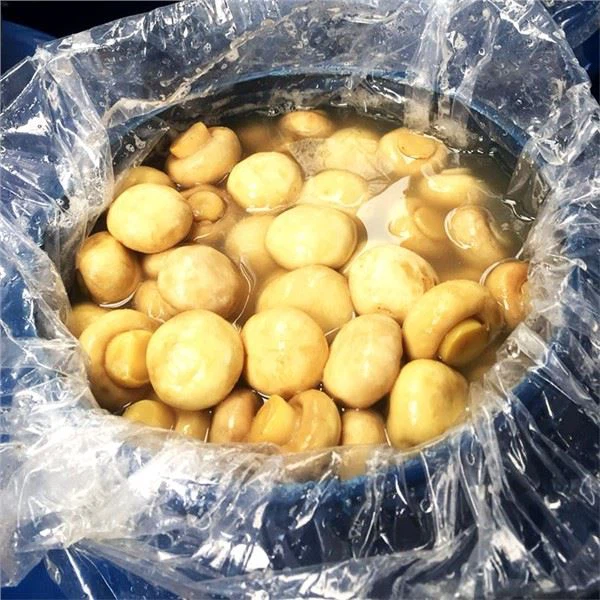
Let's start with mushrooms in brine. Brine is basically a solution of salt and water. When mushrooms are preserved in brine, they soak up that salty goodness, which helps to preserve them and also gives them a distinct flavor. The salt in the brine acts as a natural preservative, preventing the growth of bacteria and other microorganisms that could spoil the mushrooms.
One of the big advantages of mushrooms in brine is their versatility. They can be used in a wide variety of dishes. You can add them to pasta sauces for an extra umami kick. Just throw a handful of Salted Champignon Mushroom into your tomato sauce while it's simmering, and you'll notice a rich, savory flavor that takes the sauce to the next level. They're also great in stir - fries. Whether you're making a vegetable stir - fry or a meat - based one, the brined mushrooms add a nice crunch and a burst of flavor.
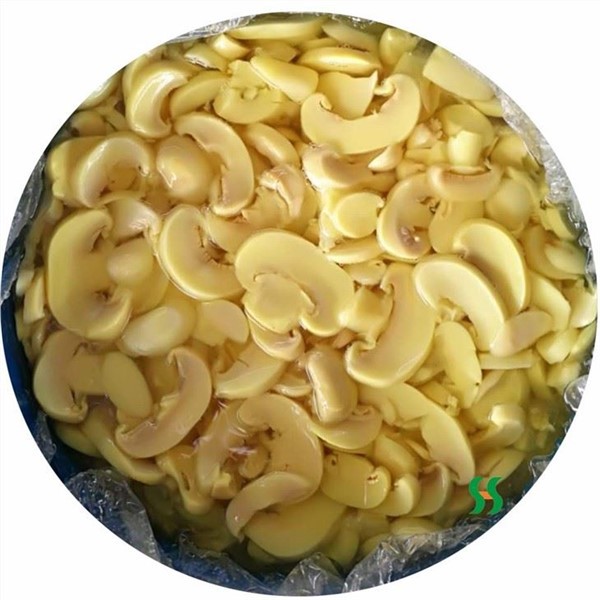
Another thing I love about mushrooms in brine is that they retain a lot of their natural texture. The brining process doesn't make them overly soft or mushy. Instead, they stay firm and have a bit of a bite to them. This makes them perfect for salads too. You can toss some Stropharia in Brine with some fresh greens, a light vinaigrette, and maybe some cheese, and you've got a delicious and healthy salad in no time.
Now, let's talk about mushrooms in vinegar. Vinegar has a much stronger and more acidic flavor compared to brine. When mushrooms are pickled in vinegar, they take on that sharp, tangy taste. The acidic nature of vinegar also acts as a preservative, but it gives the mushrooms a completely different profile.
Mushrooms in vinegar are often used in more specific types of dishes. They're great for adding a zesty element to sandwiches. For example, you can layer some vinegar - pickled mushrooms on a turkey or ham sandwich. The tangy mushrooms cut through the richness of the meat and add a refreshing flavor. They're also commonly used in antipasto platters. Alongside olives, cheeses, and cured meats, the vinegar - pickled mushrooms bring a bright, acidic note to the platter.
However, the texture of mushrooms in vinegar can be a bit different from those in brine. The acid in the vinegar can sometimes make the mushrooms a little softer and more pliable. While this isn't necessarily a bad thing, it might not be the best choice if you're looking for a firm - textured mushroom in your dish.
In terms of appearance, mushrooms in brine usually maintain a more natural color. They might have a slight tint from the brine, but overall, they look pretty close to how they would fresh. On the other hand, mushrooms in vinegar can take on a darker, more translucent appearance. The vinegar seeps into the mushrooms and changes their color slightly.

When it comes to shelf - life, both types of preserved mushrooms have a long shelf - life. But mushrooms in vinegar, due to their high acidity, can sometimes last even longer without refrigeration. However, I always recommend keeping them in the fridge once they're opened to maintain their quality.
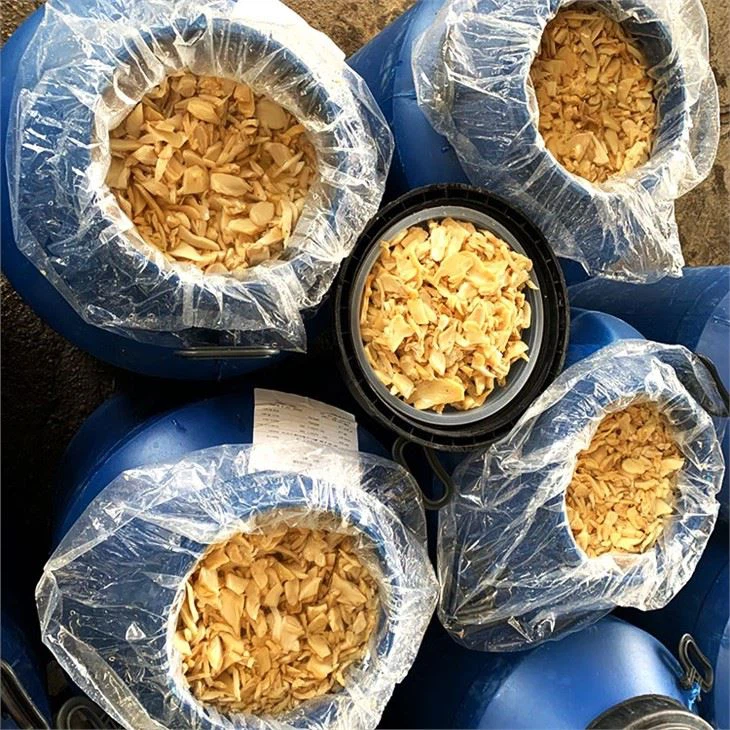
As a supplier of mushrooms in brine, I can tell you that our King Oyster Mushroom in Drum is a customer favorite. These large, meaty mushrooms are perfect for grilling or roasting after being taken out of the brine. You can marinate them in a bit of olive oil, garlic, and herbs, and then throw them on the grill for a few minutes on each side. The result is a delicious, savory treat that can be served as a side dish or even as a main course for vegetarians.
If you're a chef, a home cook, or a food business owner, I encourage you to consider our mushrooms in brine for your dishes. They offer a unique flavor and texture that can enhance a wide range of recipes. Whether you're looking to add some depth to a sauce, a bit of crunch to a salad, or a savory element to a stir - fry, our mushrooms in brine are the way to go.
If you're interested in purchasing our mushrooms in brine, I'd love to talk to you. Just reach out, and we can discuss your specific needs, quantities, and pricing. I'm always happy to help you find the perfect mushrooms for your culinary creations.
References
"Food Preservation Techniques: Brining and Pickling" - Food Science Journal
"The Art of Cooking with Preserved Mushrooms" - Gastronomy Magazine