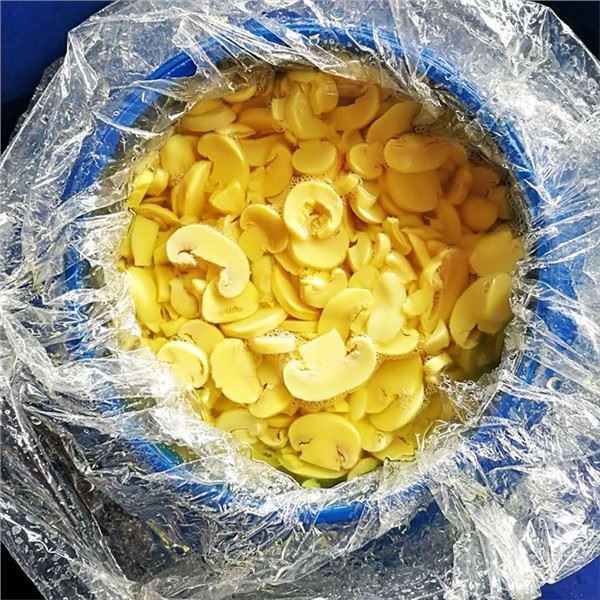

Sulfur dioxide (SO2) is a well - known chemical compound that has been used in various industries for different purposes. As a supplier of Mushroom In SO2 In Drum, I have witnessed firsthand the effects of SO2 on mushrooms stored in drums. In this blog, I will explore the impact of SO2 on mushrooms in a drum environment, shedding light on both the positive and negative aspects.
Positive Effects of SO2 on Mushrooms in a Drum
Preservation
One of the most significant positive effects of SO2 on mushrooms in a drum is its preservative properties. SO2 acts as an antioxidant and antimicrobial agent. Mushrooms are highly perishable products. They are prone to spoilage due to the growth of microorganisms such as bacteria, yeasts, and molds. When SO2 is added to the drum containing mushrooms, it inhibits the growth of these spoilage - causing organisms.
The sulfur dioxide gas dissolves in the water present on the surface of the mushrooms, forming sulfurous acid (H2SO3). This acid creates an acidic environment that is unfavorable for the survival and growth of many microorganisms. As a result, the shelf - life of the mushrooms is extended. For example, in the absence of SO2, fresh mushrooms may start to show signs of decay within a few days, while those treated with an appropriate amount of SO2 can remain in good condition for weeks or even months in a drum. This is extremely beneficial for us as a supplier, as it allows us to store and transport the mushrooms over longer distances without significant losses due to spoilage.
Color Retention
Mushrooms have a natural tendency to discolor over time, especially when exposed to oxygen. Enzymatic browning is a common phenomenon in mushrooms, which is caused by the oxidation of phenolic compounds in the presence of the enzyme polyphenol oxidase. SO2 inhibits this enzymatic activity. By reducing the oxidation of phenolic compounds, SO2 helps to maintain the natural color of the mushrooms.
Consumers often prefer mushrooms with a bright and uniform color. Our Mushroom Grade A products, which are treated with SO2 in drums, retain their appealing color, making them more marketable. The white or light - colored appearance of the mushrooms is preserved, giving the impression of freshness and high quality.
Texture Maintenance
SO2 can also play a role in maintaining the texture of mushrooms. Mushrooms have a delicate structure, and they can become soft and mushy during storage. The sulfur dioxide treatment helps to prevent the breakdown of the cell walls of the mushrooms. It can cross - link the proteins in the mushroom cells, providing some structural stability. This means that the mushrooms in the drum are less likely to lose their firmness and become unappetizing. As a result, when the mushrooms are finally used in cooking, they have a better texture, which is an important factor for consumers.
Negative Effects of SO2 on Mushrooms in a Drum
Residue Concerns
One of the main negative aspects of using SO2 on mushrooms in a drum is the potential for sulfur dioxide residues. Excessive amounts of SO2 residues in mushrooms can be a health concern for consumers. Some people are sensitive or allergic to sulfur dioxide, and consuming mushrooms with high SO2 residues can cause adverse reactions such as respiratory problems, skin rashes, and gastrointestinal issues.


As a responsible supplier, we are aware of these concerns and strictly follow the regulations regarding the maximum allowable levels of SO2 residues in mushrooms. We conduct regular tests to ensure that the SO2 levels in our Chinese Preserved Champignon in Barrel and other products are within the safe limits. However, there is still a perception among some consumers that sulfur - treated mushrooms may not be as healthy as those without SO2 treatment.
Flavor Alteration
Another drawback of using SO2 on mushrooms is the potential for flavor alteration. While SO2 can help preserve the mushrooms, it can also impart a slightly "sulfurous" or "chemical" taste to them. This is especially noticeable if the SO2 concentration is too high or if the mushrooms are not properly rinsed before cooking.
As a supplier, we strive to find the right balance between preservation and flavor. We use the minimum amount of SO2 necessary to achieve the desired preservation effects. Additionally, we provide instructions to our customers on how to properly rinse the mushrooms to reduce the sulfurous taste. For example, soaking the mushrooms in clean water for a certain period and then draining them can significantly reduce the residual SO2 and improve the flavor.
Environmental Impact
The use of SO2 in the preservation of mushrooms in drums also has an environmental impact. Sulfur dioxide is a pollutant that can contribute to acid rain when released into the atmosphere. Although the amount of SO2 used in our drum - stored mushroom products is relatively small, it is still a concern. We are constantly looking for more environmentally friendly alternatives to SO2 or ways to reduce the amount of SO2 used in the preservation process.
Managing the Effects of SO2 on Mushrooms in a Drum
Quality Control
To ensure the best quality of our mushroom products, we have a strict quality control system in place. We carefully monitor the amount of SO2 added to the drums. We use calibrated equipment to measure the concentration of SO2 in the storage environment. Regular sampling and testing of the mushrooms are carried out to check for SO2 residues, microbial contamination, color, and texture. This helps us to maintain consistent product quality and meet the regulatory requirements.
Consumer Education
We also focus on consumer education. We understand that many consumers may have concerns about the use of SO2 in our mushroom products. Therefore, we provide detailed information on our product labels about the use of SO2, its purpose, and the safety measures we take. We also offer cooking tips to help consumers reduce the potential negative effects of SO2, such as proper rinsing and cooking methods.
Research and Development
In order to address the negative effects of SO2, we are actively involved in research and development. We are exploring alternative preservation methods that can achieve similar results without the drawbacks associated with SO2. For example, we are looking into natural antioxidants and antimicrobial agents that can be used in place of or in combination with SO2. This will not only improve the safety and quality of our products but also reduce the environmental impact.
Conclusion
The effects of SO2 on mushrooms in a drum are complex. On one hand, it offers significant benefits in terms of preservation, color retention, and texture maintenance, which are crucial for us as a supplier to ensure the availability of high - quality mushroom products. On the other hand, there are concerns regarding sulfur dioxide residues, flavor alteration, and environmental impact.
As a supplier of Mushroom Agaricus in Conserve and other mushroom products in drums, we are committed to managing these effects. Through strict quality control, consumer education, and continuous research and development, we aim to provide the best possible mushroom products to our customers.
If you are interested in our mushroom products or have any questions about the use of SO2 in our drums, please feel free to contact us for further discussions and procurement negotiations. We look forward to serving you and meeting your mushroom supply needs.
References
- Food and Agriculture Organization of the United Nations. "Sulfur Dioxide in Food Preservation." FAO Food and Nutrition Paper, No. 52.
- International Journal of Food Microbiology. "Effect of Sulfur Dioxide on Microbial Growth and Quality of Mushrooms." Vol. 87, Issues 2 - 3.
- Journal of Agricultural and Food Chemistry. "Impact of Sulfur Dioxide on the Color and Texture of Mushrooms during Storage." Vol. 55, Issue 12.