
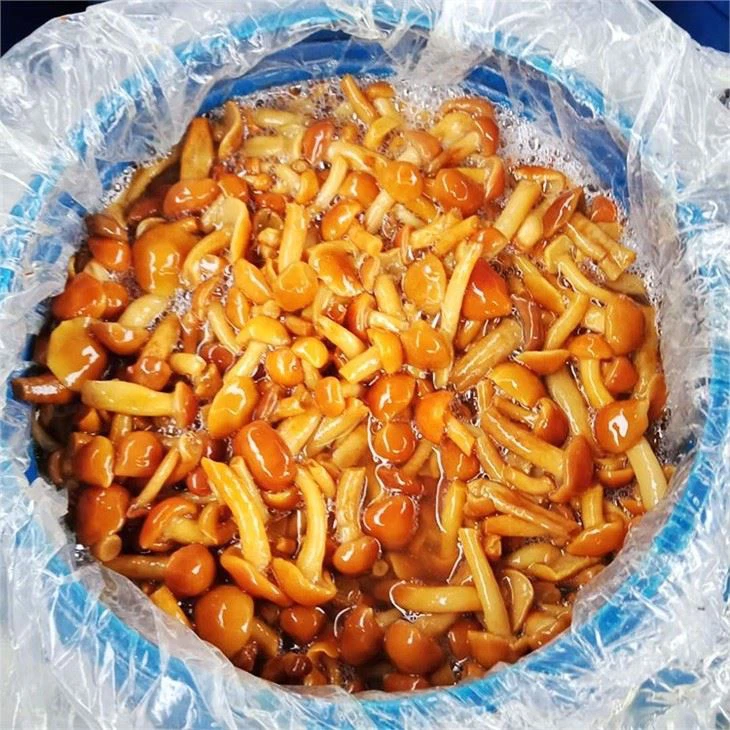
When it comes to the world of preserved mushrooms, Nameko Mushroom In Brine holds a unique place. As a dedicated supplier of Nameko Mushroom In Brine, I've had the privilege of closely examining and understanding the nuances of this product, especially its distinct smell.
The Origin and Basics of Nameko Mushroom In Brine
Nameko mushrooms, scientifically known as Pholiota nameko, are native to East Asia, particularly Japan. These mushrooms are characterized by their small, golden - brown caps with a slightly sticky texture. When preserved in brine, they retain their unique qualities while also developing new flavors and scents.
The process of creating Nameko Mushroom In Brine involves carefully selecting fresh Nameko mushrooms at their prime. These mushrooms are then cleaned thoroughly to remove any dirt or debris. After that, they are immersed in a brine solution, which typically consists of water, salt, and sometimes a small amount of vinegar or other preservatives. The brine serves multiple purposes: it helps to preserve the mushrooms, enhances their flavor, and also contributes to the overall smell.
Analyzing the Smell of Nameko Mushroom In Brine
The smell of Nameko Mushroom In Brine is a complex blend of the natural aroma of the mushrooms themselves and the elements of the brine. At first whiff, you'll notice a faint, earthy scent. This earthiness is a characteristic trait of many mushrooms, as they grow in soil and absorb the minerals and organic matter around them. Nameko mushrooms, with their growth in natural forest environments, carry this earthy undertone in their preserved form as well.
Underneath the earthy aroma, there is a slightly sweet and nutty smell. This sweetness is unique to Nameko mushrooms and is more pronounced when they are in brine. The brine seems to intensify this natural sweetness, making it a more prominent part of the overall scent profile. The nutty aspect adds a depth and richness to the smell, making it more appealing and complex.
The salt in the brine also contributes significantly to the smell. It imparts a clean, sharp note that cuts through the earthy and sweet elements. This saltiness is not overpowering but rather acts as a balancing agent, creating a harmonious blend of scents. It gives the Nameko Mushroom In Brine a fresh, almost ocean - like smell, similar to the scent of sea salt in the air.
In some cases, if a small amount of vinegar is used in the brine, there will be a subtle acidic undertone. This acidity adds a bit of brightness to the smell, making it more refreshing. It also helps to preserve the mushrooms and gives them a tangy edge that complements the other flavors.
Comparing with Other Preserved Mushroom Products
To better understand the smell of Nameko Mushroom In Brine, it's useful to compare it with other preserved mushroom products we offer. Take the King Oyster Mushroom in Drum for example. King oyster mushrooms are much larger and have a meatier texture compared to Nameko mushrooms. Their smell in the drum is more robust and savory. The earthy aroma is stronger, and there is less of the sweet and nutty notes that are prominent in Nameko Mushroom In Brine. The brine used for king oyster mushrooms is often formulated to enhance their natural umami flavor, resulting in a smell that is more focused on the savory aspects.
Another product is the Salted Sliced Mushroom In SO2 In Drum. These mushrooms are usually a blend of different varieties, sliced and preserved with the addition of sulfur dioxide. The smell of this product has a distinct chemical undertone due to the SO2. It also has a more intense saltiness compared to Nameko Mushroom In Brine. The earthy and sweet elements are less pronounced, as the focus is more on preservation and a consistent, salty flavor.
The Shimeji Mushroom in Brine has a smell that is somewhat similar to Nameko Mushroom In Brine in terms of the earthy base. However, shimeji mushrooms have a more delicate and floral aroma on top of the earthiness. The brine for shimeji mushrooms seems to enhance this floral quality, making the smell more fragrant compared to the Nameko variety. The sweet and nutty notes are also present but are less intense than in Nameko Mushroom In Brine.
The Importance of the Smell in the Market
The smell of Nameko Mushroom In Brine plays a crucial role in its marketability. In the food industry, smell is often the first sensory cue that consumers use to evaluate a product. A pleasant and distinctive smell can attract potential buyers and encourage them to try the product. For chefs and food manufacturers, the smell is an important factor in recipe development. The unique combination of earthy, sweet, nutty, and salty scents in Nameko Mushroom In Brine makes it a versatile ingredient. It can be used in a variety of dishes, from soups and stews to stir - fries and even as a topping for pizzas.
Consumers who are familiar with Japanese cuisine are particularly drawn to the smell of Nameko Mushroom In Brine. In Japanese cooking, Nameko mushrooms are highly valued for their flavor and texture. The smell of the preserved mushrooms in brine can evoke memories of traditional Japanese dishes, making it a popular choice for those looking to recreate an authentic Japanese dining experience at home.
Applications in Different Cuisines
In Japanese cuisine, Nameko Mushroom In Brine is a staple ingredient. It is commonly used in miso soup, where the earthy and sweet smell of the mushrooms combines perfectly with the umami - rich miso paste. The saltiness of the brine also helps to balance the flavors of the soup. In hot pots, the mushrooms add a unique aroma and texture, enhancing the overall dining experience.
In Western cuisine, Nameko Mushroom In Brine can be used in a more creative way. For example, it can be added to a creamy mushroom sauce for pasta. The sweet and nutty smell of the mushrooms pairs well with the richness of the cream, creating a luxurious and flavorful sauce. It can also be used in vegetarian dishes as a substitute for meat, adding a meaty texture and a complex smell.
Encouraging Contact for Procurement
If you're a chef, a food manufacturer, or a distributor interested in incorporating Nameko Mushroom In Brine into your products or menu, I invite you to reach out for procurement. Our Nameko Mushroom In Brine is sourced from high - quality mushrooms and prepared with the utmost care to ensure the best flavor and smell. Whether you need a small quantity for a test run or a large - scale supply for your business, we can accommodate your needs. Contact us to start a discussion about how our Nameko Mushroom In Brine can enhance your offerings.
References
- Chang, S. T., & Miles, P. G. (2004). Mushrooms: Cultivation, Nutritional Value, Medicinal Effect, and Environmental Impact. CRC Press.
- Takahashi, K. (2010). Traditional Japanese Food Culture. Kodansha International.
- Smith, J. (2015). The Science of Food Preservation. Academic Press.