
Preserved mushrooms have become a staple in many kitchens around the world, offering convenience and a long shelf - life. As a supplier of preserved mushrooms, I often get asked about their health benefits. So, let's dive deep into the question: Are preserved mushrooms healthy?
Nutritional Value of Preserved Mushrooms
Mushrooms, whether fresh or preserved, are a rich source of essential nutrients. They are low in calories, making them an excellent choice for those watching their weight. A 100 - gram serving of preserved mushrooms typically contains only about 20 - 30 calories. This low - calorie count is accompanied by a good amount of dietary fiber, which aids in digestion and helps maintain a healthy gut.
Preserved mushrooms are also a good source of vitamins and minerals. They are rich in B - vitamins such as riboflavin (B2), niacin (B3), and pantothenic acid (B5). Riboflavin plays a crucial role in energy production and maintaining healthy skin and eyes. Niacin is important for the proper functioning of the nervous system and helps in converting food into energy. Pantothenic acid is involved in various metabolic processes in the body.
In addition to B - vitamins, mushrooms contain minerals like selenium, potassium, and copper. Selenium is a powerful antioxidant that helps protect cells from damage caused by free radicals. Potassium is essential for maintaining proper heart function and regulating blood pressure. Copper is involved in the formation of red blood cells and helps maintain healthy bones and connective tissues.
Preservation Methods and Their Impact on Health
There are several methods of preserving mushrooms, each with its own impact on the nutritional value and healthiness of the final product.
Canning
Canning is one of the most common methods of preserving mushrooms. During the canning process, mushrooms are heated to high temperatures to kill bacteria and other microorganisms. This process can cause some loss of heat - sensitive vitamins, such as vitamin C and some B - vitamins. However, the overall nutritional value of canned mushrooms remains relatively high. Canned mushrooms are often packed in water or brine, which can add a small amount of sodium. People on a low - sodium diet should be cautious when consuming canned mushrooms and look for low - sodium options.
Drying
Drying mushrooms involves removing the moisture from the mushrooms, which inhibits the growth of bacteria and fungi. Dried mushrooms can be rehydrated before use. The drying process can concentrate the nutrients in mushrooms, making them a more nutrient - dense option. Dried mushrooms have a long shelf - life and are a convenient way to add mushrooms to dishes. They are also a good source of umami, a savory flavor that can enhance the taste of many recipes.
Preservation with Sulfur Dioxide (SO2)
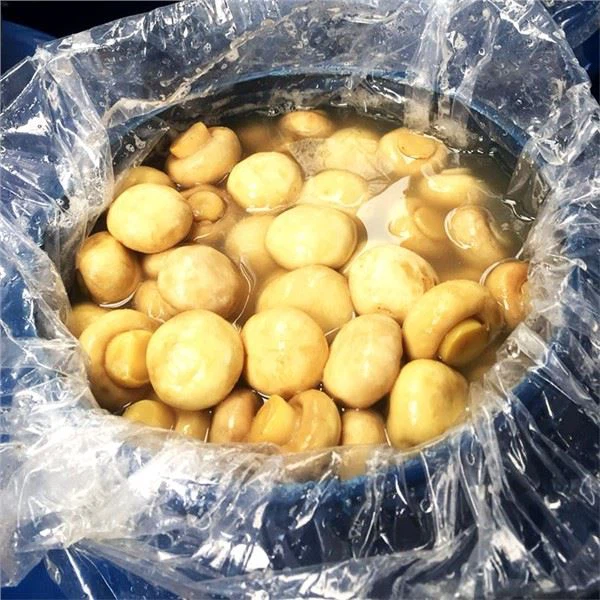
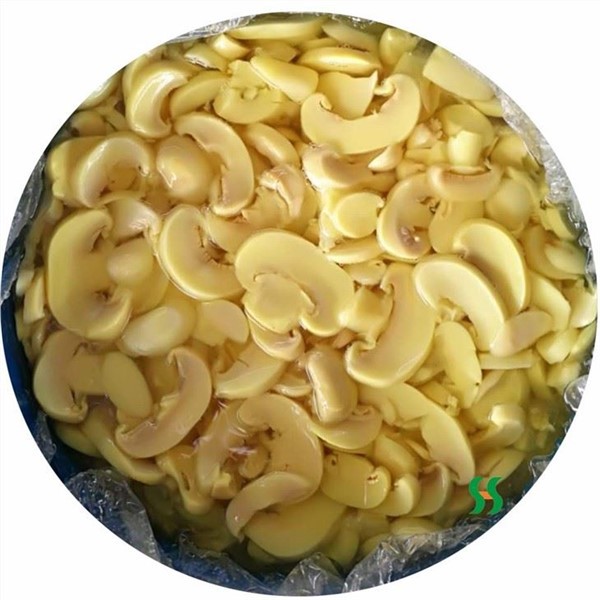
Some preserved mushrooms are treated with sulfur dioxide (SO2) to prevent discoloration and spoilage. Preserved Mushroom in SO2 is a common product in the market. Sulfur dioxide is a preservative that has been used in the food industry for many years. While it is generally recognized as safe by regulatory authorities when used within the permitted limits, some people may be sensitive to sulfur dioxide. Symptoms of sulfur dioxide sensitivity can include respiratory problems, skin rashes, and digestive issues. However, for the majority of people, consuming preserved mushrooms treated with SO2 in moderation is safe. Our 4 - 5cm Fresh Whole Mushroom In SO2 and Sliced Champignon in SO2 in Drum are produced with strict adherence to safety standards to ensure the well - being of consumers.
Health Benefits of Consuming Preserved Mushrooms
Immune System Support
Mushrooms contain bioactive compounds such as polysaccharides, beta - glucans, and ergosterol, which have been shown to have immunomodulatory effects. These compounds can help stimulate the immune system, making the body more resistant to infections and diseases. Regular consumption of preserved mushrooms can contribute to overall immune system health.
Antioxidant Properties
As mentioned earlier, mushrooms are a good source of antioxidants such as selenium and various phenolic compounds. Antioxidants help protect the body from oxidative stress, which is associated with aging, cancer, and other chronic diseases. By consuming preserved mushrooms, you can increase your intake of these beneficial antioxidants.


Heart Health
The potassium and fiber content in preserved mushrooms can have a positive impact on heart health. Potassium helps regulate blood pressure, while fiber can help lower cholesterol levels. Additionally, the low - calorie and low - fat nature of mushrooms makes them a heart - healthy food choice.
Potential Drawbacks of Preserved Mushrooms
While preserved mushrooms offer many health benefits, there are also some potential drawbacks to consider.
High Sodium Content
As mentioned earlier, canned mushrooms and some other preserved mushrooms can be high in sodium, especially if they are packed in brine. Excessive sodium intake is associated with high blood pressure and an increased risk of heart disease. It is important to read the labels carefully and choose low - sodium options whenever possible.
Allergic Reactions
Some people may be allergic to mushrooms. Allergic reactions to mushrooms can range from mild symptoms such as itching and hives to severe reactions such as difficulty breathing and anaphylaxis. If you have a known mushroom allergy, it is important to avoid consuming preserved mushrooms.
Contamination
Although preservation methods are designed to prevent the growth of bacteria and other microorganisms, there is still a risk of contamination if the preservation process is not carried out properly. It is important to purchase preserved mushrooms from reputable suppliers to ensure their safety.
Conclusion
In conclusion, preserved mushrooms can be a healthy addition to your diet. They offer a range of nutrients, including vitamins, minerals, and antioxidants, and can provide several health benefits such as immune system support, heart health, and antioxidant protection. However, it is important to be aware of the potential drawbacks, such as high sodium content and the risk of allergic reactions.
As a supplier of preserved mushrooms, we are committed to providing high - quality products that are both delicious and healthy. We follow strict quality control measures to ensure that our preserved mushrooms meet the highest safety and nutritional standards.
If you are interested in purchasing our preserved mushrooms for your restaurant, grocery store, or personal use, we invite you to contact us for a purchase negotiation. We offer a wide range of preserved mushroom products, including Preserved Mushroom in SO2, 4 - 5cm Fresh Whole Mushroom In SO2, and Sliced Champignon in SO2 in Drum. Our team is ready to assist you in finding the right products to meet your needs.
References
- "The Mushroom Cultivator: A Practical Guide to Growing Mushrooms at Home" by Paul Stamets and J.S. Chilton.
- "Nutritional and Medicinal Value of Mushrooms" in the Journal of Food Science and Technology.
- "Food Preservation: Principles and Practices" by M.S. Rahman.