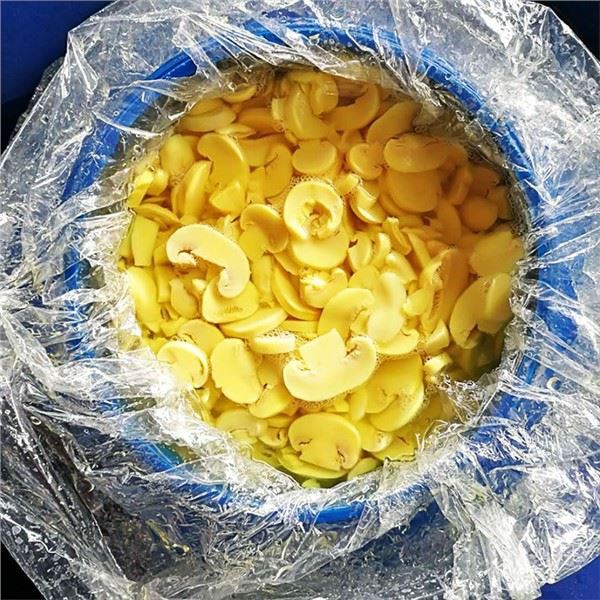

Hey there! As a supplier of Garlic Cloves In Brine, I often get asked a bunch of questions about our product. One question that pops up quite a bit is, "Can I freeze garlic cloves in brine?" Well, let's dive right into it and find out.
First off, let's talk about what garlic cloves in brine are. We offer different types like Preserved Garlic In Brine In Drums, Fresh Raw Garlic in Brine, and Salted Garlic Cloves In Brine In Drum. These are basically garlic cloves that are stored in a salt - water solution, which helps preserve them and gives them a unique flavor.
Now, onto the big question: can you freeze garlic cloves in brine? The short answer is yes, you can. But there are some things you need to know before you go tossing your garlic in the freezer.
The Science Behind Freezing Garlic in Brine
When you freeze anything, you're essentially changing the state of water in it from a liquid to a solid. Garlic cloves in brine have water in both the cloves themselves and in the brine. As the water freezes, it expands. This expansion can have some effects on the texture of the garlic cloves.
The brine itself has a lower freezing point than pure water because of the salt. This means that it might take a bit longer to freeze compared to just plain water. The salt also acts as a kind of natural preservative, which can help protect the garlic during the freezing process.
How Freezing Affects the Texture of Garlic Cloves
One of the main things you'll notice after freezing garlic cloves in brine is a change in texture. The cells in the garlic cloves can rupture due to the expansion of the frozen water. This can make the cloves a bit softer and mushier once they thaw. The cloves might lose some of their crunch, but they'll still be usable.
The flavor, on the other hand, usually remains pretty intact. The brine helps lock in the garlic's natural flavor, and the freezing process doesn't really affect it too much. So, if you're using the garlic for cooking where texture isn't super crucial, like in soups, stews, or sauces, frozen garlic cloves in brine will work just fine.
Steps to Freeze Garlic Cloves in Brine
If you've decided to give it a go and freeze your garlic cloves in brine, here's how you can do it:
- Choose the Right Container: You'll want to use a container that can withstand freezing. Plastic freezer bags or air - tight plastic containers are great options. Make sure to leave some room at the top because, as I mentioned earlier, the brine and garlic will expand as they freeze.
- Prepare the Garlic and Brine: If your garlic cloves are already in brine, you can just transfer them directly to the container. If not, you can make your own brine by dissolving about 1 - 2 tablespoons of salt per cup of water. Pour the brine over the garlic cloves in the container.
- Seal and Label: Seal the container tightly and label it with the date. This way, you'll know how long it's been in the freezer.
- Freeze: Place the container in the freezer. It might take a few hours for the garlic and brine to freeze completely, depending on the size of the container and your freezer's temperature.
Thawing Frozen Garlic Cloves in Brine
When you're ready to use your frozen garlic cloves in brine, you need to thaw them properly. The best way to do this is to transfer the container from the freezer to the refrigerator and let it thaw slowly overnight. This gradual thawing helps preserve as much of the texture as possible.
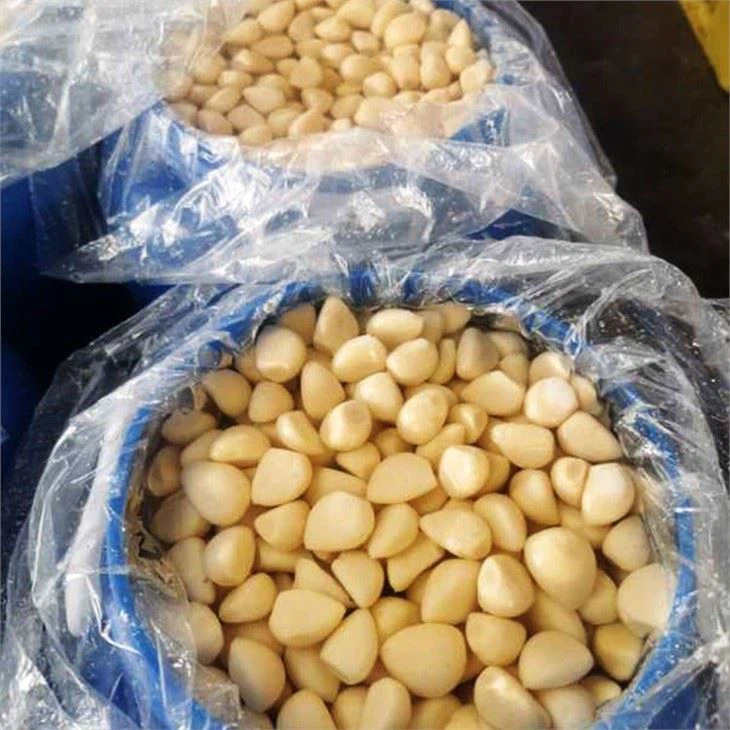

If you're in a hurry, you can also thaw the garlic cloves in a bowl of cold water. Just make sure to change the water every 30 minutes to keep it cold. Avoid using hot water or the microwave to thaw the garlic, as this can cause uneven thawing and might make the cloves even mushier.
Uses for Frozen Garlic Cloves in Brine
As I mentioned before, frozen garlic cloves in brine are great for cooking. Here are some ways you can use them:
- Soups and Stews: Add the thawed garlic cloves to your favorite soup or stew recipes. They'll add a delicious garlic flavor without you having to worry about chopping fresh garlic.
- Sauces: You can puree the thawed garlic cloves and use them in tomato sauces, pesto, or other types of sauces.
- Marinades: Incorporate the garlic into marinades for meats, poultry, or vegetables. The brine will also add a bit of saltiness to the marinade.
Potential Drawbacks
While freezing garlic cloves in brine has its benefits, there are also some potential drawbacks. As I've said, the texture change can be a bit off - putting for some people. Also, if you don't store the garlic properly in the freezer, it can develop freezer burn. Freezer burn can make the garlic taste stale and lose some of its flavor.
Another thing to keep in mind is that freezing and thawing can cause some of the nutrients in the garlic to break down. However, garlic is still a great source of antioxidants and other beneficial compounds even after freezing.
Conclusion
So, can you freeze garlic cloves in brine? Absolutely! It's a great way to preserve your garlic for longer periods. Just be aware of the texture changes and follow the proper freezing and thawing methods. Whether you're a home cook looking to have some garlic on hand or a business interested in our Preserved Garlic In Brine In Drums, Fresh Raw Garlic in Brine, or Salted Garlic Cloves In Brine In Drum, freezing can be a useful option.
If you're interested in purchasing our high - quality garlic cloves in brine, we'd love to hear from you. Reach out to us to start a conversation about your procurement needs. We're here to provide you with the best garlic products in the market.
References
- "The Science of Freezing Foods" by Food Science Today
- "Garlic: Nutrition and Health Benefits" by Health and Wellness Journal