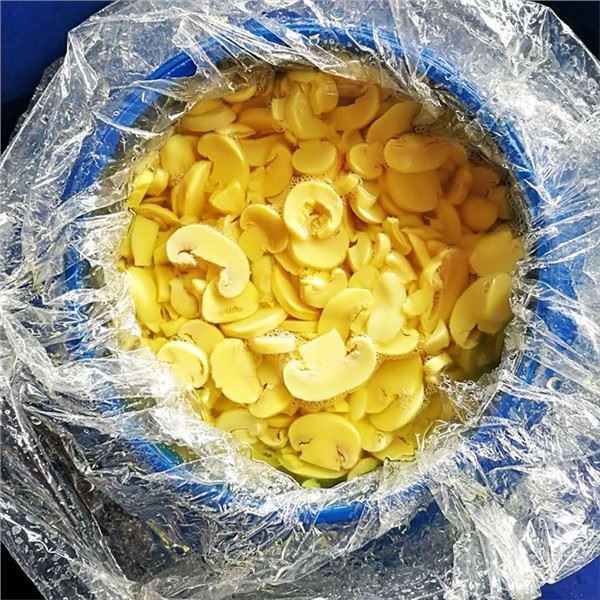

As a supplier of Stropharia In Brine, I understand the importance of proper storage for maintaining the quality and freshness of these delicious mushrooms. In this blog, I'll share some key strategies and considerations for storing Stropharia In Brine effectively, drawing on my experience in the industry.
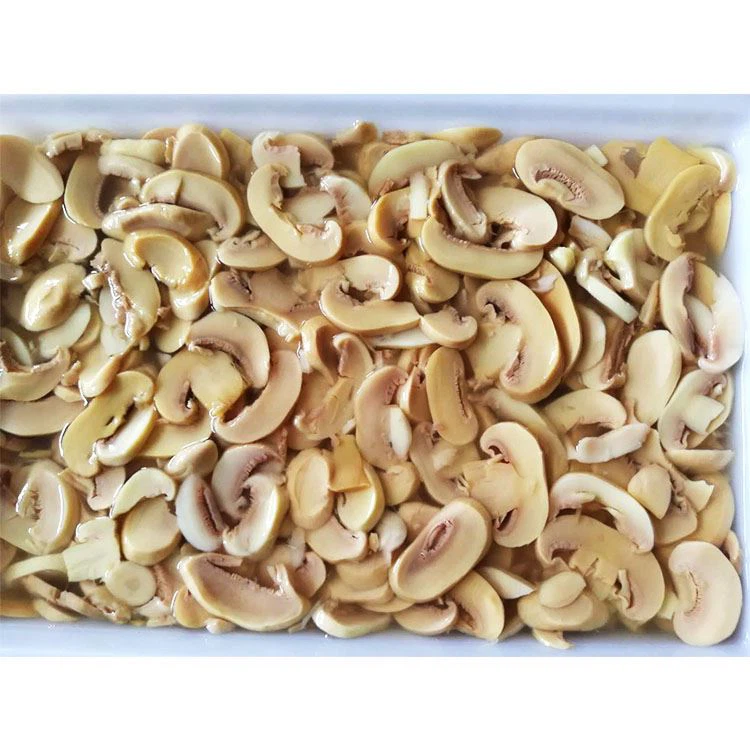

Understanding the Nature of Stropharia In Brine
Stropharia mushrooms, when preserved in brine, have a unique set of characteristics that affect their storage requirements. The brine not only acts as a preservative but also influences the texture and flavor of the mushrooms over time. The composition of the brine, including its salt concentration and any added preservatives, plays a crucial role in determining how long the mushrooms can be stored without deteriorating.
Selecting the Right Containers
The choice of storage containers is paramount in ensuring the longevity of Stropharia In Brine. Opt for food - grade containers that are airtight and resistant to corrosion. Plastic drums or glass jars are popular choices. Plastic drums are durable, lightweight, and easy to handle, making them suitable for bulk storage. Our Premium Mushroom Brine In Drum In SO2 is stored in high - quality drums that meet the strictest industry standards.
When using glass jars, ensure they have tight - fitting lids to prevent air from entering. The transparency of glass allows for easy visual inspection of the mushrooms, enabling you to detect any signs of spoilage early on.
Storage Temperature
Temperature control is one of the most critical factors in storing Stropharia In Brine. These mushrooms should be stored at a cool and consistent temperature. A temperature range of 2 - 4°C (36 - 39°F) is ideal. This low temperature slows down the growth of microorganisms and enzymatic activity, which can cause spoilage and degradation of the mushrooms.
If you don't have access to a commercial refrigerator, you can use a well - insulated cooler with ice packs to maintain the appropriate temperature for short - term storage. However, for long - term storage, a refrigerated warehouse or a commercial cooler is the best option.
Monitoring the Brine
Regularly check the brine in which the Stropharia mushrooms are stored. The brine should have the right salt concentration to keep the mushrooms preserved. Over time, the salt may dissolve unevenly, or the brine may lose its effectiveness due to evaporation or contamination.
If the brine level drops, top it up with a solution of the same salt concentration. Monitor for any signs of cloudiness, mold growth, or off - odors in the brine. These can be indicators of spoilage, and if detected, the mushrooms should be inspected carefully and, if necessary, discarded.
Handling and Hygiene
Maintaining high standards of hygiene during the storage process is essential. Before handling the Stropharia In Brine, make sure your hands are clean and dry. Use clean utensils when removing mushrooms from the storage containers to prevent introducing contaminants.
The storage area should be clean and free from debris, pests, and other potential sources of contamination. Regularly clean the storage containers and the surrounding area to minimize the risk of spoilage.
Shelf Life Considerations
The shelf life of Stropharia In Brine can vary depending on the storage conditions. Under optimal conditions, these mushrooms can be stored for up to 12 months. However, it's important to regularly check the expiration date on the labels if you're supplying pre - packaged Stropharia In Brine.
If you notice any signs of spoilage, such as a change in color, texture, or odor, it's best to discard the affected mushrooms immediately to prevent the spread of contamination to other mushrooms in the batch.
Comparing with Other Mushrooms in Brine
There are many other types of mushrooms that are also preserved in brine. For instance, Shiitake Mushroom in Brine, Sliced Champignon in Brine, Sliced Mushroom in Brine, and Mushroom in Brine in 50kg Drum. While the general principles of storage apply to all these mushrooms, there may be some differences in their specific requirements.
Shiitake mushrooms, for example, have a more robust flavor and texture compared to Stropharia mushrooms. They may require a slightly different brine composition and storage temperature to maintain their quality. Champignon mushrooms, on the other hand, are more delicate and may be more sensitive to changes in storage conditions.
Safety First
When storing Stropharia In Brine, safety should always be your top priority. Make sure to label the storage containers clearly with the date of storage, batch number, and expiration date. This will help you keep track of the mushrooms and ensure that you use the oldest stock first.
In addition, if you're using any chemicals or preservatives in the brine, make sure to follow the safety guidelines provided by the manufacturers. Wear appropriate protective gear, such as gloves and masks, when handling these substances.
Best Practices for Large - Scale Storage
If you're a large - scale supplier of Stropharia In Brine, you may need to consider additional factors for storage. Implement a proper inventory management system to keep track of your stock levels. This will help you optimize your storage space and ensure that you don't over - stock or run out of products.
Regularly conduct quality control checks on the stored mushrooms. This can involve taking samples from different batches and performing sensory evaluations, as well as laboratory tests to check for the presence of contaminants or changes in the chemical composition of the mushrooms.
Cost - Effective Storage Solutions
While maintaining high - quality storage is crucial, it's also important to consider cost - effectiveness. Look for ways to reduce energy consumption in your storage facilities, such as using energy - efficient refrigeration systems.
Consider the bulk purchasing of storage containers to take advantage of volume discounts. Additionally, optimize your storage layout to make the most of the available space, which can reduce storage costs in the long run.
Conclusion
Proper storage of Stropharia In Brine is essential for maintaining the quality, freshness, and safety of these mushrooms. By selecting the right containers, controlling the temperature, monitoring the brine, and following good hygiene practices, you can ensure that your Stropharia In Brine remains in top condition for an extended period.
Whether you're a restaurant owner, a food distributor, or a home cook, the quality of the Stropharia In Brine you use can make a significant difference in your dishes. As a supplier, I'm committed to providing you with the best - quality products and sharing my knowledge on proper storage.
If you're interested in purchasing high - quality Stropharia In Brine or have any questions about storage or product specifications, feel free to reach out for a consultation. We're here to help you make the right choices for your business or personal use.
References
- "Mushroom Preservation Techniques" - A Guide published by the International Mushroom Institute.
- "Food Storage and Safety" - A handbook by the United States Department of Agriculture.
- Industry reports on mushroom cultivation and preservation from leading market research firms.