
If you’ve ever wandered the aisles of a farmers’ market, stumbled on a crate of plump, pearlescent oyster mushrooms, and thought, “Wait, can I turn these into salted mushrooms?” you’re not alone. As someone who’s spent the last seven years running a small, specialized salted mushroom supplier, I get this question all the time. The short answer is: yes, you can, but there’s a lot more to it than tossing oyster mushrooms in salt water and calling it a batch. Let’s break this down, rooted in both food science and real-world experience, so you know exactly how to approach this if you’re thinking of experimenting, or even considering it for small-scale production.
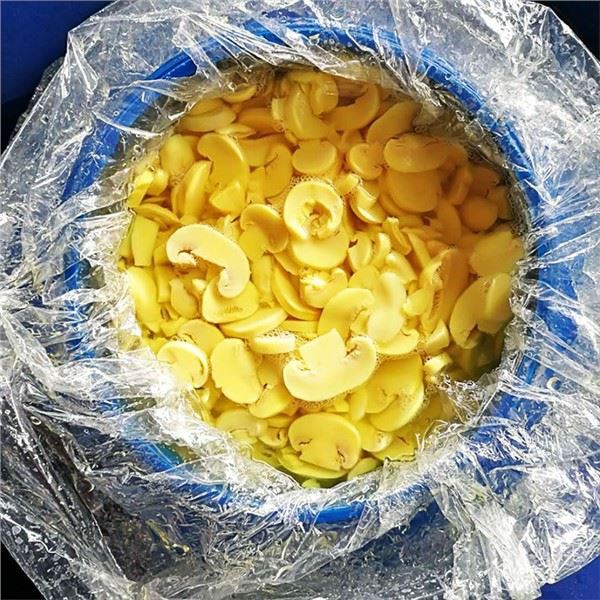
First, let’s get clear on what “salted mushrooms” actually are. For years, I’ve supplied salted mushrooms primarily using Agaricus bisporus—aka button mushrooms, cremini, or portobello, depending on their maturity. These are the most common salted mushrooms on the market, and for good reason: their mild, earthy flavor, dense texture, and low water content make them ideal for brining. If you’ve ever ordered a pizza topped with canned mushrooms or found brined mushrooms in a grocery store antipasto bin, there’s a good chance they’re from the variety we reference in our core products like Champignon Agaricus Bisporus in Brine. That said, oyster mushrooms (Pleurotus ostreatus) are a whole different beast, and that difference matters a lot when it comes to the salted preservation process.


Let’s talk food science basics here. Salted mushrooms rely on two key preservation mechanisms: osmotic dehydration and microbial inhibition. When you submerge mushrooms in a salt brine, the high salt concentration draws water out of the fungal cells (osmosis) — this reduces the moisture content to levels where harmful bacteria, yeast, and mold can’t grow. Also, sodium ions interfere with microbial cell membranes, further preventing spoilage. The catch? This process works best when the mushroom’s natural structure can hold up during brining. Oyster mushrooms, unlike Agaricus bisporus, have a much higher moisture content (some varieties clock in at 90-95% water, compared to 85-88% for button mushrooms) and a more delicate, thin, gilled structure. Those gills are a double-edged sword: they add texture when fresh, but they’re prone to breaking down, getting mushy, or even harboring extra bacteria when submerged in brine for preservation.
From my own trial runs years ago, I’ll be the first to say oyster mushrooms can turn into a salted product — but it’s not as straightforward as using button mushrooms. Early on, I tested a small batch of oyster mushroom salted mushrooms to see if they could fill a niche for customers looking for something a little more unique than our standard Salted Champignon Mushroom. That first attempt? A disaster. I skipped pre-treating the oysters, just brined them whole in a 10% salt solution like we do with button mushrooms. By the end of two weeks in brine, most of the pieces had fallen apart, the brine was cloudy with mushroom tissue, and the flavor was overly salty and bland, with none of the meaty depth button mushrooms hold.
So what went wrong, and how can you do it better? Let’s walk through the adjusted process for oyster mushrooms, based on what I learned from that failed batch and subsequent tweaks. First, harvest or source fresh, firm oyster mushrooms. Avoid any that are slimy, have dark edges on the caps, or look wilted—even small signs of spoilage will get worse during brining. Next, you need to trim and prepare them carefully. The thin stems and delicate gills mean you have two choices: either slice the mushrooms thinly (about ¼ inch thick) to minimize breakage, or separate the caps from the stems and process them separately, since caps hold up better.
The most critical step I learned? Pre-treat the mushrooms to reduce excess moisture and firm up their texture. For oyster mushrooms, blanching is non-negotiable. Blanching for 2-3 minutes in boiling salted water (a light 2% solution) stops enzyme activity that would break down the mushrooms’ structure during brining, and also helps draw out some of their extra water that would make the brine dilute and spoil. After blanching, shock the mushrooms in ice water for the same amount of time to stop the cooking process, then drain them thoroughly—patting with paper towels or leaving them to air dry for 30 minutes to remove as much surface moisture as possible.
From there, your brine formula needs to be adjusted too. We use a 12-15% salt brine for button mushrooms, but for oysters, I bumped that up to 15-17% to compensate for their higher water content and more porous structure. You also want to add a small amount of acidity—1-2% white vinegar or lemon juice—to lower the pH of the brine, which adds an extra layer of microbial protection and helps preserve the mushroom’s light, earthy flavor instead of letting it get dull. Keep the brine at a gentle simmer (not a rolling boil) when submerging the mushrooms for the initial brining period. For oyster mushrooms, you’ll need to brine them for a full 7-10 days, compared to 5-7 days for button mushrooms, to make sure they’re fully preserved and have the right texture.
Now, here’s where the practical experience comes in. While oyster mushrooms can be salted, there are key use cases to consider. Our core Salted Mushroom Wholesale Champignon in Brine in Drums is designed for food manufacturers, restaurants, and importers who need a consistent, long-lasting product. Oyster mushroom salted mushrooms work great for niche applications: think artisanal antipasto spreads, specialty mushroom sauces, or even for pickling later (you can take a batch of salted oyster mushrooms and toss them in vinegar and herbs for a quick pickled product). But for standard applications like canned soup bases, frozen meal mix-ins, or large-batch processed foods, oyster mushrooms might not be the most reliable option—their texture tends to stay softer even after processing, which doesn’t hold up as well as button mushrooms in high-heat or high-moisture applications.
I’ve also seen a lot of home cooks and small producers try to salt oyster mushrooms and run into issues with off-flavors. Because their gills are so delicate, if you don’t dry them thoroughly before brining, you can end up with a mushy, slightly bitter product. Another mistake is not using enough salt: if the brine is too weak, the oyster mushrooms will spoil within a few weeks, even in the fridge, because their high water content is a perfect breeding ground for bacteria. One tip I picked up from a food scientist I worked with a few years back: after packing your oyster mushrooms and brine in sterilized jars, make sure the mushrooms are fully submerged—any piece that sticks above the brine will develop a white mold that makes the whole batch unsafe. For long-term storage (up to a year in a cool, dark place), you can seal the jars with airtight lids, but if you’re planning to use the product within 2-3 months, you can store them in the fridge for easier access.
If you’re curious about comparing standard salted mushrooms to the oyster mushroom version, check out our page for Champignon Agaricus Bisporus in Brine to see the texture and consistency we’re known for, and browse our Salted Champignon Mushroom page to learn more about our wholesale options for our standard line. For buyers looking for specialty mushroom products, we’ve also shipped Premium Mushroom Sliced In Brine To Brazil and Brined Premium Mushroom Whole To Brazil to clients who want consistent, high-quality salted mushrooms for their markets— and we’ve had a few small-batch clients reach out asking about oyster mushroom salted options, which is something we’re currently testing for a limited niche line.
Let’s also address the safety angle, which is non-negotiable for any food product. Salted mushrooms are a low-acid preserved food, so they need to be handled carefully to avoid botulism or other foodborne illnesses. When processing, make sure all equipment, jars, and containers are properly sterilized with boiling water or a dishwasher on a hot cycle. Use non-iodized salt—iodized salt has additives that can make the brine cloudy and affect the flavor of the mushrooms. And never skip the pre-treatment and proper brine concentration, even if you’re making a small batch for personal use.
So, to circle back to the original question: Can you make salted mushrooms with oyster mushrooms? The answer is a qualified yes— but only if you adjust your process to account for oyster mushrooms’ unique structure and water content. It’s not as simple as using the same method you use for button mushrooms, but with a few tweaks, you can end up with a flavorful, shelf-stable product that works perfectly for specialty uses.
If you’re a food manufacturer, restaurant owner, or importer looking for consistent, high-quality salted mushroom products for your business, we have the experience and expertise to help. Whether you need bulk drums of our standard salted champignon mushrooms, specialty brined mushroom products, or are interested in discussing custom salted mushroom options tailored to your market, we’re here to help. Reach out to our team to learn more about our product lines and how we can support your needs.
References
- Food and Agriculture Organization of the United Nations. (2011). Preservation of Fruits and Vegetables by Salting and Sugaring. FAO Agricultural Services Bulletin No. 158.
- Beelman, R. B., & Royse, D. J. (2007). Mushroom Preservation and Processing. In Mushrooms: Cultivation, Nutritional Value, Medicinal Effect, and Environmental Impact (2nd ed.). CRC Press.
- Flores, M., et al. (2017). Impact of brining process on the quality and shelf life of Agaricus bisporus and Pleurotus ostreatus mushrooms. Journal of Food Processing and Preservation, 41(3), e12958.
- U.S. Food and Drug Administration. (2022). Low-Acid Canned Foods and Acidified Foods: Current Good Manufacturing Practice. 21 CFR Part 113.