
Can I preserve bolete mushrooms? This is a question that often pops up among mushroom enthusiasts and, more importantly for me, potential customers of our preserved mushroom business. As a supplier of a wide range of preserved mushrooms, I've delved deep into the world of mushroom preservation, and bolete mushrooms present a unique set of challenges and opportunities.
Bolete mushrooms are a diverse group of fungi known for their meaty texture and rich, earthy flavor. They are highly sought after in the culinary world, especially in European and Asian cuisines. However, their fresh state is quite perishable. Bolete mushrooms have a relatively short shelf - life once they are harvested. They start to deteriorate rapidly, losing their texture, flavor, and nutritional value. This is where preservation comes in.
One of the most common methods of preserving mushrooms is drying. Drying bolete mushrooms is a time - honored technique. By removing the moisture from the mushrooms, we inhibit the growth of bacteria, yeast, and mold that cause spoilage. To dry bolete mushrooms, you first need to clean them gently. Use a soft brush to remove any dirt or debris. Then, slice the mushrooms evenly. The slices should be about 1/4 to 1/2 inch thick. You can use a dehydrator set at a low temperature, around 110 - 120°F (43 - 49°C), or you can air - dry them in a well - ventilated area. It usually takes about 6 - 12 hours in a dehydrator and several days for air - drying. Once the mushrooms are completely dry, they can be stored in an airtight container in a cool, dark place for up to a year. Dried bolete mushrooms can be rehydrated by soaking them in warm water for about 20 - 30 minutes before use. They retain much of their flavor and can be used in soups, stews, and sauces.
Another popular preservation method is canning. Canning involves heating the mushrooms in a sealed container to kill any microorganisms and create a vacuum that prevents further contamination. When canning bolete mushrooms, it's crucial to follow proper canning procedures. First, clean and slice the mushrooms. You can add them to jars along with a brine solution made of water, salt, and sometimes a bit of vinegar. The jars are then processed in a pressure canner at the appropriate temperature and time according to the altitude and the size of the jars. Canned bolete mushrooms can last for several years on the shelf. They are convenient to use and can be added directly to recipes without the need for rehydration.

Freezing is also an option for preserving bolete mushrooms. Before freezing, you should blanch the mushrooms. Blanching involves briefly boiling the mushrooms and then immediately plunging them into ice water to stop the cooking process. This helps to preserve the color, texture, and flavor of the mushrooms. After blanching, drain the mushrooms well and pack them into freezer - safe bags or containers. Frozen bolete mushrooms can be stored for up to 8 - 12 months. However, the texture of frozen mushrooms may change slightly, becoming a bit softer when thawed.
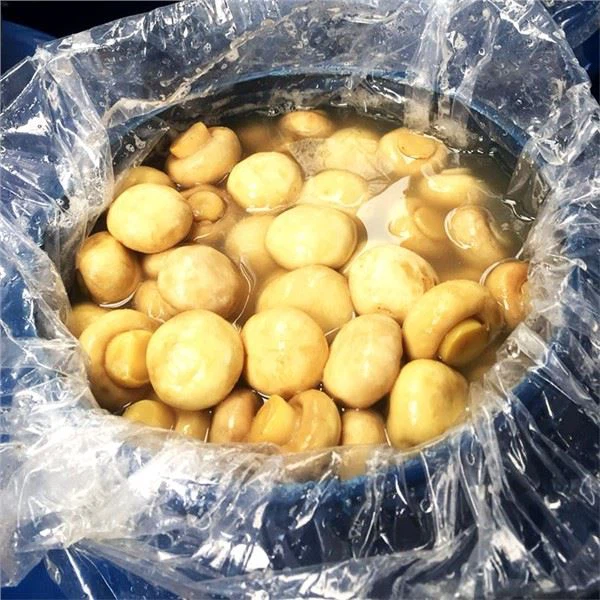
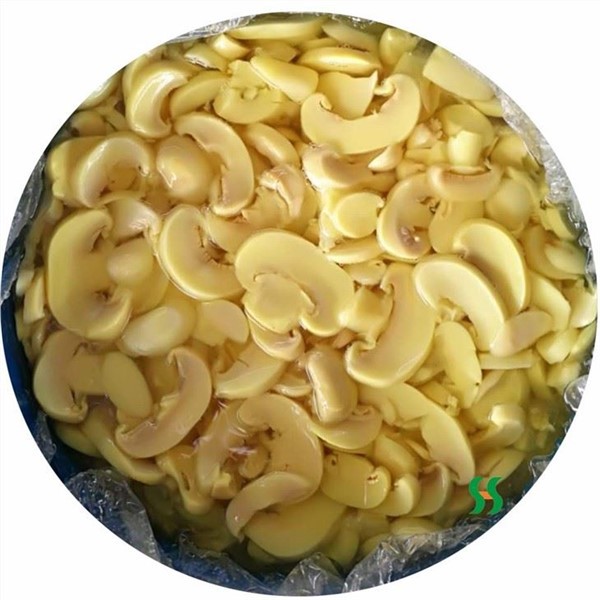
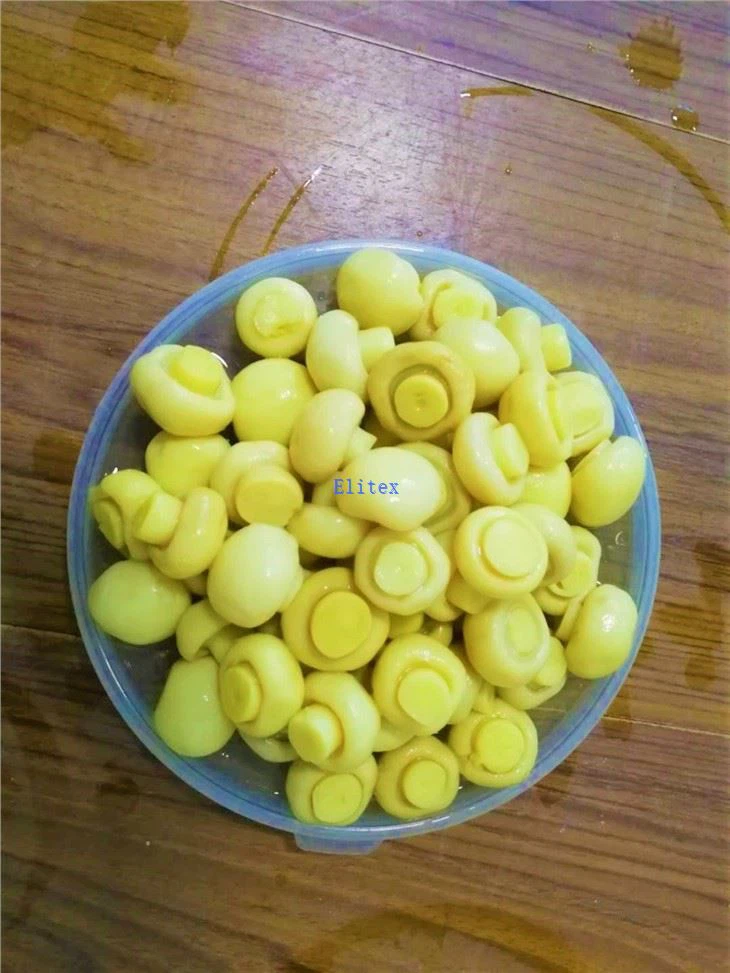
As a preserved mushroom supplier, we offer a variety of preserved mushroom products. For those interested in other types of preserved mushrooms, we have Sliced Mushroom Agaricus in Conserve, which are sliced Agaricus mushrooms preserved in a special conserve. This product has a unique flavor profile and can be used in a variety of dishes. We also have Fresh Agaricus In Brine In Whole, where whole Agaricus mushrooms are preserved in a brine solution, maintaining their freshness and firm texture. And Fresh Mushroom In Brine In Whole provides another option for those who prefer whole mushrooms in brine.
When it comes to preserving bolete mushrooms, there are some considerations. First, the quality of the fresh mushrooms is crucial. Only use fresh, healthy, and unspoiled bolete mushrooms for preservation. Second, proper handling during the preservation process is essential to ensure food safety. Follow all the recommended guidelines for each preservation method.
In the market, there is a growing demand for preserved mushrooms. Preserved mushrooms offer several advantages. They are available year - round, regardless of the mushroom - growing season. This means that chefs and home cooks can enjoy the flavors of their favorite mushrooms at any time. They also reduce food waste, as mushrooms that would otherwise spoil can be preserved for later use.
For our business, we are constantly looking for ways to improve our preservation techniques. We invest in research and development to ensure that our products maintain the highest quality standards. We source our mushrooms from reliable suppliers, and we carefully monitor every step of the preservation process.
If you are a restaurant owner, a food distributor, or a home cook interested in our preserved mushrooms, we invite you to get in touch with us. We are more than happy to discuss your specific needs and provide samples of our products. Whether you are looking for preserved bolete mushrooms or any of our other offerings like Sliced Mushroom Agaricus in Conserve, Fresh Agaricus In Brine In Whole, or Fresh Mushroom In Brine In Whole, we can work together to find the perfect solution for you.
In conclusion, yes, you can preserve bolete mushrooms, and there are multiple effective methods to do so. As a preserved mushroom supplier, we are committed to providing high - quality preserved mushroom products to meet the diverse needs of our customers. If you have any questions or are interested in starting a business relationship, please reach out to us. We look forward to serving you.
References

- "The Mushroom Cultivator: A Practical Guide to Growing Mushrooms at Home" by Paul Stamets and J.S. Chilton.
- "Preserving Food Without Freezing or Canning: Traditional Techniques Using Salt, Oil, Sugar, Alcohol, Vinegar, Drying, Cold Storage, and Lactic Fermentation" by Pascal Baudar.
- Various research papers on mushroom preservation from academic journals such as the Journal of Food Science and Technology.