
Preserved mushrooms have become a staple in many kitchens around the world due to their convenience and long shelf life. As a supplier of preserved mushrooms, I often receive questions from customers about whether these products need to be cooked before eating. In this blog post, I will delve into this topic, providing scientific insights and practical advice to help you make informed decisions about consuming preserved mushrooms.
Understanding Preserved Mushrooms
Preserved mushrooms are mushrooms that have undergone a preservation process to extend their shelf life. Common preservation methods include canning, pickling, drying, and freezing. Each method has its own unique impact on the mushrooms' texture, flavor, and safety.
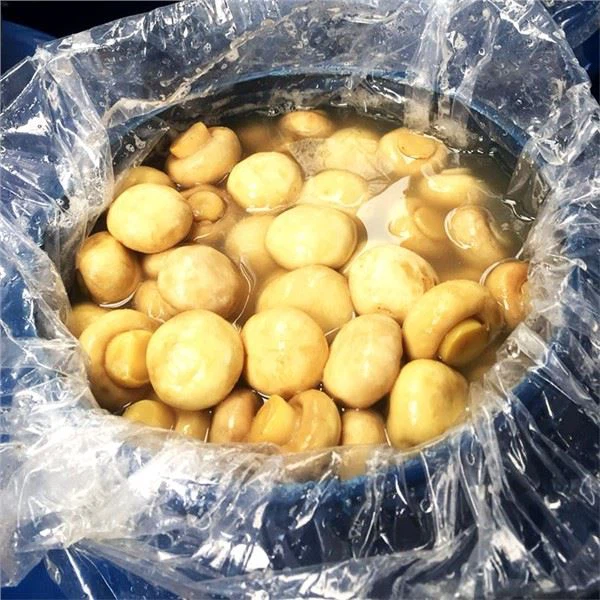
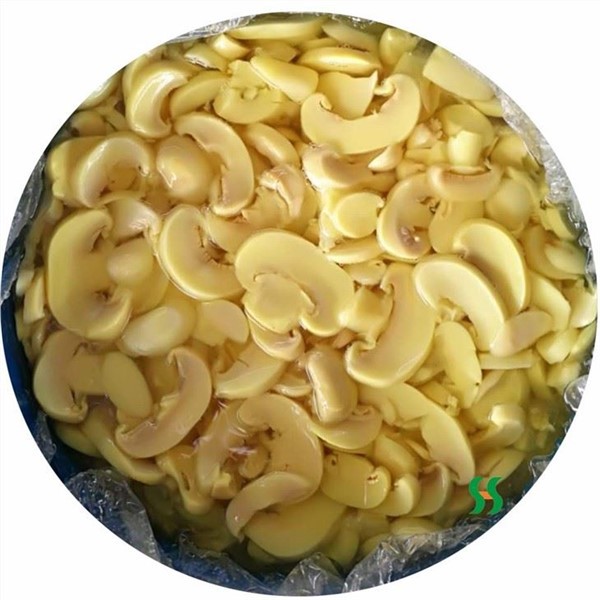
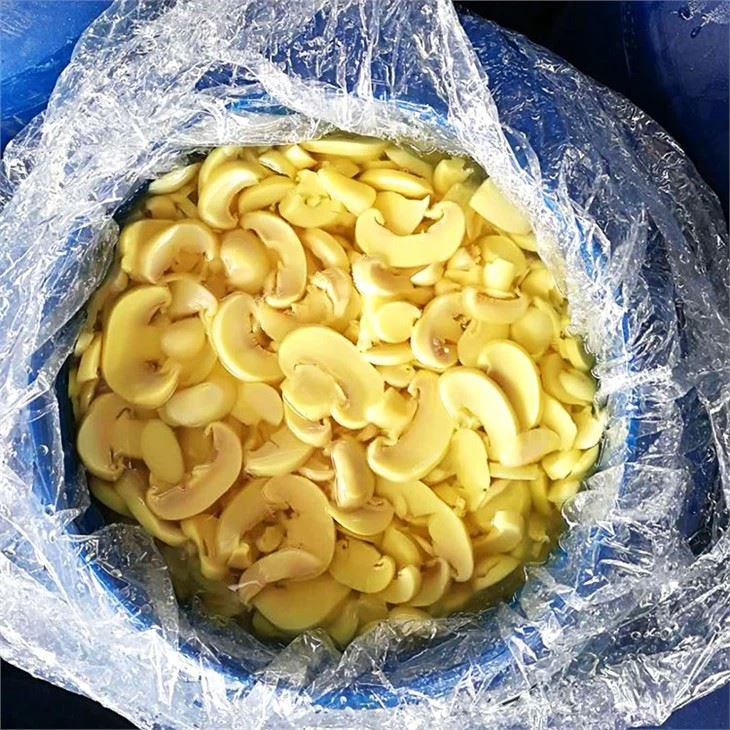
Canned mushrooms are typically preserved in brine, a solution of water and salt, or in a sauce. The canning process involves heating the mushrooms to a high temperature to kill bacteria and other microorganisms, followed by sealing them in airtight containers. This method not only preserves the mushrooms but also enhances their flavor and texture. Sliced Champignon in SO2 in Drum is an example of a canned preserved mushroom product.
Pickled mushrooms are soaked in a vinegar-based solution, which acts as a natural preservative. The acid in the vinegar inhibits the growth of bacteria and gives the mushrooms a tangy flavor. Pickled mushrooms are often used in salads, sandwiches, and as a condiment.
Dried mushrooms are dehydrated to remove most of their moisture content, which inhibits the growth of microorganisms and extends their shelf life. Dried mushrooms have a concentrated flavor and are commonly used in soups, stews, and sauces. Mushroom Grade A may be available in dried form among other preservation types.
Frozen mushrooms are quickly frozen to preserve their freshness and nutritional value. Freezing slows down the growth of bacteria and other microorganisms, allowing the mushrooms to be stored for an extended period. Frozen mushrooms are convenient to use and can be added directly to cooked dishes. Fresh Agaricus In Brine In Slice could also be found in frozen form in some cases.
Safety Considerations
The safety of consuming preserved mushrooms without cooking depends on several factors, including the preservation method, the type of mushroom, and the storage conditions.
Canned mushrooms are generally safe to eat without cooking because the canning process involves high-temperature sterilization, which kills most bacteria and other pathogens. However, it is still recommended to cook canned mushrooms before eating to enhance their flavor and texture. Cooking can also help to reduce the sodium content in canned mushrooms, as many canned products are packed in brine.
Pickled mushrooms are also safe to eat without cooking because the vinegar in the pickling solution acts as a natural preservative. However, some people may prefer to cook pickled mushrooms to mellow their tangy flavor or to incorporate them into cooked dishes.
Dried mushrooms should always be rehydrated and cooked before eating. Drying removes most of the moisture from the mushrooms, which inhibits the growth of microorganisms. However, rehydrating dried mushrooms can create a favorable environment for bacteria to grow if they are not cooked properly. Cooking dried mushrooms also helps to reconstitute their texture and release their flavors.

Frozen mushrooms are safe to eat without cooking, but they are often more flavorful and have a better texture when cooked. Freezing does not kill all bacteria, so it is important to cook frozen mushrooms thoroughly to ensure their safety.
Health Benefits of Cooking Preserved Mushrooms
Cooking preserved mushrooms not only enhances their safety but also offers several health benefits.
Cooking can break down the cell walls of mushrooms, making it easier for the body to absorb their nutrients. Mushrooms are a good source of vitamins, minerals, and antioxidants, including vitamin D, potassium, selenium, and ergothioneine. Cooking can help to release these nutrients and make them more bioavailable.
Cooking can also reduce the levels of certain toxins and anti-nutrients in mushrooms. Some mushrooms contain small amounts of toxins, such as agaritine, which can be harmful in large quantities. Cooking can help to break down these toxins and reduce their potential health risks.
In addition, cooking can enhance the flavor and aroma of preserved mushrooms, making them more enjoyable to eat. Different cooking methods, such as sautéing, roasting, and grilling, can bring out different flavors and textures in mushrooms, adding variety to your meals.
Cooking Tips for Preserved Mushrooms
If you decide to cook preserved mushrooms, here are some tips to help you get the best results:
- Drain and rinse canned mushrooms: Before cooking canned mushrooms, drain the liquid and rinse them under cold water to remove excess salt and any preservatives.
- Rehydrate dried mushrooms properly: To rehydrate dried mushrooms, soak them in warm water for at least 30 minutes or until they are soft. You can also use broth or other liquids to add flavor to the mushrooms.
- Cook mushrooms thoroughly: Whether you are using canned, pickled, dried, or frozen mushrooms, it is important to cook them thoroughly to ensure their safety. Cook mushrooms until they are tender and any liquid has evaporated.
- Use the right cooking method: Different cooking methods can bring out different flavors and textures in mushrooms. Sautéing is a quick and easy way to cook mushrooms, while roasting can give them a crispy exterior and a tender interior. Grilling can add a smoky flavor to mushrooms, making them perfect for summer meals.
- Add flavorings: To enhance the flavor of preserved mushrooms, you can add herbs, spices, garlic, onions, or other seasonings. You can also cook mushrooms with other vegetables, meats, or grains to create delicious and nutritious meals.
Conclusion
In conclusion, while some preserved mushrooms can be eaten without cooking, it is generally recommended to cook them before eating for safety, flavor, and nutritional reasons. Cooking can enhance the safety of preserved mushrooms by killing any remaining bacteria or pathogens, improve their flavor and texture, and increase the bioavailability of their nutrients.
As a supplier of preserved mushrooms, I am committed to providing high-quality products that meet the highest safety and quality standards. If you have any questions about our preserved mushroom products or need advice on cooking and using them, please do not hesitate to contact us. We are always happy to help you make the most of our preserved mushrooms in your kitchen.
If you are interested in purchasing our preserved mushroom products, we welcome you to reach out to us for procurement discussions. We look forward to the opportunity to serve you and meet your mushroom needs.
References
- "Mushroom Preservation: A Review of Methods and Quality." Journal of Food Science and Technology.
- "Safety and Quality of Canned Mushrooms." Food Microbiology.
- "Health Benefits of Mushrooms." Nutrition Reviews.