
Mushrooms are a versatile and nutritious ingredient that has found its way into countless dishes around the world. As a leading supplier of Mushroom in Tins, I am often asked about the process behind canning these delicious fungi. In this blog post, I'll take you through the step-by-step journey of how mushrooms are processed into tins, ensuring they reach your kitchen in the best possible condition.
1. Mushroom Selection and Harvesting
The journey of canned mushrooms begins in the fields or mushroom farms. We work closely with trusted growers who adhere to strict quality standards. The mushrooms are carefully selected at the peak of their freshness and maturity. For instance, button mushrooms, one of the most popular varieties for canning, are typically harvested when they are firm and have a closed cap. This ensures that they have the right texture and flavor for the canning process.
Harvesting is a delicate process that requires precision. Workers use sharp knives to cut the mushrooms at the base of the stem, being careful not to damage the surrounding mushrooms or the growing medium. Once harvested, the mushrooms are quickly transported to the processing facility to maintain their freshness.
2. Sorting and Cleaning
Upon arrival at the processing plant, the mushrooms undergo a rigorous sorting process. This involves removing any damaged, discolored, or overripe mushrooms. The sorting is usually done by hand or with the help of automated machinery, which can detect imperfections based on size, shape, and color.
After sorting, the mushrooms are thoroughly cleaned to remove any dirt, debris, or bacteria. They are first washed in cold water to remove the surface dirt. Then, they may be subjected to a more intensive cleaning process, such as a brine wash or a chemical treatment, to ensure that they are free from harmful microorganisms. This step is crucial for maintaining the safety and quality of the final product.
3. Blanching
Blanching is an important step in the canning process that involves briefly immersing the mushrooms in boiling water or steam. This process serves several purposes. Firstly, it helps to inactivate enzymes that can cause discoloration, loss of flavor, and nutrient degradation during storage. Secondly, it softens the mushrooms slightly, making them easier to pack into the tins. Finally, blanching helps to remove any air trapped in the mushrooms, which can prevent spoilage and extend the shelf life of the canned product.
The blanching time and temperature depend on the type and size of the mushrooms. Generally, button mushrooms are blanched for 2 - 3 minutes at a temperature of around 95 - 100°C. After blanching, the mushrooms are immediately cooled in cold water to stop the cooking process.
4. Cutting and Slicing
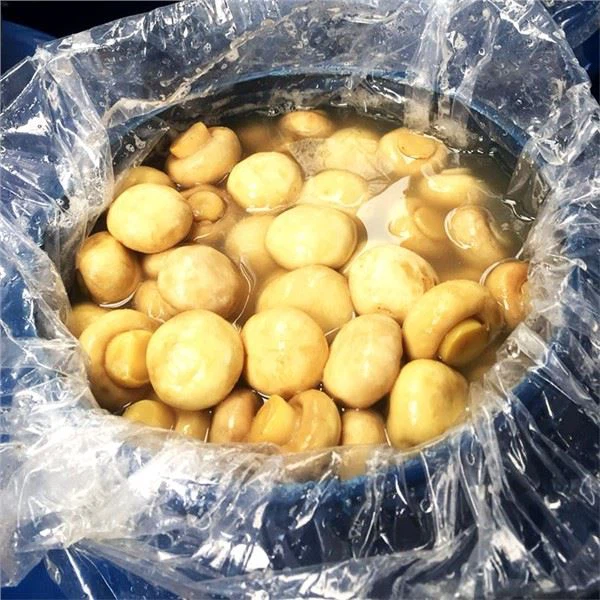
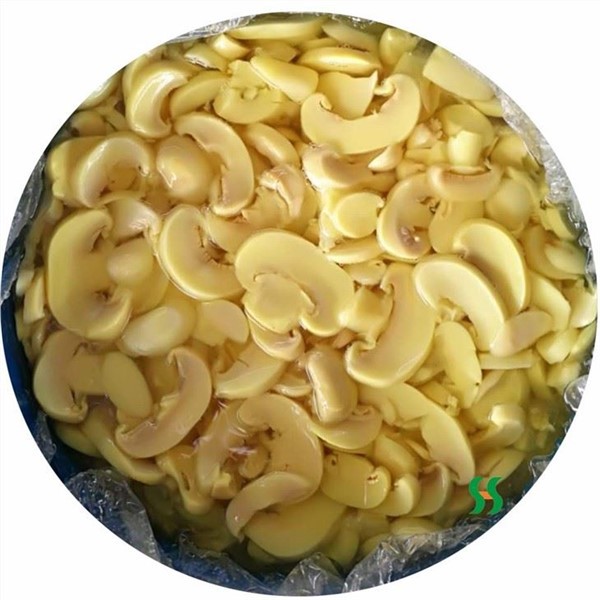
Depending on the product requirements, the mushrooms may be cut or sliced into different shapes and sizes. Whole mushrooms, such as Canned Mushroom Whole, are left intact, while sliced mushrooms are cut into uniform slices. The cutting and slicing are usually done using sharp knives or automated cutting machines to ensure consistency.
Some canned mushroom products, like Canned Marinated Button Mushrooms, may also be marinated at this stage. The marinade typically consists of a mixture of oil, vinegar, herbs, and spices, which adds flavor and enhances the texture of the mushrooms.

5. Filling the Tins
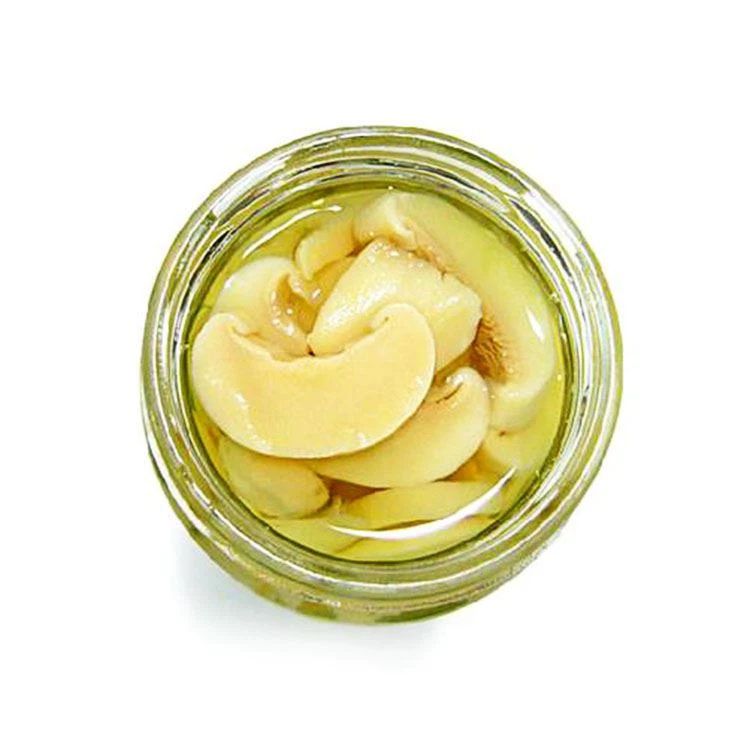
Once the mushrooms are prepared, they are filled into clean, sterilized tins. The tins are usually made of metal, such as tinplate or aluminum, which provides a hermetic seal and protects the mushrooms from light, oxygen, and moisture. The filling process is carefully controlled to ensure that each tin contains the correct amount of mushrooms and liquid.
In addition to the mushrooms, a brine or sauce is added to the tins. The brine is typically a solution of salt and water, which helps to preserve the mushrooms and enhance their flavor. The sauce may be a simple tomato sauce or a more complex mixture of herbs, spices, and seasonings, depending on the product type.
6. Exhausting
After filling, the tins are subjected to an exhausting process to remove any air from the headspace (the space between the top of the product and the lid of the tin). This is important because air can cause oxidation, spoilage, and the growth of microorganisms. The exhausting can be done by heating the tins in a steam chamber or by using a vacuum sealer.
During the exhausting process, the tins are heated to a specific temperature for a certain period of time. This causes the air inside the tins to expand and escape through a small opening in the lid. Once the air is removed, the tins are sealed immediately to prevent air from re-entering.
7. Sealing
Sealing the tins is a critical step in the canning process that ensures the long-term preservation of the mushrooms. The tins are sealed using a double-seam closure, which creates a tight, hermetic seal between the lid and the body of the tin. This seal prevents air, moisture, and microorganisms from entering the tin, thereby extending the shelf life of the product.
The sealing process is carefully monitored to ensure that the seals are intact and leak-proof. Any defective seals are detected and the tins are rejected to prevent spoilage and ensure product safety.
8. Retorting
Retorting is the final step in the canning process, which involves heating the sealed tins to a high temperature under pressure to kill any remaining microorganisms and ensure the safety of the product. The retorting process is carried out in a retort, which is a large, pressurized vessel.
The temperature and time of retorting depend on the type of mushrooms, the size of the tins, and the composition of the brine or sauce. Generally, the tins are heated to a temperature of around 115 - 121°C for 20 - 30 minutes. This high-temperature treatment ensures that all harmful bacteria, yeasts, and molds are destroyed, while preserving the flavor, texture, and nutritional value of the mushrooms.
After retorting, the tins are cooled rapidly to stop the cooking process and prevent overcooking. The cooled tins are then inspected for any signs of damage or spoilage before being labeled and packaged for distribution.
Conclusion
The process of canning mushrooms is a complex and carefully controlled operation that ensures the safety, quality, and long shelf life of the final product. From the selection and harvesting of the mushrooms to the retorting and packaging, every step is designed to preserve the natural flavor, texture, and nutritional value of the mushrooms.
As a supplier of Mushroom in Tins, we are committed to providing our customers with the highest quality canned mushroom products. Our state-of-the-art processing facilities and strict quality control measures ensure that our products meet the highest standards of safety and quality.
If you are interested in purchasing our canned mushroom products or have any questions about our processing methods, please feel free to contact us. We look forward to discussing your requirements and working with you to meet your needs.
References
- "Canning Technology: Principles and Practice" by R. Paul Singh and Dennis R. Heldman
- "Food Preservation: Principles and Practices" by R. K. Robinson
- "The Science of Canning" by the National Center for Home Food Preservation