
As a supplier of Mushroom In SO2 In Drum, I've witnessed firsthand the intricate relationship between environmental factors and the quality of our products. One such factor that often goes unnoticed but plays a crucial role is the humidity inside the drum. In this blog post, I'll delve into how humidity in the drum affects the interaction between mushrooms and SO2, and why it matters for both suppliers and consumers.
Understanding the Basics: Mushrooms, SO2, and Humidity
Before we explore the impact of humidity, let's briefly understand the role of SO2 in preserving mushrooms. Sulfur dioxide (SO2) is a commonly used preservative in the mushroom industry. It helps to prevent discoloration, inhibit microbial growth, and maintain the freshness of mushrooms during storage and transportation. When mushrooms are packed in drums with SO2, a controlled environment is created to ensure their quality over time.
Humidity, on the other hand, refers to the amount of water vapor present in the air. In the context of mushroom drums, humidity can have a significant impact on the chemical and physical processes that occur between the mushrooms and SO2. High humidity levels can lead to condensation inside the drum, which can affect the distribution of SO2 and potentially alter the quality of the mushrooms.
The Impact of High Humidity on Mushroom - SO2 Interaction
1. Chemical Reactions
High humidity can accelerate chemical reactions between mushrooms and SO2. When water vapor is present, it can dissolve SO2 to form sulfurous acid (H2SO3). This acid can react with various components in the mushrooms, such as enzymes and pigments. For example, it can react with polyphenol oxidase, an enzyme responsible for mushroom browning. While this reaction can initially prevent browning, excessive sulfurous acid can also lead to off - flavors and changes in the texture of the mushrooms.
Moreover, the presence of water can facilitate the oxidation of SO2 to sulfate (SO42 - ). This oxidation reduces the effectiveness of SO2 as a preservative, as less SO2 is available to perform its protective functions. As a result, the mushrooms may be more susceptible to spoilage and discoloration over time.
2. Microbial Growth
Condensation caused by high humidity provides a moist environment that is conducive to microbial growth. Even though SO2 is a preservative, high humidity can overcome its inhibitory effects. Bacteria and fungi thrive in moist conditions, and they can break down the mushrooms, leading to decay and a decrease in quality. For instance, mold growth can occur on the surface of the mushrooms, which not only affects their appearance but also poses a health risk to consumers.
3. Physical Changes
High humidity can also cause physical changes in the mushrooms. The excess moisture can make the mushrooms soft and mushy, altering their texture. This is particularly problematic for consumers who expect firm and fresh - tasting mushrooms. Additionally, the moisture can cause the mushrooms to stick together, making it difficult to separate them during processing or cooking.
The Impact of Low Humidity on Mushroom - SO2 Interaction
1. Dehydration of Mushrooms
Low humidity levels can lead to dehydration of the mushrooms. As the water evaporates from the mushrooms, they can become dry and brittle. This not only affects their texture but also their nutritional value. Dehydrated mushrooms may lose some of their vitamins and minerals, and they may be less appealing to consumers.
2. Uneven Distribution of SO2
In a dry environment, the distribution of SO2 may become uneven. SO2 may not be able to penetrate the mushrooms uniformly, which can result in some parts of the mushrooms being over - preserved while others are under - preserved. This can lead to inconsistent quality within the drum, and some mushrooms may spoil faster than others.
Maintaining Optimal Humidity for Mushroom Preservation
To ensure the best interaction between mushrooms and SO2, it is essential to maintain optimal humidity levels inside the drum. This can be achieved through several methods:
1. Packaging Design
Using moisture - resistant packaging materials can help to control humidity inside the drum. For example, using drums with a high - quality liner can prevent moisture from entering or leaving the drum. Additionally, incorporating desiccants or humidity - controlling packets inside the drum can help to absorb excess moisture or release moisture when the humidity is too low.
2. Storage Conditions
Proper storage conditions are crucial for maintaining optimal humidity. Storing the drums in a temperature - and humidity - controlled environment can minimize fluctuations in humidity levels. For example, storing the drums in a warehouse with a relative humidity of 60 - 70% can help to ensure a stable environment for the mushrooms.
3. Monitoring and Quality Control
Regular monitoring of humidity levels inside the drums is essential. This can be done using humidity sensors. By regularly checking the humidity, any deviations from the optimal range can be detected early, and corrective actions can be taken. Quality control measures should also be in place to ensure that the mushrooms meet the required standards.
Our Products and the Importance of Humidity Control
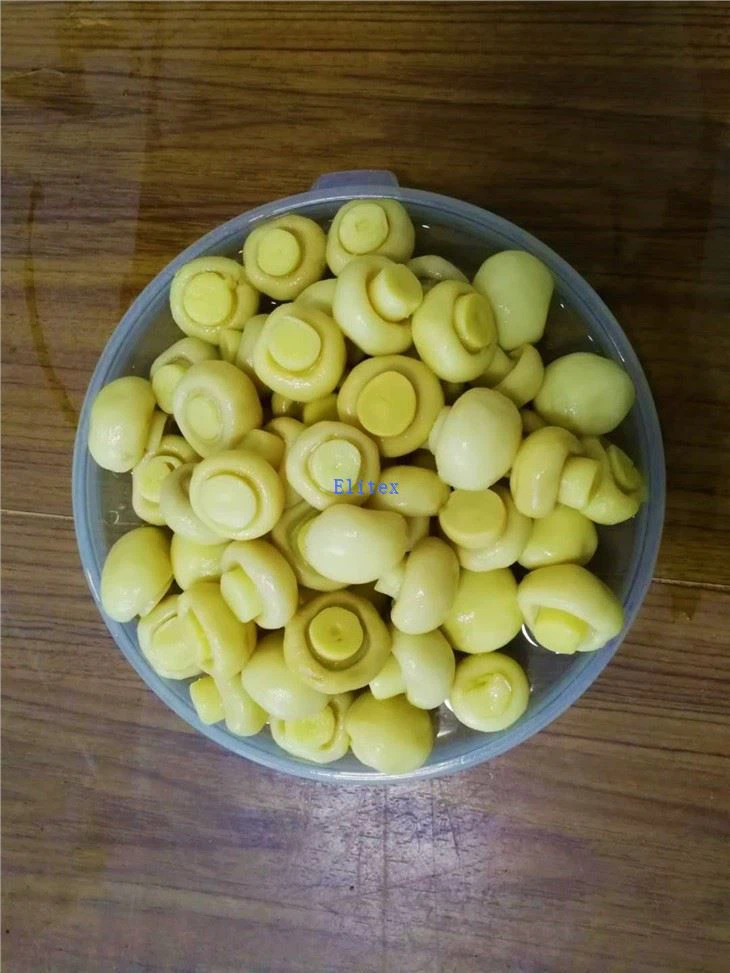
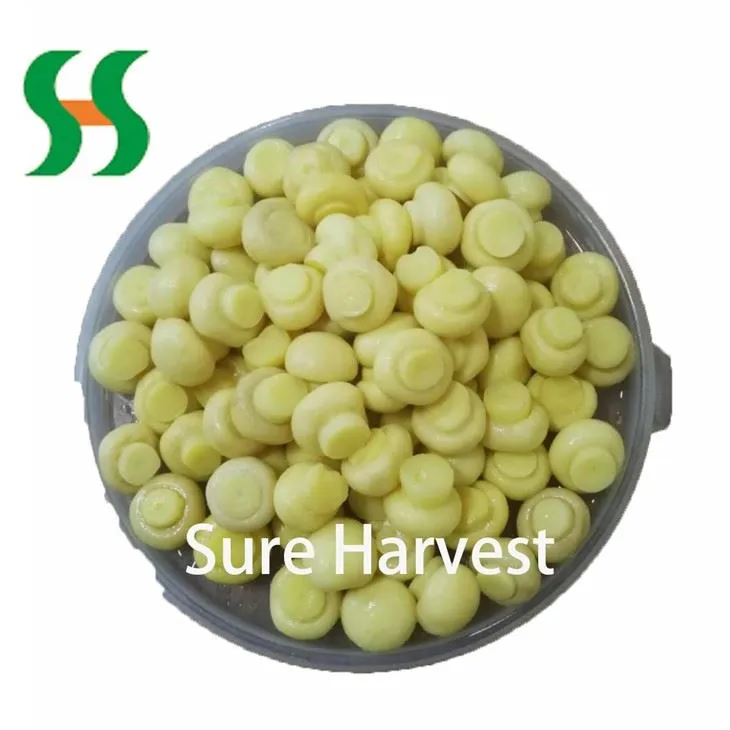
At our company, we take humidity control very seriously. We offer a range of products, including Preserved Fresh Mushroom In Brine In Whole, Mushroom Grade A, and Fresh Agaricus In Brine In Whole. We use state - of - the - art packaging and storage techniques to ensure that the humidity inside the drums is maintained at optimal levels.
Our strict quality control measures ensure that every drum of mushrooms we supply meets the highest standards of quality and freshness. By carefully controlling the humidity, we can ensure that the interaction between the mushrooms and SO2 is optimized, resulting in mushrooms that are of superior quality, taste, and appearance.
Conclusion
Humidity in the drum has a profound impact on the interaction between mushrooms and SO2. Both high and low humidity levels can have negative consequences for the quality of the mushrooms, affecting their taste, texture, and shelf - life. As a supplier, it is our responsibility to control humidity levels to ensure that our customers receive the best - quality mushrooms.
If you are interested in purchasing our mushroom products, we invite you to contact us for a procurement discussion. We are committed to providing you with the highest - quality mushrooms and excellent customer service.
References
- Jay, J. M., Loessner, M. J., & Golden, D. A. (2005). Modern Food Microbiology. Aspen Publishers.
- Fellows, P. J. (2000). Food Processing Technology: Principles and Practice. CRC Press.
- Beelman, R. B., & Royse, D. J. (2005). Mushroom Science and Technology. Food Products Press.