
As a supplier of Grade A mushrooms, I've had the privilege of closely observing how these culinary gems transform when cooked. The texture of Grade A mushrooms is a fascinating subject, as it undergoes a remarkable evolution from raw to cooked, influencing both the taste and overall dining experience. In this blog, I'll delve into the science behind these changes, share some practical cooking tips, and introduce you to our range of preserved mushroom products.


The Raw Texture of Grade A Mushrooms
Grade A mushrooms are known for their firm and dense texture when raw. This is due to their cell structure, which is composed of a network of hyphae – fine, thread - like structures that give the mushroom its shape and integrity. The cell walls of these hyphae are made up of chitin, a tough polysaccharide that provides rigidity. When you touch a raw Grade A mushroom, you'll notice its smooth surface and a certain resilience, similar to that of a firm vegetable.
The moisture content in raw mushrooms also plays a crucial role in their texture. Grade A mushrooms typically have a high water content, which contributes to their plumpness and juiciness. However, this moisture can also be a challenge during cooking, as it needs to be managed properly to achieve the desired texture.
Changes During Cooking
Moisture Loss
One of the most significant changes that occur when cooking Grade A mushrooms is the loss of moisture. As heat is applied, the water inside the mushroom cells begins to evaporate. This process starts at the surface of the mushroom and gradually moves inward. The initial stages of cooking often result in the release of a significant amount of water, which can make the mushrooms seem soggy if not cooked correctly.
As more moisture is lost, the mushroom cells start to shrink, and the texture becomes denser. This is particularly noticeable when mushrooms are cooked for an extended period at a high temperature. For example, when sautéing mushrooms in a hot pan, the excess moisture will first steam out, and then the mushrooms will start to brown and develop a more concentrated flavor and a firmer texture.
Cell Wall Breakdown
In addition to moisture loss, the heat also causes the breakdown of the chitin - based cell walls in the mushrooms. As the temperature rises, the chemical bonds in the chitin start to weaken, allowing the cell walls to become more permeable. This breakdown is essential for the development of a tender texture.
However, if the mushrooms are overcooked, the cell walls can break down too much, resulting in a mushy consistency. The key is to find the right balance between breaking down the cell walls enough to make the mushrooms tender and preventing them from becoming overly soft.
Maillard Reaction
The Maillard reaction is another important process that occurs during the cooking of mushrooms. This chemical reaction takes place between amino acids and reducing sugars in the mushrooms when they are exposed to heat. It is responsible for the browning and the development of complex flavors and aromas.
When the Maillard reaction occurs, the surface of the mushrooms becomes golden - brown and develops a crispy exterior while the interior remains tender. This contrast in texture adds depth to the overall eating experience. For instance, when roasting mushrooms in the oven, the high - heat environment promotes the Maillard reaction, creating a delicious combination of crispy and tender textures.
Different Cooking Methods and Their Impact on Texture
Sautéing
Sautéing is one of the most popular ways to cook Grade A mushrooms. To sauté mushrooms properly, start by heating a small amount of oil or butter in a pan over medium - high heat. Add the mushrooms and spread them out in a single layer. This allows the moisture to evaporate quickly and promotes the Maillard reaction.
At first, the mushrooms will release a lot of water, and the pan may seem flooded. As the water evaporates, the mushrooms will start to brown and develop a slightly crispy exterior. Stir them occasionally to ensure even cooking. The result is a tender yet slightly chewy texture with a rich, savory flavor.
Roasting
Roasting mushrooms in the oven is another excellent method for achieving a unique texture. Preheat the oven to a high temperature, around 400 - 425°F (204 - 218°C). Toss the mushrooms with olive oil, salt, and pepper, and spread them out on a baking sheet.
The high heat of the oven causes the mushrooms to lose moisture rapidly, resulting in a concentrated flavor and a crispy exterior. The interior remains soft and tender, creating a delightful contrast. Roasted mushrooms can be used as a side dish, added to salads, or used as a topping for pizzas.
Grilling
Grilling mushrooms gives them a smoky flavor and a charred exterior. To grill Grade A mushrooms, brush them with oil and season them with your favorite spices. Place them on a preheated grill over medium - high heat.
The direct heat from the grill causes the mushrooms to cook quickly on the outside while retaining their moisture on the inside. The grilling process also creates distinct grill marks, which not only look appealing but also add to the overall texture and flavor. Grilled mushrooms are great for sandwiches, burgers, or as a standalone appetizer.
Our Preserved Mushroom Products
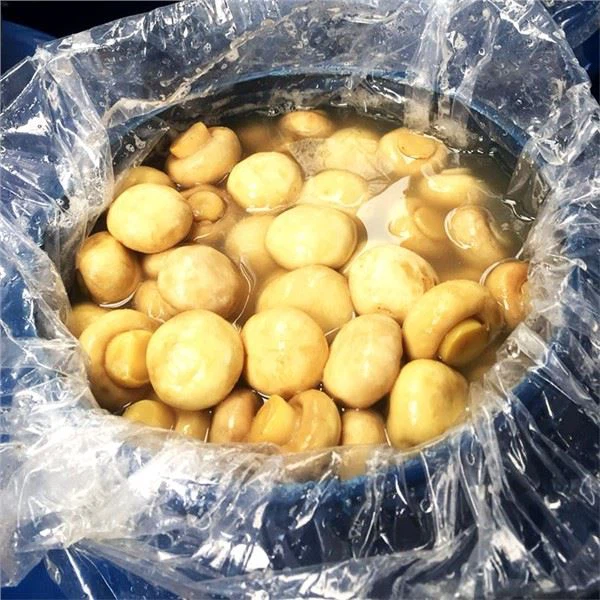
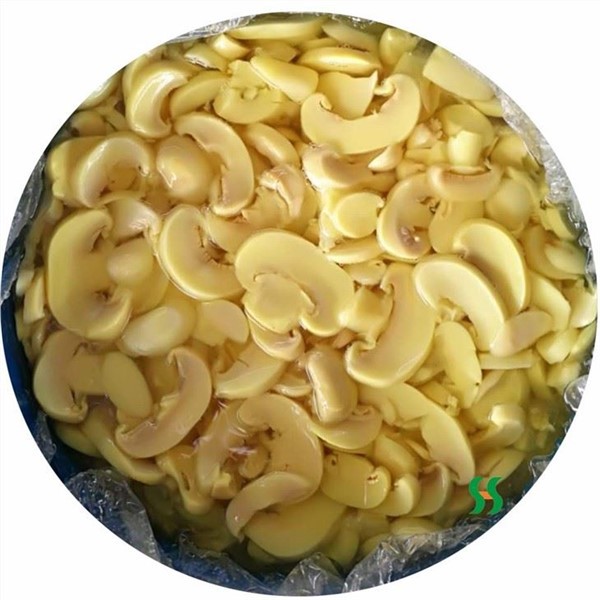
At our company, we understand the importance of providing high - quality mushroom products that offer consistent texture and flavor. We offer a range of preserved mushroom products, including Sliced Champignon in SO2 in Drum, Mushroom Agaricus in Conserve, and Whole Mushroom Agaricus in Conserve.
These preserved mushrooms are carefully selected and processed to maintain their texture and flavor. The preservation process involves treating the mushrooms with substances like sulfur dioxide (in the case of Sliced Champignon in SO2 in Drum) to prevent spoilage and maintain their color and texture. The conserve products are packed in a flavorful sauce that enhances the taste of the mushrooms and helps to preserve their tender texture.
Cooking Tips for Preserved Mushrooms
When using our preserved mushroom products, it's important to adjust your cooking methods slightly. Since these mushrooms have already been partially processed, they may require less cooking time compared to fresh mushrooms.
For example, when using Sliced Champignon in SO2 in Drum, you can simply drain the liquid and add the mushrooms to your dish towards the end of the cooking process. This will help to retain their texture and prevent them from becoming too soft.
Mushroom Agaricus in Conserve and Whole Mushroom Agaricus in Conserve can be used directly in recipes without much additional cooking. They can be added to pasta sauces, stews, or casseroles to enhance the flavor and texture of the dish.
Conclusion
The texture of Grade A mushrooms changes significantly during cooking, and understanding these changes is key to creating delicious and satisfying dishes. Whether you're sautéing, roasting, or grilling fresh mushrooms or using our preserved mushroom products, the goal is to achieve the perfect balance of moisture, tenderness, and flavor.
If you're interested in purchasing our high - quality Grade A mushrooms or our preserved mushroom products, we invite you to contact us for a procurement discussion. We're committed to providing the best products and services to meet your culinary needs.
References
- "The Science of Cooking Mushrooms" by Harold McGee.
- "Culinary Mushroom Handbook" by T. J. Baroni.
- "Mushroom Cultivation and Cookery" by Paul Stamets.