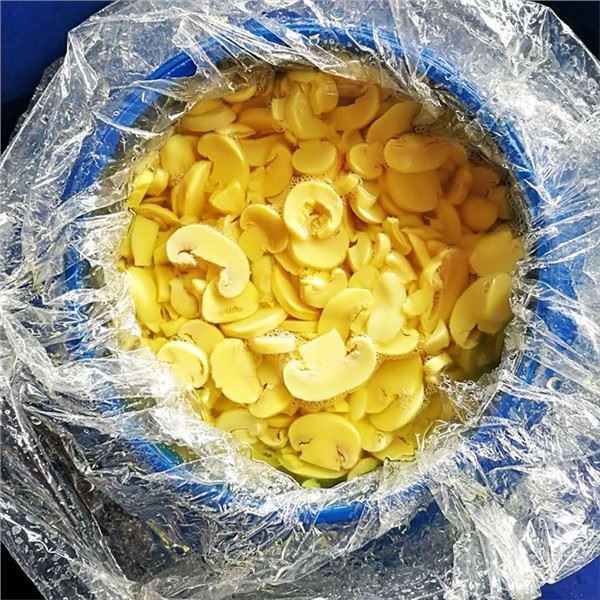

As a supplier of Nameko Mushroom In Brine, I am often asked about the unique mouthfeel of this delightful fungus. Nameko mushrooms, known scientifically as Pholiota nameko, are a staple in Japanese cuisine and have been gaining popularity worldwide due to their distinct texture and flavor. In this blog post, I will delve into the mouthfeel of Nameko Mushroom In Brine, exploring its characteristics, how it compares to other mushrooms, and why it's a great addition to various dishes.
The Texture of Nameko Mushroom In Brine
The first thing you'll notice when you take a bite of Nameko Mushroom In Brine is its firm yet tender texture. Unlike some mushrooms that can be overly soft or mushy, Nameko mushrooms have a satisfying crunch that adds a pleasant contrast to your dishes. The brining process helps to preserve this texture, ensuring that the mushrooms remain firm and retain their shape even after being cooked.
One of the most distinctive features of Nameko mushrooms is their slimy outer layer. While this may sound unappealing at first, the slime is actually a natural polysaccharide that gives the mushrooms their unique mouthfeel. When cooked, the slime becomes gelatinous, adding a rich, creamy texture to soups, stews, and other dishes. This gelatinous quality also makes Nameko mushrooms a great thickening agent, similar to okra or eggplant.
Comparing Nameko Mushroom In Brine to Other Mushrooms
To better understand the mouthfeel of Nameko Mushroom In Brine, it's helpful to compare it to other types of mushrooms. Here are some common mushrooms and how they stack up against Nameko mushrooms:
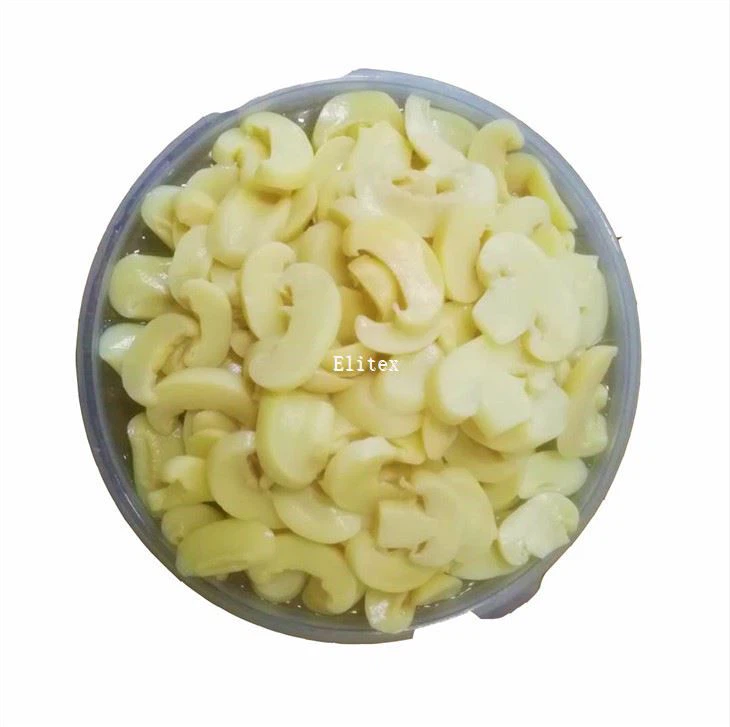

- Button Mushrooms: Button mushrooms are one of the most widely available mushrooms and have a mild, earthy flavor. They have a relatively soft texture, which can become mushy if overcooked. In contrast, Nameko mushrooms have a firmer texture and a more pronounced flavor.
- Shiitake Mushrooms: Shiitake mushrooms are known for their meaty texture and rich, savory flavor. They have a slightly chewy texture that holds up well in stir-fries and other cooked dishes. While Shiitake mushrooms are similar in texture to Nameko mushrooms, they do not have the same slimy outer layer.
- Portobello Mushrooms: Portobello mushrooms are large, meaty mushrooms that have a dense, chewy texture. They are often used as a vegetarian substitute for meat due to their substantial size and flavor. Nameko mushrooms, on the other hand, are much smaller and have a more delicate texture.
Culinary Uses of Nameko Mushroom In Brine
The unique mouthfeel of Nameko Mushroom In Brine makes it a versatile ingredient in the kitchen. Here are some popular culinary uses for Nameko mushrooms:
- Soups and Stews: Nameko mushrooms are a classic ingredient in Japanese soups and stews, such as miso soup and nabemono. The gelatinous slime of the mushrooms helps to thicken the broth, adding a rich, creamy texture. Nameko mushrooms also pair well with other vegetables, such as onions, carrots, and spinach, making them a great addition to any soup or stew.
- Stir-Fries and Sautes: Nameko mushrooms can be quickly stir-fried or sautéed with other vegetables and proteins. Their firm texture allows them to hold up well in high-heat cooking, while their slimy outer layer adds a unique flavor and texture to the dish. Try stir-frying Nameko mushrooms with garlic, ginger, and soy sauce for a simple and delicious side dish.
- Ramen and Udon: Nameko mushrooms are a popular topping for ramen and udon noodles. Their firm texture and rich flavor add a delicious contrast to the soft noodles and savory broth. You can also add Nameko mushrooms to other noodle dishes, such as soba or spaghetti, for a unique twist.
Why Choose Our Nameko Mushroom In Brine
As a supplier of Nameko Mushroom In Brine, we take pride in offering high-quality products that are sourced from the best farms and processed using the latest techniques. Here are some reasons why you should choose our Nameko Mushroom In Brine:
- Freshness and Quality: We carefully select the freshest Nameko mushrooms and process them within hours of harvest to ensure maximum freshness and flavor. Our mushrooms are brined using a natural salt solution, which helps to preserve their texture and flavor without the use of artificial preservatives.
- Consistent Texture: Our Nameko Mushroom In Brine has a consistent texture that is firm yet tender, with a gelatinous slime that adds a rich, creamy texture to your dishes. We use a proprietary brining process that ensures the mushrooms retain their shape and texture, even after being cooked.
- Versatility: Our Nameko Mushroom In Brine is a versatile ingredient that can be used in a variety of dishes, from soups and stews to stir-fries and noodle dishes. Whether you're a professional chef or a home cook, our Nameko Mushroom In Brine is sure to add a unique and delicious flavor to your meals.
Conclusion
In conclusion, the mouthfeel of Nameko Mushroom In Brine is truly unique. Its firm yet tender texture, combined with its gelatinous slime, makes it a versatile ingredient that can be used in a variety of dishes. Whether you're looking to add a rich, creamy texture to your soups and stews or a unique flavor to your stir-fries and noodle dishes, Nameko Mushroom In Brine is a great choice.
If you're interested in learning more about our Nameko Mushroom In Brine or would like to place an order, please visit our website to explore our Premium Mushroom Sliced In Brine, Premium Mushroom Whole In Brine To Brazil, and Premium Mushroom Sliced In Brine To Brazil products. We're always happy to answer any questions you may have and help you find the perfect mushroom for your needs.
References
- Chang, S. T., & Miles, P. G. (2004). Mushrooms: cultivation, nutritional value, medicinal effect, and environmental impact. CRC Press.
- Hobbs, C. (1995). Medicinal mushrooms: an exploration of tradition, healing, and culture. Botanica Press.
- Yamaguchi, S. (1998). Taste of amino acids and related compounds. In Umami: a basic taste (pp. 1-35). Marcel Dekker.