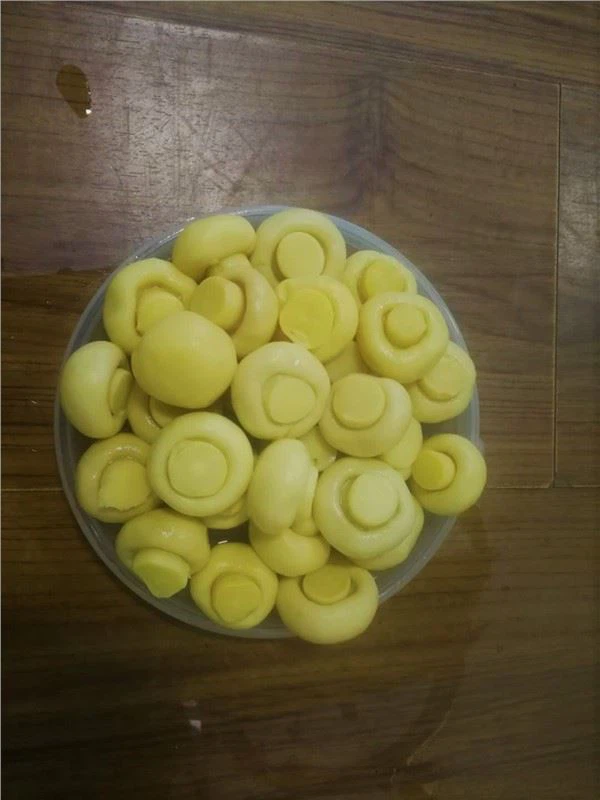

As a supplier of Mushroom Grade B, I've witnessed a growing curiosity among consumers and businesses alike about the potential of this product as a meat substitute. In this blog post, I'll explore whether Mushroom Grade B is indeed a good alternative to meat, considering nutritional value, taste, versatility, and environmental impact.
Nutritional Value
When evaluating a meat substitute, nutritional content is a crucial factor. Mushroom Grade B offers several health - promoting nutrients that make it a viable option.
Mushrooms are a good source of protein. While the protein content in Mushroom Grade B is not as high as in some meats, it still provides a significant amount. For example, a 100 - gram serving of Mushroom Grade B can contain around 3 - 4 grams of protein. This is comparable to other plant - based protein sources and can contribute to the daily protein requirements, especially for vegetarians and vegans.
In addition to protein, Mushroom Grade B is rich in vitamins and minerals. It contains B - vitamins such as riboflavin, niacin, and pantothenic acid. These vitamins play essential roles in energy metabolism, helping the body convert food into energy. Mushrooms are also a good source of selenium, a powerful antioxidant that supports the immune system and helps protect cells from damage.
Another advantage of Mushroom Grade B is its low - fat content. Unlike many meats, which can be high in saturated fat, mushrooms are virtually fat - free. This makes them a heart - healthy option for those looking to reduce their fat intake. Moreover, they are low in calories, which is beneficial for weight management.
Taste and Texture
One of the most important aspects of a meat substitute is how it tastes and feels in the mouth. Mushroom Grade B has a unique umami flavor, which is often described as a savory, meaty taste. Umami is one of the five basic tastes, along with sweet, sour, bitter, and salty. This umami flavor makes Mushroom Grade B an excellent candidate for replacing meat in many dishes.
The texture of Mushroom Grade B can also mimic that of meat to some extent. When cooked, mushrooms can become tender yet firm, similar to the texture of certain cuts of meat. For example, portobello mushrooms, which are often used as a meat substitute, have a thick and meaty texture. Mushroom Grade B, although not as large as portobellos, can still provide a satisfying chew when prepared correctly.
Versatility in Cooking
Mushroom Grade B is incredibly versatile in the kitchen. It can be used in a wide variety of dishes, from soups and stews to stir - fries and burgers.
In soups and stews, Mushroom Grade B adds a rich, savory flavor. It can be chopped into small pieces and simmered with other vegetables and seasonings to create a hearty and nutritious meal. For example, a mushroom and vegetable soup with Mushroom Grade B can be a delicious and filling option for lunch or dinner.
Stir - fries are another popular way to use Mushroom Grade B. The mushrooms can be quickly cooked with other vegetables, such as bell peppers, onions, and broccoli, and seasoned with soy sauce, garlic, and ginger. This creates a flavorful and healthy dish that can be served over rice or noodles.
Mushroom burgers are also a great alternative to traditional meat burgers. Mushroom Grade B can be marinated and grilled to create a patty that has a similar texture and flavor to a beef burger. Top it with lettuce, tomato, and your favorite condiments for a delicious and satisfying meal.
Environmental Impact
In today's world, environmental sustainability is a major concern. Choosing Mushroom Grade B as a meat substitute can have a positive impact on the environment.
Meat production is a significant contributor to greenhouse gas emissions, deforestation, and water pollution. Livestock farming requires large amounts of land, water, and feed, and it produces methane, a potent greenhouse gas. In contrast, mushroom cultivation is much more sustainable. Mushrooms can be grown in a relatively small space, and they require less water and energy compared to meat production.
Mushroom Grade B is also often grown using organic and sustainable methods. This means that it is free from pesticides and other harmful chemicals, making it a healthier and more environmentally friendly option.
Availability and Cost
As a supplier of Mushroom Grade B, I can attest to its availability. We have a steady supply of high - quality Mushroom Grade B that can meet the needs of both small and large businesses. Whether you are a restaurant owner looking to add a meat substitute to your menu or a consumer looking to try something new at home, we can provide you with the product you need.
In terms of cost, Mushroom Grade B is often more affordable than meat. This makes it an attractive option for those on a budget. The lower cost also means that it can be used in larger quantities, allowing you to create more substantial and satisfying meals.
Our Product Offerings
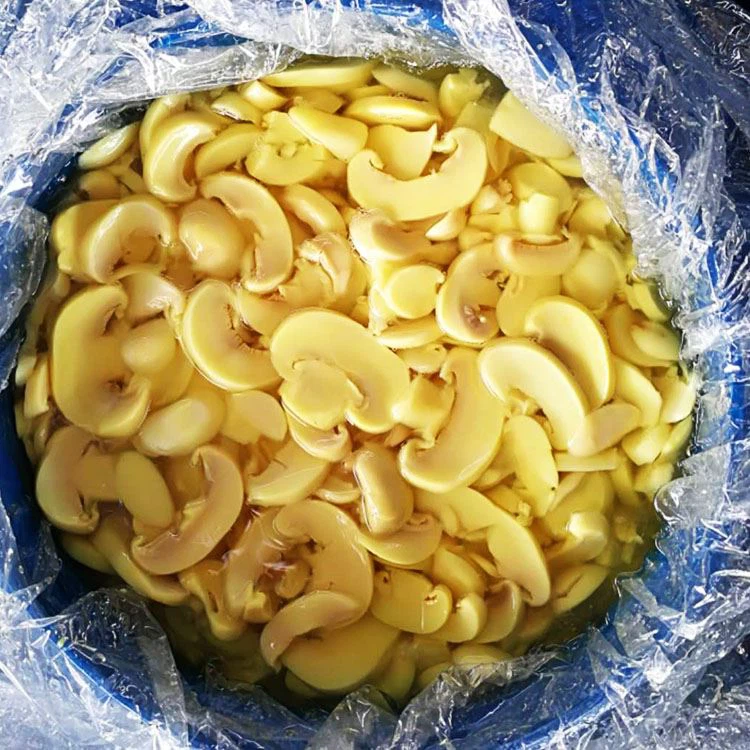
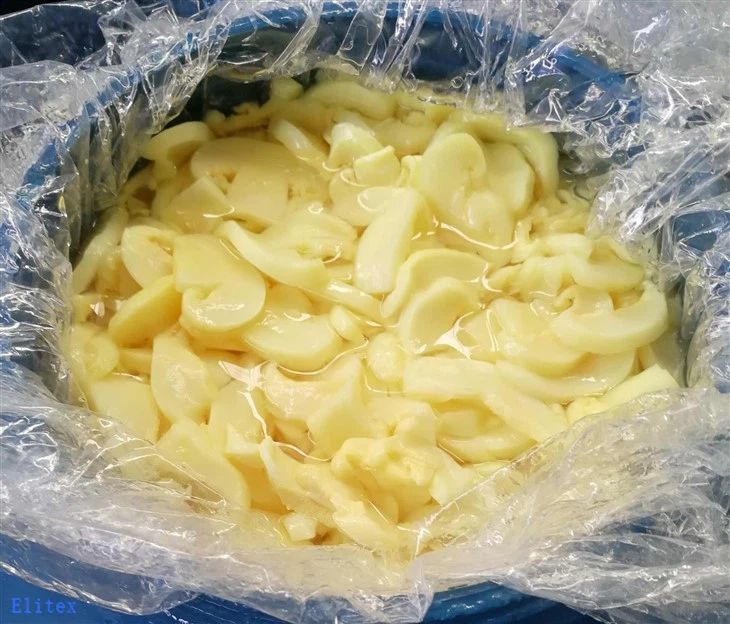
We offer a variety of preserved mushroom products that are perfect for different uses. You can check out our Mushroom in SO2 in Drum, Bulk Preserved Champignon Mushrooms Cogumelos in SO2, and Chinese Preserved Mushroom in Barrel. These products are carefully preserved to maintain their quality and flavor, and they are easy to store and use.
Conclusion
In conclusion, Mushroom Grade B is a good substitute for meat. It offers a range of nutritional benefits, has a delicious umami flavor, is versatile in cooking, has a positive environmental impact, and is affordable and readily available. Whether you are a vegetarian, a vegan, or simply looking to reduce your meat consumption, Mushroom Grade B is a great option to consider.
If you are interested in purchasing Mushroom Grade B or any of our other preserved mushroom products, please feel free to reach out to us for a procurement discussion. We are committed to providing you with the best quality products and excellent customer service.
References
- "The Nutritional Value of Mushrooms", Journal of Food Science and Nutrition, 2019
- "Sustainable Food Production: Comparing Meat and Mushroom Cultivation", Environmental Science Review, 2020
- "Umami: The Fifth Taste and Its Role in Food", Food Chemistry Journal, 2018