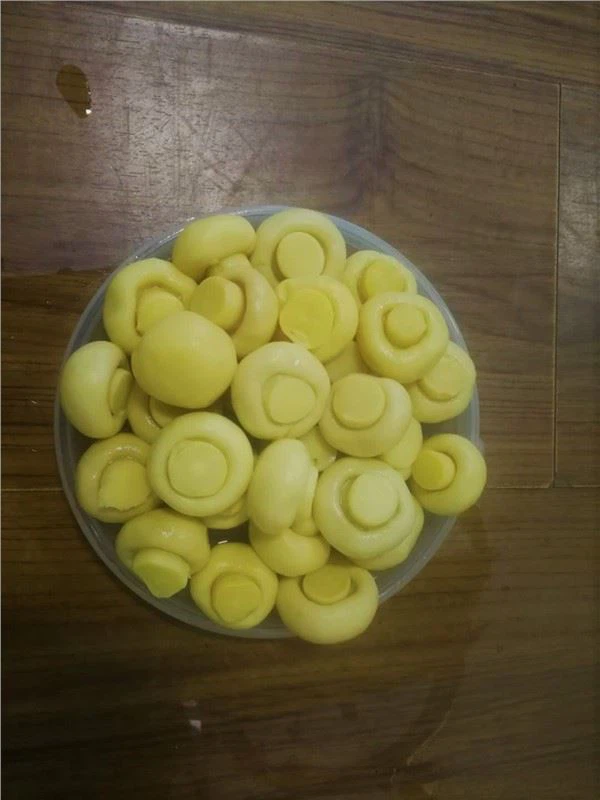

As a supplier of Mushroom In SO2 In Drum, I've been deeply involved in understanding the intricate relationship between mushrooms and sulfur dioxide (SO2) within the drum environment. This topic is not only of scientific interest but also crucial for ensuring the quality and safety of our products. In this blog, I'll delve into how mushrooms react with SO2 in the drum, exploring the chemical processes, implications for preservation, and the overall impact on the final product.
The Role of SO2 in Mushroom Preservation
Sulfur dioxide is a well - known preservative in the food industry, and its use in mushroom preservation is no exception. When mushrooms are placed in a drum with SO2, several key mechanisms come into play. First and foremost, SO2 acts as an antioxidant. Mushrooms are rich in enzymes, such as polyphenol oxidase, which are responsible for the browning reaction. When mushrooms are exposed to air, these enzymes catalyze the oxidation of phenolic compounds, leading to the formation of brown pigments. SO2 inhibits the activity of these enzymes, preventing the browning process and maintaining the fresh appearance of the mushrooms.
The chemical reaction between SO2 and the enzymes in mushrooms is complex. SO2 can react with the active sites of the enzymes, altering their structure and rendering them inactive. This is similar to how other antioxidants work, by interrupting the oxidation chain reaction. Additionally, SO2 can react with oxygen in the drum, reducing the amount of available oxygen for the enzymatic oxidation process.
Chemical Reactions in the Drum
Inside the drum, SO2 exists in different forms. It can dissolve in the brine solution surrounding the mushrooms to form sulfurous acid (H2SO3). The reaction is as follows:
SO2 + H2O ⇌ H2SO3

This sulfurous acid can then further dissociate into hydrogen ions (H+) and bisulfite ions (HSO3 -):
H2SO3 ⇌ H+ + HSO3 -
The bisulfite ions play a significant role in the reaction with mushrooms. They can react with the carbonyl groups present in some of the mushroom's components. For example, they can react with aldehydes and ketones, forming addition products. This reaction not only helps in preserving the mushrooms but also affects their flavor and aroma.
Some of the compounds in mushrooms, such as polysaccharides and proteins, can also interact with SO2. The bisulfite ions can react with the amino groups in proteins, modifying their structure. This can have an impact on the texture of the mushrooms. In some cases, it can lead to a slight softening of the mushrooms, but if the SO2 concentration is well - controlled, it can also help maintain the firmness of the mushrooms by preventing the breakdown of cell walls.
Impact on Mushroom Quality
The reaction between mushrooms and SO2 in the drum has a direct impact on the quality of the final product. From a visual perspective, the use of SO2 helps keep the mushrooms looking fresh and white. This is especially important for consumers who prefer mushrooms with a clean and appealing appearance.
In terms of flavor, the reaction with SO2 can have both positive and negative effects. On one hand, it can help preserve the natural flavor of the mushrooms by preventing the development of off - flavors due to oxidation. On the other hand, if the SO2 concentration is too high, it can impart a pungent and unpleasant taste. Therefore, it is crucial to carefully control the amount of SO2 added to the drum.
The texture of the mushrooms is also affected. As mentioned earlier, the reaction with SO2 can influence the structure of proteins and cell walls. A proper amount of SO2 can help maintain the firmness of the mushrooms, making them more suitable for various cooking methods. However, excessive SO2 can cause the mushrooms to become too soft and mushy.
Our Product Offerings
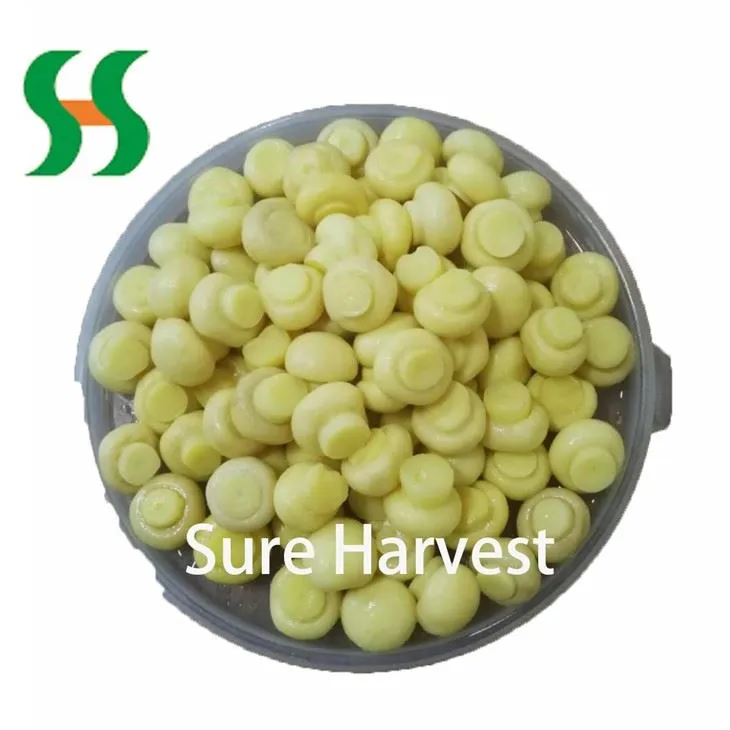
As a supplier, we offer a range of mushroom products that are preserved using SO2 in drums. We have Fresh Mushroom In Brine In Whole, which are whole mushrooms preserved in a brine solution with a carefully controlled amount of SO2. These mushrooms are ideal for use in salads, stir - fries, and other dishes where the whole mushroom shape is desired.
Our Brine Mushrooms are also a popular choice. They are cut into smaller pieces and preserved in brine with SO2. This makes them convenient for use in soups, stews, and sauces.
We also provide Preserved Fresh Mushroom In Brine In Whole, which are whole mushrooms that have been preserved to retain their freshness and flavor. These mushrooms are suitable for a wide range of culinary applications.
Quality Control and Safety
At our company, we take quality control and safety very seriously. We ensure that the amount of SO2 used in our products is within the legal limits set by relevant food safety authorities. We conduct regular tests on our products to monitor the SO2 levels and other quality parameters.
We also follow strict hygiene and safety protocols during the production process. The drums are thoroughly cleaned and sanitized before the mushrooms are added. The brine solution is prepared using high - quality ingredients, and the SO2 is added in a controlled manner to ensure uniform distribution.
Contact for Purchase and Collaboration
If you are interested in purchasing our Mushroom In SO2 In Drum products, we invite you to contact us for further details and to discuss your specific requirements. We are committed to providing high - quality products and excellent customer service. Whether you are a restaurant owner, a food processor, or a distributor, we can work with you to meet your needs.
References
- Fennema, O. R. (1996). Food Chemistry. Marcel Dekker, Inc.
- Whitaker, J. R. (1994). Principles of Enzymology for the Food Sciences. Marcel Dekker, Inc.
- Codex Alimentarius Commission. (2001). Codex General Standard for Food Additives (CODEX STAN 192 - 1995).