
If you’ve ever stood in your kitchen, staring at a wilted bag of spinach and a jar of pre-made vinegar mushrooms tucked in the back of your pantry, you’ve probably wondered: can I use mushroom in vinegar in spinach dips? As a supplier specializing in preserved mushroom products, I’ve fielded this question hundreds of times—from home cooks experimenting with new flavors to small café owners tweaking their menu’s most popular dip. The short answer is yes, but like any ingredient, there’s a science to pairing vinegar-preserved mushrooms with spinach that makes for a balanced, crave-worthy dip. Today, I’m breaking down why this combination works, how to execute it well, and the products we offer to make your spin repeatable every time.
Let’s start with the basics: what are mushroom in vinegar, exactly? These are mushrooms (most often button mushrooms, or champignons, the most versatile variety for dips) that have been cured in a brine of vinegar, water, salt, and sometimes subtle seasonings like garlic or dill. The pickling process does a few key things: it extends the mushroom’s shelf life, adds bright, tangy acidity, and softens the mushroom’s firm, raw texture into something tender and umami-rich. For dips, that’s a game-changer—spinach, when blended into a dip, can be earthy and muted; vinegar mushrooms cut through that dullness while adding layers of flavor that fresh spinach alone can’t provide.
But why spinach specifically? Spinach dips are a staple for a reason: they’re quick to make, pair with almost anything (chips, bread, veggies), and are inherently creamy when blended with yogurt, cream cheese, or sour cream. The problem most people run into is that store-bought spinach dip can feel one-note—salty, maybe a little bitter from overcooked spinach, without any complexity. Vinegar mushrooms solve that by adding a bold, tangy umami that elevates the dip from good to unforgettable. Think about it: the bright acidity cuts through the richness of cream cheese, the mushroom’s earthy depth balances spinach’s grassy flavor, and the tiny bits of mushroom add a satisfying crunch that smooth dips often lack.
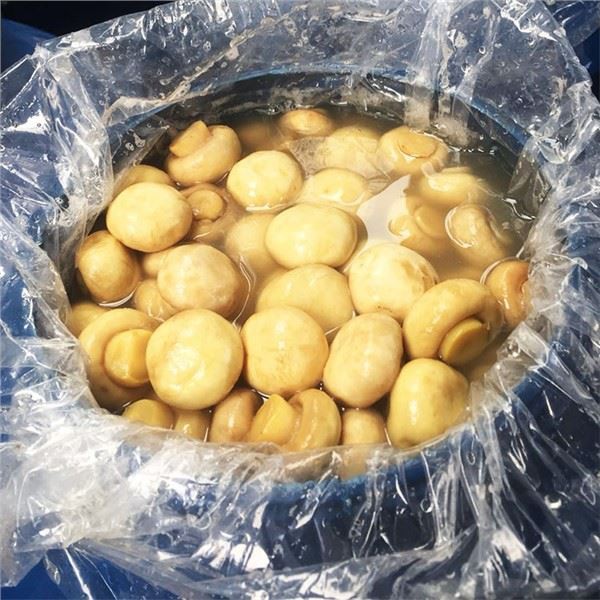
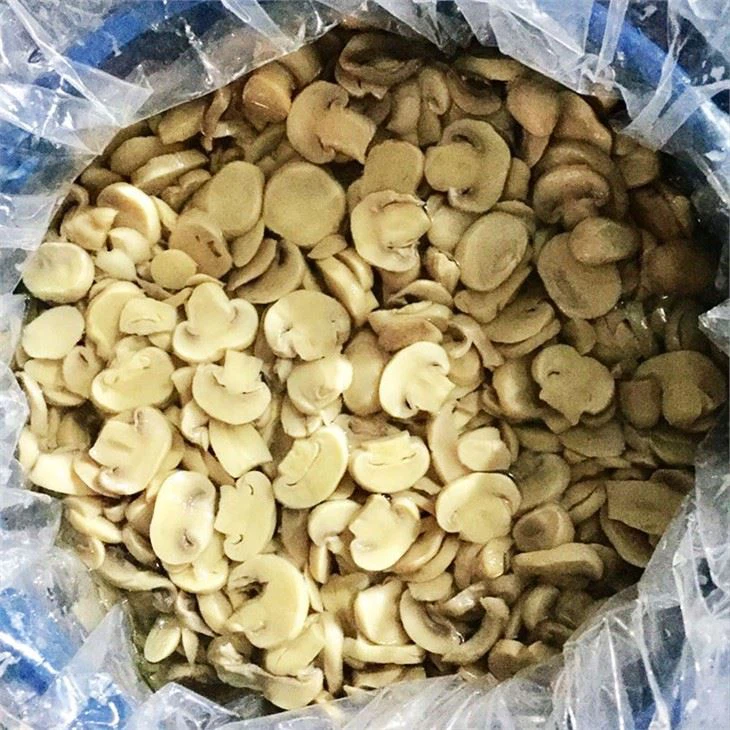
Now, not all vinegar-preserved mushrooms are created equal, and choosing the right one will make or break your dip. Let’s talk about the products we offer, and how each fits into a spinach dip recipe. First, there’s Champignons in Vinegar—these are whole, firm button mushrooms pickled in a mild white vinegar brine, with no added herbs or spices. They’re perfect if you want full control over your dip’s flavor; you can chop them to any size, add your own seasonings (like a pinch of nutmeg, which pairs beautifully with spinach), and adjust the tang to your taste. For someone making a large batch for a party, Vinegar Mushroom in Drums is a cost-effective bulk option—same high quality as our smaller jars, just in large drums for commercial use.
If you prefer a more shelf-stable option for longer prep times, Preserved Mushrooms Wholes in So2 is worth considering. Sulfur dioxide is a common, safe preservative used in pickled mushrooms to retain their color and firmness over months, so these mushrooms stay bright white and hold their shape even when blended. For dips, that means you won’t end up with mushy, gray mushroom bits—instead, you’ll have tender, distinct pieces that add texture. If you want a more uniform look in your dip, our Whole Champignon in Vinegar is great, but if you’re pressed for time, Sliced Champignon in Vinegar is ready to chop into tiny pieces without extra prep.
Of course, there are a few tips to avoid common pitfalls when using vinegar mushrooms in spinach dips. First, always drain the mushrooms well before adding them. The brine from the pickled mushrooms is tangy, but if you add too much of it to the dip, you’ll end up with something too sour, and the extra liquid can make the dip runny. I recommend patting the mushrooms dry with a paper towel after draining, or even letting them sit in a colander for 10 minutes to get rid of excess moisture.
Second, consider the flavor balance. Spinach is slightly bitter, cream cheese is rich, and vinegar mushrooms are tangy—you don’t want the mushrooms to overpower the other ingredients. A good rule of thumb is to use about ½ cup of chopped mushrooms for every 2 cups of spinach dip base (that’s usually about 1 cup of chopped fresh spinach, blended with 1 cup of cream cheese or Greek yogurt). If you’re using mushrooms that are packed in a brine with herbs, like dill or garlic, you can reduce the amount of extra seasonings you add, since the mushrooms will already have flavor.
Another tip: don’t overcook the spinach before blending. A lot of people boil spinach for minutes until it’s mushy, but that removes a lot of its nutrients and makes the dip taste flat. Instead, wilt the spinach quickly in a pan with a little water, or microwave it for 30 seconds, then squeeze out all the excess moisture. This keeps the spinach bright green and retains its fresh, grassy flavor, which pairs much better with the tangy mushrooms.
I’ve tested this combination dozens of times in my own kitchen (and at local café pop-ups), and the results always surprise people. Last summer, I worked with a small sandwich shop that was struggling to make their spinach dip stand out from the competition. We swapped their regular fresh mushrooms for our sliced vinegar mushrooms, drained them well, and added a pinch of lemon zest to brighten the spinach even more. Within a week, they told me customers were asking about the dip, saying it had a “depth” they couldn’t place—all because of the mushrooms.
Some people worry that using vinegar mushrooms will make the dip taste too “pickled,” but that’s only if you don’t adjust the ratio. The key is to use mild vinegar (we use white vinegar for our products, which is less harsh than apple cider or red wine vinegar) and pair it with creamy, mild ingredients like cream cheese or sour cream to mellow the tang. If you prefer a lighter dip, try using Greek yogurt instead of cream cheese—it’s tangy itself, so it will balance the mushrooms even more.
If you’re a home cook, the whole champignons in vinegar are perfect for experimenting—you can chop them into different sizes, add a little of the brine (just a teaspoon at a time) if you want more tang, or even mix them with fresh spinach for a contrast of textures. For commercial kitchens, our drums are ideal because they’re affordable, consistent, and easy to portion out for large batches. We also work with a lot of caterers who use our preserved mushrooms in bulk for events, since they have a long shelf life and don’t require refrigeration until opened.
Now, let’s talk about why our products are different from the store-bought vinegar mushrooms you find in the grocery store. Many grocery store brands add artificial preservatives, or use low-quality mushrooms that turn mushy when pickled. We source our mushrooms fresh, right when they’re at their peak, then pickle them within 24 hours to lock in their flavor. Our brine is simple—just vinegar, water, salt, and sometimes natural seasonings—so you don’t have to worry about weird additives in your dip. We also test every batch for safety and consistency, so you can count on the same taste every time you order from us.
If you’re still unsure about how to incorporate mushrooms in vinegar into your spinach dip, here’s a quick, easy recipe to try at home:
- Wilt 2 cups of fresh spinach, squeeze out all excess moisture, and chop it finely.
- Drain ½ cup of our sliced champignon in vinegar, pat dry, and chop into small pieces.
- Blend 8 oz of cream cheese, ¼ cup of sour cream, 1 clove of minced garlic, and a pinch of nutmeg until smooth.
- Fold in the chopped spinach and mushrooms, then season with salt and pepper to taste.
- Chill for 30 minutes before serving—this lets the flavors meld together.
It’s that simple, and the mushrooms add exactly the kind of complexity that makes the dip memorable.

I get it—if you’ve never used pickled mushrooms in dips, it might seem like an odd choice, but trust me, it works. The tang cuts through the richness, the umami adds depth, and the texture makes the dip feel homemade, not like something you bought at the store. We’ve had so many customers tell us this combination has become their go-to for potlucks, game nights, and casual dinners.
If you’re interested in trying our products for your own dips, or if you’re a business looking to source bulk preserved mushrooms for your menu, we’re here to help. We offer a range of products for every need, from small jars for home cooks to large drums for commercial use, and we can work with you to find the right fit for your recipe. Whether you’re looking for mild whole mushrooms, sliced ones for easy chopping, or preserved mushrooms with extra shelf stability, we have what you need.
Don’t hesitate to reach out to us to discuss your requirements. We’re committed to providing high-quality, consistent products that make your dishes stand out, and we’d love to help you elevate your spinach dip (or any other recipe) with our mushroom in vinegar products.
References:
- Food and Agriculture Organization of the United Nations. (2020). Preservation of fruits and vegetables through pickling. Rome: FAO.
- Lee, S. Y., et al. (2018). Flavor compounds in pickled mushrooms: Effects of vinegar type and fermentation time. Journal of Food Science and Technology, 55(10), 4012–4020.
- U.S. Food and Drug Administration. (2022). Food additives permitted for direct addition to food for human consumption: Sulfur dioxide. Silver Spring, MD: FDA.
- Association of Food Industries. (2021). Best practices for commercial mushroom pickling processes. Washington, DC: AFI.