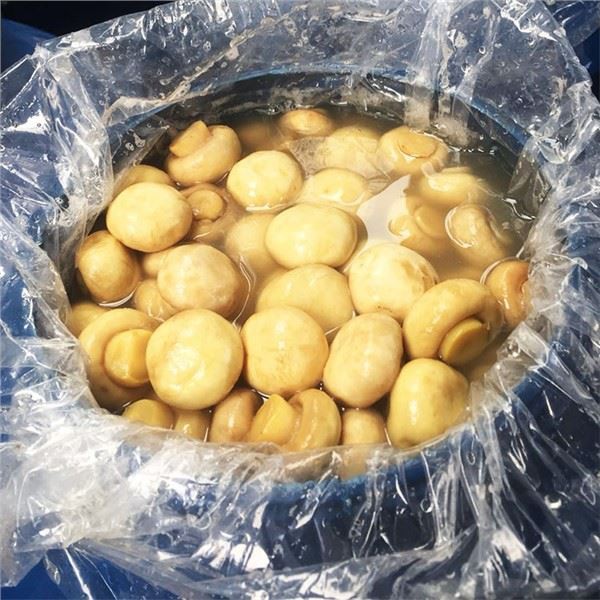

As a supplier of high-quality brined stropharia mushrooms, I get this question all the time from cafe owners, home chefs, and food product developers: Can Stropharia in Brine be used as a topping? The short answer is a resounding yes—but to get the best results, you need to understand how these mushrooms work, their unique flavor profile, and how to prepare them for different dishes. For years, I’ve watched chefs turn our brined stropharia into standout toppings that add depth and umami to everything from pizzas to grain bowls, and today I want to break down why this works, how to use it, and why our products are a reliable choice for anyone looking to experiment.
First, let’s start with the basics to set the stage. Stropharia, often called garden giant mushrooms, is a species that grows in grassy, organic-rich areas. When brined, it develops a firm, meaty texture and a salty, earthy taste that’s far more robust than fresh stropharia, which can be mild and a bit watery. Brining preserves the mushrooms without cooking them, locking in their natural umami compounds while giving them a tangy, slightly briny edge that cuts through rich or bland dishes. That combination makes it perfect for a topping—you don’t have to spend hours sautéing or roasting to add flavor, and it holds up well to other ingredients.
But here’s the thing: not all brined stropharia is created equal. As a supplier, I’ve seen too many chefs try cheaper brined mushrooms that are mushy, overly salty, or have a off, bitter aftertaste. That’s why we focus on our curated line of brined stropharia products, starting with our flagship High Quality Brined Mushroom. We source our stropharia from sustainable farms that follow strict growing practices, then handle the brining process on-site to control salt levels, moisture content, and pH balance. This means our mushrooms stay firm, their flavor is balanced, and they don’t release excess water when used as a topping— a common problem with lower-quality brined mushrooms that can ruin dishes like pizza or flatbreads.
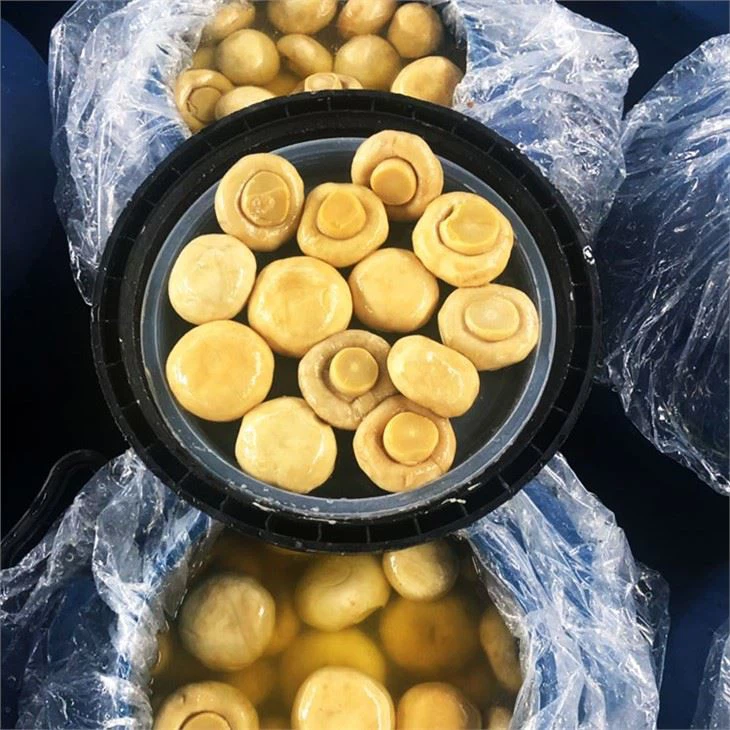
Let’s talk about texture, because that’s a big part of what makes a topping work. When you use stropharia in brine as a topping, you want it to hold its shape, not turn into a slimy mess. Fresh stropharia has a high water content, which means if you try to use it raw as a topping, it’ll release liquid within minutes, making your dish soggy. Brining draws out excess moisture naturally, so our Whole Mushroom in Brine stays plump but firm, with a bite that’s similar to cooked button mushrooms but more substantial. We also offer sliced options for things like salads or crostini, and for larger-scale operations, our Salted Sliced Mushroom In SO2 In Drum and Salted Mushroom In SO2 In Drum are ideal for cafes or product lines that need bulk, consistent mushrooms without sacrificing quality.

Now, let’s get practical: how do you actually use brined stropharia as a topping, and what dishes work best? I’ve worked with dozens of chefs to test this, and the results have been surprisingly versatile. For example, on wood-fired pizza, brined stropharia slices add a salty, earthy punch that pairs perfectly with goat cheese, arugula, or even caramelized onions. The key here is to rinse the mushrooms lightly first—this cuts down on excess salt so your pizza doesn’t end up too briny, and it removes any surface brine that might make the crust soggy. I suggest patting them dry with a paper towel before placing them on the pizza; they’ll crisp up a bit in the oven without losing their firm texture.
Another great use is on grain bowls or buddha bowls. Instead of plain ol’ avocado or roasted veggies, top your quinoa or brown rice with a handful of sliced brined stropharia—their umami deepens the dish, and the salt means you don’t have to add extra sodium (though you can adjust to taste). I’ve seen a chef at a local farm-to-table spot use this as a topping for their warm farro bowl, and it’s become one of their most popular menu items for lunch. The same goes for sandwiches and wraps: adding a few whole brined stropharia mushrooms to a turkey or hummus wrap adds a meaty texture that makes it feel more substantial, without the need for deli meat.
Brined stropharia also works cold for appetizers. Think about crostini with whipped feta—top the feta with a whole brined stropharia mushroom (rinsed, of course) and a drizzle of honey, and you’ve got a balanced, flavorful bite that’s easy to make for parties. I once brought a sample of our whole brined stropharia to a small cocktail party, and by the end of the night, all the crostini were gone, with multiple guests asking where they could buy the mushrooms. That’s the kind of reaction you want from a topping—something that’s easy to use but stands out.
But wait—what about dishes that are more delicate? Can you use brined stropharia on something like a salad? The answer is yes, but with a little prep work. If you’re adding it to a green salad, you’ll want to rinse it well and pat it dry, then maybe even marinate it in a little olive oil and lemon juice for 10 minutes before adding it. This softens the brininess a bit and makes it pair better with fresh greens like spinach or arugula. I don’t recommend using whole large mushrooms on a small side salad—slicing them into smaller pieces works better, and it’s easier for guests to eat.
As a supplier, I also want to address some common concerns about brined mushrooms for topping. One question I get is about shelf life. When stored properly in a sealed container in the fridge, our brined stropharia lasts up to a year, so you can keep a drum of Mushroom in Brine in 50kg Drum in your kitchen without worrying about it going bad quickly. That’s perfect for busy restaurants that need a staple topping they can use all week. Another concern is sodium levels—our brined stropharia is calibrated to have a moderate salt content, not overly salty, so you can control how much you use. If you’re watching your sodium, just rinse the mushrooms more thoroughly, which removes up to 30% of the surface salt.
I should also mention flavor pairing, because that’s what makes a topping successful. Brined stropharia’s earthy, salty taste pairs well with: creamy cheeses (goat, feta, mozzarella), sweet ingredients (honey, caramelized onions, roasted peppers), acidic components (lemon, vinegar), and herbs (thyme, rosemary, parsley). It doesn’t pair as well with very sweet, light dishes, but when balanced correctly, it enhances almost any savory dish. I once helped a pastry chef (yes, even pastry chefs!) add brined stropharia to a savory tart, and it worked beautifully with the cream cheese and chives—proof that this topping isn’t just for savory entrees.
Now, let’s talk about why we do what we do as a supplier. When I started working with stropharia in brine, it was mostly used in Eastern European dishes, but I saw its potential to be a versatile topping for modern menus. We’ve invested in improving our brining process to make sure our products are consistent, because nothing turns a chef off a topping like inconsistent texture or flavor. Our High Quality Brined Mushroom is tested every batch to ensure it meets our standards, and we work with chefs to adjust sizes and packaging based on their needs—whether they need small containers for a cafe or large drums for a food manufacturer.
If you’re a chef, home cook, or food business owner wondering if brined stropharia can be a great topping, my advice is simple: try a high-quality product, prep it properly (rinse, pat dry, adjust for salt), and experiment with dishes. It’s a topping that adds depth without a lot of work, which is perfect in today’s fast-paced food world. I’ve seen too many people overlook brined mushrooms because they think they’re only for canned goods, but that’s not the case when you use a well-brined stropharia that’s been treated with care.
Whether you’re topping a pizza, a salad, a sandwich, or an appetizer, brined stropharia has the texture and flavor to elevate your dish. As a supplier, we’re here to help you find the right product for your needs—whether that’s small retail-sized packages or bulk drums for large-scale use. If you’re ready to incorporate brined stropharia into your menu or your home cooking, reach out to discuss your requirements and get samples. We’re happy to help you find the perfect stropharia in brine for your topping needs, because we believe that great food starts with great ingredients.
References
- Stamets, P. (2000). Growing Gourmet and Medicinal Mushrooms. Ten Speed Press.
- Chang, S. T., & Miles, P. G. (2004). Mushroom Biology and Mushroom Products. CRC Press.
- Food and Agriculture Organization of the United Nations (FAO). (2019). Brining and Preservation of Mushrooms. FAO Agricultural Services Bulletin.
- Ratcliffe, B., & Whitaker, T. (2018). "Texture and Flavor Development in Brined Mushrooms." Journal of Food Science and Technology, 55(12), 4872-4880.