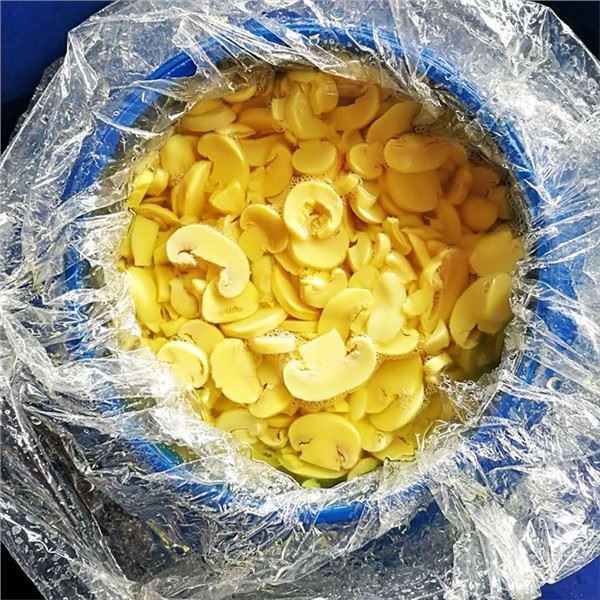

As a supplier of Mushroom Grade B, I've often been asked about the factors that determine the grade of this particular mushroom product. In this blog post, I'll delve into the key elements that play a role in classifying mushrooms as Grade B, and why understanding these factors is crucial for both suppliers and buyers in the market.
Appearance and Size
One of the primary factors in determining the grade of Mushroom Grade B is its appearance and size. Grade B mushrooms typically have a less uniform appearance compared to higher - grade mushrooms. They may have slight blemishes, irregular shapes, or a variation in color. For instance, some mushrooms might have small discolorations on the cap or stem, which are still within acceptable limits but not as visually appealing as Grade A mushrooms.
In terms of size, Grade B mushrooms can also vary more widely. While there are general size guidelines, they may not be as precisely within a narrow range as Grade A. Some may be slightly larger or smaller than the average size expected for the species. This variation in size can affect their usability in certain applications. For example, in a gourmet restaurant that requires perfectly sized mushrooms for a particular dish, Grade B may not be the first choice. However, for food processing companies that use mushrooms in soups, stews, or canned products, the size variation is often less of a concern. You can find more about preserved mushrooms like Fresh Champignon In Brine In Whole which might include Grade B mushrooms suitable for such processing purposes.
Texture and Firmness
Texture and firmness are also important factors. Grade B mushrooms usually have a texture that is a bit softer or less firm compared to higher - grade mushrooms. This can be due to a variety of reasons, such as the stage of maturity at harvest or the growing conditions. Mushrooms that are harvested slightly later in their growth cycle may be softer, as the cell walls have started to break down.
Softer mushrooms may not hold up as well during handling and transportation. They are more prone to damage and bruising, which can further affect their appearance and quality. However, in some cooking methods, a softer texture can be an advantage. For example, in slow - cooked dishes, the softer mushrooms can absorb flavors more readily. Brine Mushrooms are often made from mushrooms of different grades, and the softer texture of Grade B can work well in the brining process, allowing them to soak up the brine flavors.


Purity and Contamination
Purity is a significant factor in grading mushrooms. Grade B mushrooms may have a slightly higher level of non - mushroom matter or minor contamination compared to Grade A. This can include small pieces of dirt, debris, or even tiny insects in some cases. While these levels are still within safety standards, they are more noticeable than in higher - grade products.
The growing environment plays a major role in determining the level of contamination. Mushrooms grown in open fields may be more exposed to environmental elements, increasing the likelihood of debris getting attached to them. On the other hand, mushrooms grown in controlled environments like greenhouses generally have a lower risk of contamination. However, even in controlled settings, there can still be some minor issues that result in a mushroom being classified as Grade B.
Flavor Profile
The flavor of Grade B mushrooms can also differ from higher - grade ones. While the basic mushroom flavor is present, it may be less intense or have some subtle differences. This can be influenced by the growing conditions, such as the type of soil, the amount of sunlight, and the water quality. For example, mushrooms grown in nutrient - rich soil may have a more robust flavor compared to those grown in less fertile soil.
The flavor can also be affected by the processing methods. If the mushrooms are not processed quickly after harvest, the flavor can start to degrade. Grade B mushrooms may have a slightly muted flavor, which can be acceptable in some applications. For instance, in products where the mushroom flavor is just one of many ingredients, such as in a mixed vegetable soup, the less intense flavor of Grade B mushrooms may not be a drawback. Top Quality Mushroom in Drum might include a mix of grades, and understanding the flavor differences can help in choosing the right product for different recipes.
Shelf Life
Shelf life is another consideration in grading mushrooms. Grade B mushrooms generally have a shorter shelf life compared to higher - grade mushrooms. This is mainly due to their softer texture and higher susceptibility to spoilage. The minor blemishes and softer cell walls make them more vulnerable to mold growth and bacterial contamination.
To extend the shelf life of Grade B mushrooms, proper storage and preservation methods are essential. Refrigeration is a common method, but even with refrigeration, the shelf life is still limited. Some food processing companies may use preservation techniques like canning or freezing to increase the usability of Grade B mushrooms. Canned mushrooms, for example, can have a much longer shelf life, making them a practical option for both suppliers and buyers.
Market Demand and Pricing
The market demand for Mushroom Grade B is influenced by its characteristics. As mentioned earlier, food processing companies are often the main buyers of Grade B mushrooms. They are looking for cost - effective options that can still provide the basic mushroom flavor and texture for their products. Since Grade B mushrooms are generally priced lower than higher - grade mushrooms, they offer a good balance between quality and cost.
The pricing of Grade B mushrooms is determined by a combination of factors. The cost of production, including the growing, harvesting, and processing costs, plays a role. Additionally, the market supply and demand dynamics also affect the price. If there is a high supply of Grade B mushrooms and low demand, the price will likely be lower. On the other hand, if there is a shortage of higher - grade mushrooms, the demand for Grade B may increase, leading to a price increase.
Why Choose Our Mushroom Grade B?
As a supplier of Mushroom Grade B, I can assure you that our products are carefully selected and processed to meet the highest safety and quality standards. We understand the unique requirements of different customers, whether they are food processing companies, restaurants, or retailers.
Our mushrooms are sourced from reliable growers who follow strict cultivation practices. We conduct thorough inspections to ensure that the mushrooms meet the criteria for Grade B. We also use advanced preservation techniques to extend the shelf life of our products, so you can be confident in the quality and freshness of the mushrooms you receive.
If you are interested in purchasing our Mushroom Grade B, I encourage you to reach out to us for a procurement negotiation. We are committed to providing you with the best possible product at a competitive price. Whether you need a small quantity for a local business or a large - scale supply for a national food chain, we can work with you to meet your specific needs.
References
- "Mushroom Science and Technology" by various authors, a comprehensive resource on mushroom cultivation, grading, and processing.
- Industry reports on the global mushroom market, which provide insights into market trends, demand, and pricing of different mushroom grades.