
Hey there! I'm a supplier of Mushroom Grade A, and I often get asked about the kind of substrate used for growing these top - notch mushrooms. So, I thought I'd share some insights on this topic.
First off, let's understand why the substrate is so important. The substrate is like the food and home for mushrooms. It provides all the nutrients they need to grow big, healthy, and of course, reach that Grade A status.
One of the most commonly used substrates for growing Mushroom Grade A is a mixture based on agricultural waste. Straw is a great starting point. It's readily available, relatively inexpensive, and provides a good structure for the mycelium (the vegetative part of the fungus) to colonize. Wheat straw, in particular, is often favored because it has a good balance of nutrients and a suitable texture.
To prepare the straw substrate, it first needs to be chopped into small pieces. This increases the surface area for the mycelium to attach to. After chopping, the straw is usually pasteurized. Pasteurization is crucial as it kills off any competing organisms like bacteria and mold that could otherwise harm the mushroom growth. This process can be done by soaking the straw in hot water (around 60 - 70 degrees Celsius) for a few hours.
Another important ingredient that's often added to the straw substrate is manure. Horse manure is a popular choice. It's rich in nitrogen and other essential nutrients that mushrooms love. The combination of straw and manure creates a nutrient - rich environment. The manure helps to break down the straw further, making the nutrients more accessible to the mycelium.
When using manure, it also needs to be properly processed. It should be aged to reduce its ammonia content, which can be toxic to the mushrooms if present in high amounts. Once aged, the manure is mixed thoroughly with the pasteurized straw. The ratio of straw to manure can vary depending on the specific type of mushroom being grown, but a common ratio is around 2:1 (straw to manure).
Some growers also like to add supplements to the substrate to boost the mushroom's growth and quality. For example, soybean meal is a great supplement. It's high in protein, which can enhance the flavor and size of the mushrooms. Gypsum is another common addition. It helps to improve the structure of the substrate, making it more porous and allowing for better air circulation and water retention.
Now, there are different types of Mushroom Grade A, and each might have slightly different substrate preferences. For instance, button mushrooms (Agaricus bisporus), which are a well - known type of Grade A mushroom, thrive in a substrate that has a good balance of carbon and nitrogen. The straw - manure - supplement mix we talked about earlier is ideal for them.
On the other hand, oyster mushrooms (Pleurotus ostreatus) can be a bit more flexible. They can grow on a wider range of substrates, including sawdust. Sawdust from hardwoods like oak or maple is often used. It needs to be pre - soaked to remove any harmful chemicals and then pasteurized or sterilized. Oyster mushrooms can also grow on agricultural by - products like corn cobs and cottonseed hulls.
The process of inoculating the substrate with mushroom spawn is also crucial. Mushroom spawn is like the “seed” of the mushroom. It contains the mycelium of the mushroom strain. Once the substrate is prepared and cooled down, the spawn is mixed in carefully. The mixture is then placed in growing containers, which can be bags, trays, or beds.


During the growth process, the substrate needs to be kept at the right temperature, humidity, and air conditions. Different mushrooms have different requirements. Button mushrooms, for example, prefer a temperature of around 22 - 24 degrees Celsius during the mycelium colonization phase and then a slightly lower temperature (around 16 - 18 degrees Celsius) for the fruiting phase.
As a Mushroom Grade A supplier, I can attest to the fact that the quality of the substrate directly impacts the quality of the mushrooms. Using high - quality ingredients and following proper substrate preparation techniques is essential for producing mushrooms that meet the Grade A standards.
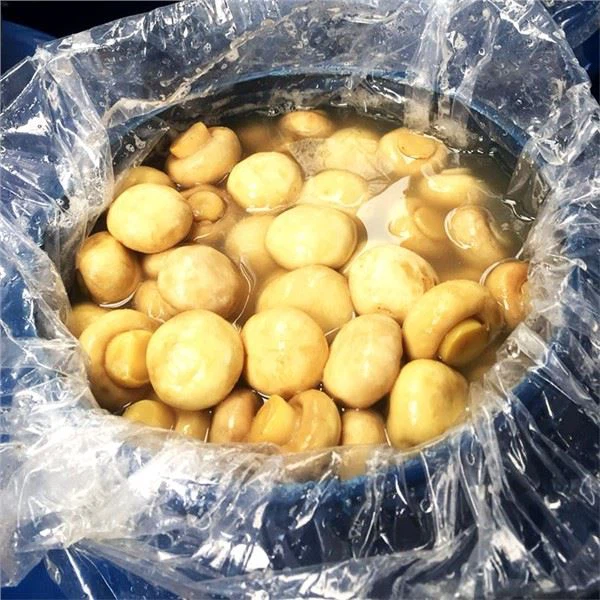
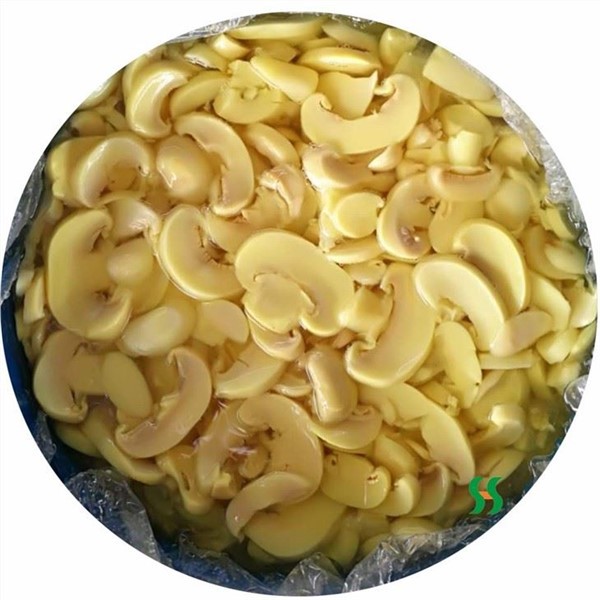
If you're interested in our Mushroom Grade A products, you can check out our offerings on our website. We have some amazing products like Chinese Champignon in SO2 in Barrel and Top Quality Mushroom in Drum. Of course, our star product is Mushroom Grade A.
Whether you're a restaurant owner looking to add some top - notch mushrooms to your menu or a distributor wanting to stock high - quality products, we'd love to talk to you. If you're interested in purchasing our Mushroom Grade A products, don't hesitate to reach out. We're always open to discussing business opportunities and making deals that work for both parties.
References:
- Stamets, Paul. "Growing Gourmet and Medicinal Mushrooms." Ten Speed Press, 1993.
- Chang, S. T., & Miles, P. G. "Edible Mushrooms and Their Cultivation." CRC Press, 1989.