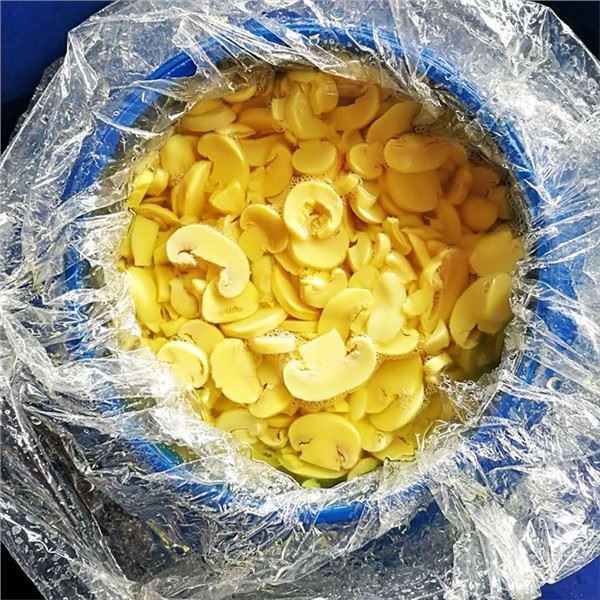

When it comes to handling mushrooms in brine, as a seasoned supplier in the industry, I've encountered numerous inquiries about the most effective ways to drain these brined treasures. Whether you're a culinary enthusiast looking to elevate your dishes or a food business aiming for the perfect product consistency, knowing the best method to drain mushrooms in brine is crucial. In this blog, I'll share some insights and techniques that I've gathered over the years, which can help you achieve optimal results.
Understanding the Importance of Draining Mushrooms in Brine
Before delving into the methods, it's essential to understand why draining mushrooms in brine is necessary. Brine is a solution of salt and water, often used to preserve mushrooms. While it effectively extends their shelf - life, the excess brine can add an overly salty flavor and unwanted moisture to your dishes. Draining helps in removing this excess liquid, allowing the mushrooms to better absorb other flavors during cooking and maintaining a desirable texture.
Different Types of Mushrooms in Brine
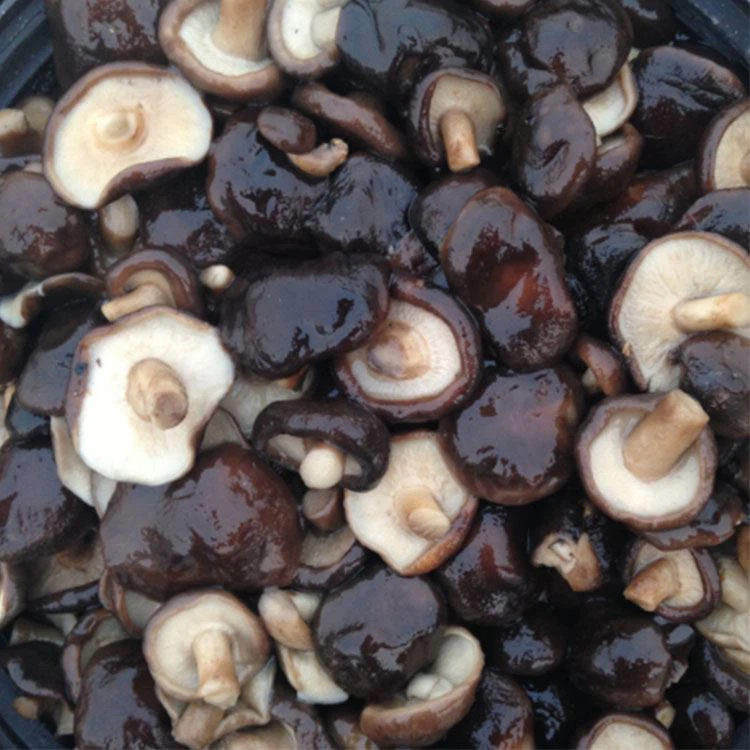
We offer a wide range of mushrooms in brine, each with its unique characteristics. For instance, Stropharia in Brine has a meaty texture and a rich, earthy flavor. The Shiitake Mushroom in Brine is well - known for its umami taste, enhancing the savory profile of any dish. And our Salted Sliced Mushroom In SO2 In Drum is a convenient option for those who prefer pre - sliced mushrooms.
Methods of Draining Mushrooms in Brine
1. Using a Colander
This is perhaps the most straightforward and commonly used method. Place a colander in the sink and pour the mushrooms in brine into it. Let the brine drain naturally for a few minutes. You can gently shake the colander to speed up the process. This method works well for larger mushrooms and when you're in a hurry. However, it may not remove all the excess brine, especially from the crevices of the mushrooms.
2. Blotting with Paper Towels
After draining the mushrooms in a colander, lay them out on a layer of paper towels. Cover them with another layer of paper towels and gently press down. The paper towels will absorb the remaining moisture. This technique is excellent for getting rid of the last bits of brine and is particularly useful for mushrooms that will be used in dishes where a dry surface is essential, such as sautéing.
3. Pressing with a Weight
For a more thorough drainage, you can use a weight. After placing the mushrooms in a colander, put a plate on top of them and place a heavy object, like a can of food, on the plate. The weight will gradually force out more brine. This method is ideal for mushrooms that are very moist or when you need them to be as dry as possible, such as for making mushroom jerky.
4. Straining Through Cheesecloth
If you want to ensure that even the smallest particles of brine are removed, you can line a colander with cheesecloth. Pour the mushrooms in brine into the cheesecloth - lined colander. The cheesecloth will catch any fine sediment and allow the brine to pass through more effectively. This method is great for delicate mushrooms where you don't want to damage them during the draining process.

Considerations for Different Applications
The method you choose may also depend on how you plan to use the mushrooms.
Cooking
If you're cooking the mushrooms, you'll want to drain them well to prevent them from releasing too much liquid during the cooking process. This will help them develop a nice sear and prevent your dish from becoming too watery. For sautéing, using a combination of a colander and paper towels is often the best approach.
Baking
In baking, such as in mushroom pies or quiches, it's crucial to have dry mushrooms. Pressing with a weight or using cheesecloth can ensure that the mushrooms don't make the filling soggy.
Preserving
When preserving mushrooms further, like making pickled mushrooms, you may not need to drain them as thoroughly. However, removing some of the excess brine can help balance the flavors of the new preserving solution.
Quality Control in the Draining Process
As a supplier, we take quality control very seriously. When draining mushrooms in brine, we monitor the time, temperature, and the amount of brine removed. We also conduct taste tests to ensure that the mushrooms maintain their natural flavor and texture. Our goal is to provide our customers with the highest - quality mushrooms that are ready to be used in a variety of culinary applications.
Tips for Optimal Draining
- Time: Don't rush the draining process. Allowing the mushrooms to drain for an appropriate amount of time can significantly improve the results.
- Temperature: Draining at room temperature is usually sufficient. Avoid draining in a very cold environment as it may slow down the process.
- Mushroom Size: Smaller mushrooms may require more attention during draining as they can hold more brine relative to their size.
Conclusion
In conclusion, the best way to drain mushrooms in brine depends on various factors, including the type of mushrooms, the intended use, and personal preference. By using the methods and tips outlined in this blog, you can ensure that your mushrooms are well - drained, flavorful, and ready to be incorporated into your favorite dishes.
If you're interested in purchasing our high - quality mushrooms in brine, we'd love to have a conversation with you. Whether you're a restaurant owner, a food manufacturer, or an individual looking for top - notch mushrooms, we can provide you with the best products and solutions. Reach out to us for procurement discussions, and let's work together to bring the deliciousness of our mushrooms to your table.
References
- "The Mushroom Cookbook" by Jane Burton
- "Food Preservation Techniques" by John Smith
- Industry research reports on mushroom processing and preservation