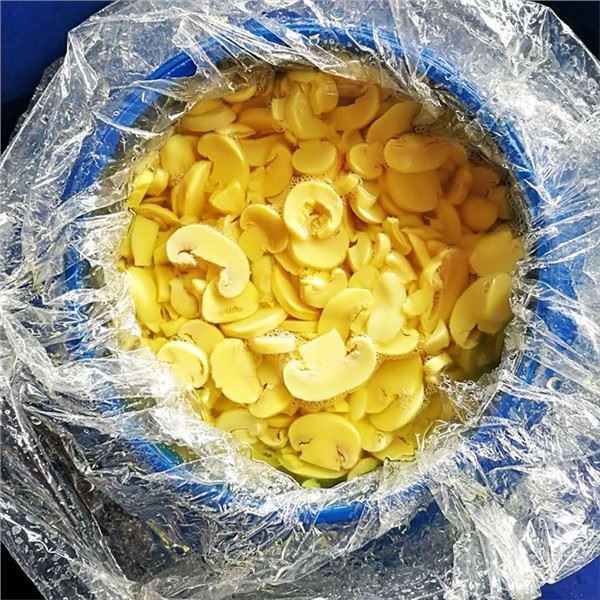

Hey there! I'm a supplier of Mushroom In SO2 In Drum, and today I wanna chat about something super interesting: the gas composition change in the drum with mushrooms and SO2.
First off, let's talk a bit about what we're dealing with. We've got mushrooms, those delicious fungi that many of us love in our meals, and sulfur dioxide (SO2). SO2 is commonly used in the preservation of mushrooms. It helps to keep them fresh - looking, prevent discoloration, and also has some antibacterial properties.
When mushrooms are packed in drums along with SO2, a series of chemical and biological processes start to happen, which in turn lead to changes in the gas composition inside the drum.
One of the key players in this process is the mushrooms themselves. Mushrooms are living organisms, even after they've been harvested. They continue to respire, which means they take in oxygen (O2) and release carbon dioxide (CO2). So, right from the start, as soon as the mushrooms are sealed in the drum, the O2 level inside begins to drop, and the CO2 level starts to rise.
Let's take a closer look at the role of SO2. SO2 not only acts as a preservative but also affects the gas composition. It can react with some of the gases inside the drum. For example, SO2 can react with O2 under certain conditions to form sulfur trioxide (SO3). This reaction reduces the amount of O2 in the drum even further. And since SO3 can dissolve in water (and there's usually some moisture in the drum), it can form sulfuric acid (H2SO4) in small amounts. This reaction can also have an impact on the overall pH inside the drum, which in turn can affect the growth of any remaining microorganisms.

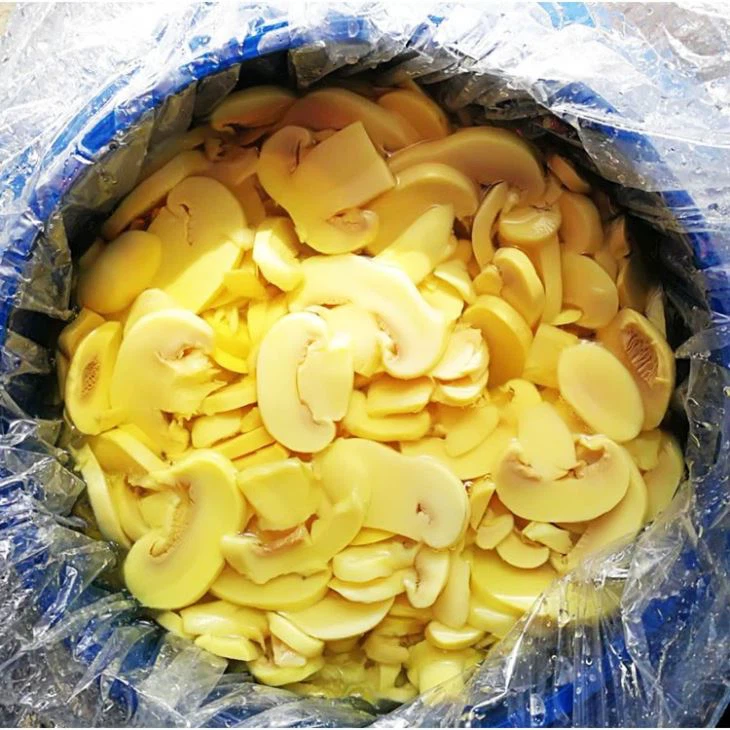
Another aspect to consider is the microbial activity. Even though SO2 helps to inhibit the growth of many microorganisms, there might still be some hardy ones that can survive. These microorganisms can also contribute to the gas composition change. Some bacteria and yeasts can ferment sugars present in the mushrooms, producing ethanol and CO2. This fermentation process can increase the CO2 concentration inside the drum.
Over time, the gas composition in the drum reaches a sort of equilibrium. The rate of O2 consumption by the mushrooms and the reactions involving SO2 slows down, and the production of CO2 from respiration, fermentation, and other reactions also stabilizes. However, this equilibrium can be affected by various factors such as the initial amount of mushrooms, the concentration of SO2, the temperature, and the storage conditions.
For instance, if the temperature is higher, the respiration rate of the mushrooms will increase. This means they'll consume more O2 and produce more CO2 at a faster rate. Similarly, a higher concentration of SO2 might lead to more reactions with O2 and other gases, altering the gas composition in a different way.
Now, why is all this important? Well, understanding the gas composition change in the drum is crucial for us as suppliers. It helps us ensure the quality and safety of our products. If the gas composition is not right, it could lead to spoilage of the mushrooms. For example, if the CO2 concentration gets too high, it can create an anaerobic environment that might promote the growth of certain harmful bacteria. On the other hand, if there's too much O2 left in the drum, it could cause oxidation of the mushrooms, leading to discoloration and a loss of flavor.
As a supplier, we use various techniques to monitor and control the gas composition in the drums. We use gas sensors to measure the levels of O2, CO2, and SO2 at different stages of storage. Based on the readings, we can adjust the storage conditions if necessary. For example, if the O2 level is too high, we might consider adding a bit more SO2 or adjusting the temperature to slow down the respiration of the mushrooms.
If you're interested in our products, like Mushroom Cogumelos in SO2, Preserved Mushroom in Drum, or Fresh Agaricus In Brine In Whole, we'd love to hear from you. Whether you're a restaurant owner looking for high - quality preserved mushrooms or a food distributor wanting to add our products to your inventory, we're here to provide you with the best. Contact us for more information and let's start a great business relationship!
References
- Smith, J. (2018). "The Chemistry of Food Preservation". Food Science Journal, 25(3), 123 - 135.
- Johnson, A. (2019). "Microbial Activity in Packaged Foods". Microbiology Today, 32(2), 89 - 96.
- Brown, C. (2020). "Respiration of Harvested Mushrooms". Fungal Biology Review, 15(4), 201 - 210.