
What is the shelf life of unopened whole mushroom in brine?
As a supplier of whole mushrooms in brine, I often get asked about the shelf life of our products. Understanding the shelf life of unopened whole mushrooms in brine is crucial for both us as suppliers and our customers. It ensures that the mushrooms maintain their quality, flavor, and safety from the time they leave our production facility until they reach the end - user.
Factors Affecting Shelf Life
Several factors play a significant role in determining the shelf life of unopened whole mushrooms in brine.
1. Brine Composition
The brine is not just water and salt; it's a carefully formulated solution that acts as a preservative. The salt concentration in the brine is a key factor. A higher salt concentration generally inhibits the growth of microorganisms. Most of our brines have a salt content between 8 - 12%. This level of salinity creates an environment where many bacteria, yeasts, and molds struggle to survive. Additionally, we may add small amounts of other preservatives, such as citric acid, which helps to maintain the pH level of the brine. A slightly acidic pH (around 4 - 5) further enhances the preservation effect.
2. Packaging
We use high - quality, airtight packaging for our whole mushrooms in brine. Cans are a popular choice as they provide an excellent barrier against oxygen, light, and moisture. Oxygen can cause oxidation of the mushrooms, leading to discoloration and loss of flavor. Light can also have a negative impact on the quality of the mushrooms over time. Our cans are made of food - grade materials that are resistant to corrosion and ensure that the brine and mushrooms inside remain protected. Plastic jars with tight - fitting lids are also used in some of our product lines. These jars are designed to prevent any leakage and keep the brine and mushrooms in a stable environment.
3. Storage Conditions
The temperature at which the unopened whole mushrooms in brine are stored is critical. Ideally, they should be stored in a cool, dry place. A temperature range of 10 - 20°C (50 - 68°F) is recommended. Higher temperatures can accelerate the growth of microorganisms and chemical reactions within the brine and mushrooms. For example, if the mushrooms are stored in a hot warehouse where the temperature reaches 30°C (86°F) or more, the shelf life can be significantly reduced. On the other hand, extremely low temperatures, such as freezing, can damage the texture of the mushrooms.
Typical Shelf Life
Under optimal storage conditions, unopened whole mushrooms in brine can have a relatively long shelf life. On average, our products have a shelf life of 18 - 24 months from the date of production. This long shelf life is one of the advantages of buying whole mushrooms in brine. It allows our customers, whether they are retailers or food service providers, to stock up on our products without worrying about them spoiling quickly.
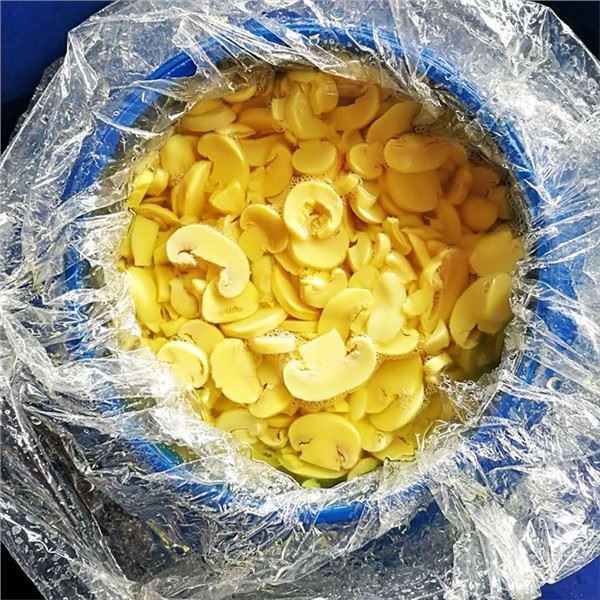
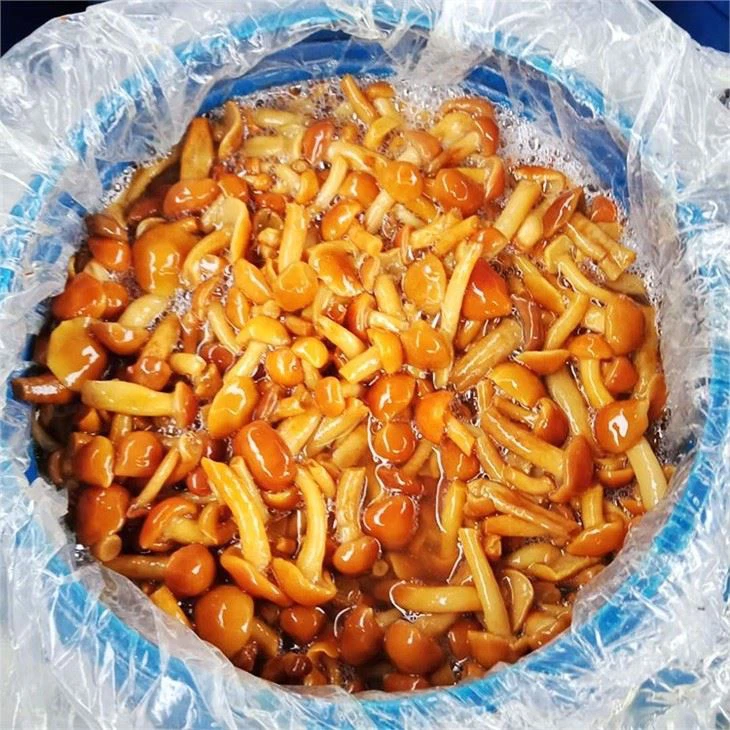
However, it's important to note that the shelf life can vary depending on the specific type of mushroom. For instance, Shimeji Mushroom in Brine may have a slightly different shelf life compared to Salted Champignon Mushroom. Shimeji mushrooms have a more delicate texture, and while the brine helps to preserve them, they may have a shelf life towards the lower end of the 18 - 24 - month range. Champignon mushrooms, which are more robust, may be able to maintain their quality for closer to 24 months.
Quality Assurance
As a supplier, we conduct regular quality checks to ensure that our whole mushrooms in brine meet the highest standards throughout their shelf life. We test the brine for salt concentration, pH level, and the presence of any harmful microorganisms. We also examine the mushrooms for texture, color, and flavor. Before shipping our products, we make sure that they are within the specified shelf - life period and that the packaging is intact.

Extending Shelf Life
If our customers want to extend the shelf life of our unopened whole mushrooms in brine even further, there are a few things they can do. First, they should store the products in a consistent temperature environment. Avoiding temperature fluctuations is key. For example, if the mushrooms are stored in a place where the temperature goes from cold at night to hot during the day, it can cause stress on the mushrooms and the brine, potentially reducing the shelf life.
Second, they should keep the products away from direct sunlight. Sunlight can heat up the cans or jars and also cause chemical changes in the mushrooms and brine. Storing them in a pantry or a cool storage room is ideal.
When to Be Cautious
Even though unopened whole mushrooms in brine have a long shelf life, there are some signs that our customers should watch out for. If the can or jar is dented, bulging, or leaking, it's a sign that there may be a problem. A bulging can could indicate the presence of gas produced by microorganisms, which means the product may be spoiled. Leaking brine can also allow oxygen and contaminants to enter the package, compromising the quality of the mushrooms.
If the mushrooms have an off - odor, an unusual color (such as a dark or slimy appearance), or a strange texture when the package is finally opened, they should not be consumed.
Conclusion
In conclusion, the shelf life of unopened whole mushrooms in brine is typically between 18 - 24 months under optimal storage conditions. As a supplier, we take great care in formulating the brine, choosing the right packaging, and ensuring proper quality control to provide our customers with a high - quality product that lasts. Our Shimeji Mushroom in Brine, Salted Champignon Mushroom, and Salted Mushroom In SO2 In Drum are all products that we stand behind in terms of quality and shelf life.
If you are interested in purchasing our whole mushrooms in brine, we invite you to contact us for a procurement discussion. We can provide you with more detailed information about our products, pricing, and delivery options.
References
- "Food Preservation Techniques" by John F. Kennedy. This book provides in - depth knowledge about different preservation methods for various food products, including mushrooms in brine.
- "Microbiology of Food" by Mary Ann Tortora. It offers insights into the role of microorganisms in food spoilage and how to prevent it, which is relevant to understanding the shelf life of our mushroom products.