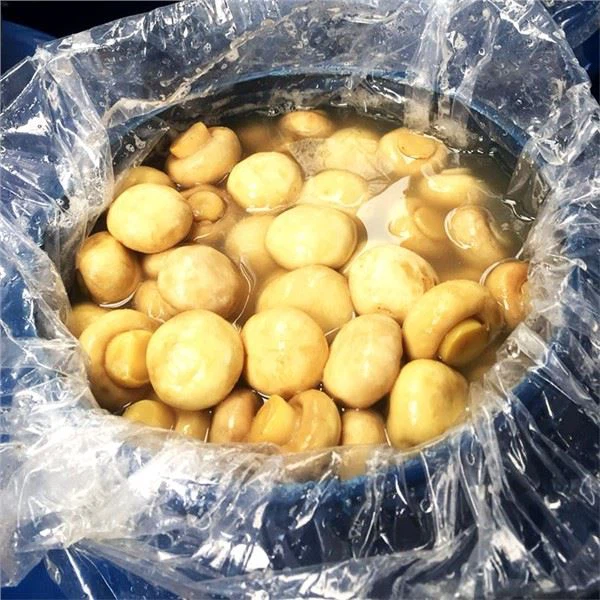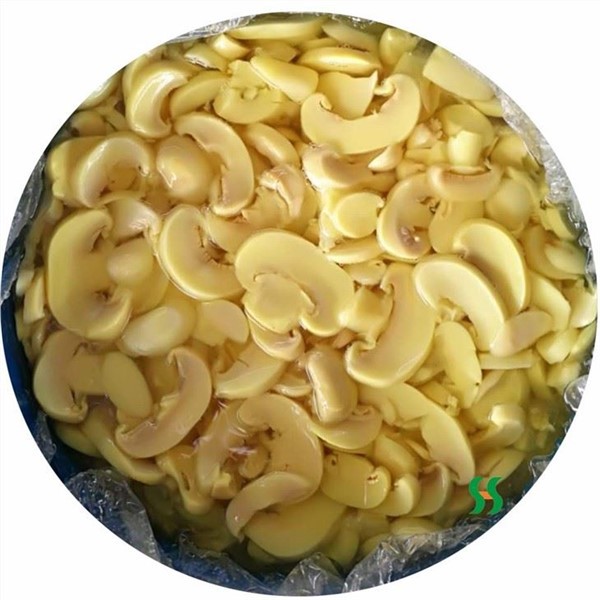

As a supplier of Mushroom In Bottles, I've spent a great deal of time researching and understanding the nutritional needs of these unique fungi. Mushrooms are fascinating organisms, and when grown in bottles, they have specific requirements to thrive and develop into high - quality products. In this blog, I'll delve into the key nutrients that mushrooms in bottles need.
Macronutrients
Carbon
Carbon is one of the most fundamental nutrients for mushrooms. Mushrooms are heterotrophic organisms, which means they cannot produce their own food through photosynthesis like plants. Instead, they obtain carbon from organic matter. In the context of bottle - grown mushrooms, the substrate serves as the primary source of carbon. Common substrates include sawdust, straw, and agricultural by - products. These materials are rich in cellulose, hemicellulose, and lignin, which are complex carbon - containing compounds.
The decomposition of these carbon sources by the mushroom mycelium is a crucial process. Enzymes secreted by the mycelium break down the complex polymers into simpler sugars, such as glucose, which can be absorbed and utilized by the mushroom. For example, white - rot fungi can break down lignin, a tough and complex polymer, while brown - rot fungi mainly target cellulose and hemicellulose. The availability of carbon in the substrate directly affects the growth rate and yield of the mushrooms. If the carbon source is too limited, the mycelium may grow slowly, and the mushrooms may be small and of poor quality.
Nitrogen
Nitrogen is another essential macronutrient for mushroom growth. It is required for the synthesis of proteins, nucleic acids, and other nitrogen - containing compounds in the mushroom cells. In bottle - grown mushrooms, nitrogen can be supplied in various forms. Organic nitrogen sources, such as soybean meal, wheat bran, and fish meal, are commonly used. These materials not only provide nitrogen but also other nutrients and growth factors.
The ratio of carbon to nitrogen (C:N ratio) in the substrate is a critical factor. A proper C:N ratio is necessary for optimal mushroom growth. Generally, a C:N ratio of around 20 - 30:1 is considered suitable for most mushroom species. If the C:N ratio is too high, the nitrogen may be limiting, and the mycelium may not be able to grow efficiently. On the other hand, if the C:N ratio is too low, there may be an excess of nitrogen, which can lead to the growth of unwanted microorganisms and affect the quality of the mushrooms.
Phosphorus
Phosphorus plays a vital role in energy transfer and storage within the mushroom cells. It is a component of adenosine triphosphate (ATP), the energy currency of cells. Phosphorus is also involved in the synthesis of nucleic acids and cell membranes. In bottle - grown mushrooms, phosphorus can be supplied through inorganic phosphate salts, such as calcium phosphate or potassium phosphate.
The availability of phosphorus in the substrate affects the growth and development of the mushrooms. Adequate phosphorus levels promote strong mycelial growth and the formation of healthy fruiting bodies. Insufficient phosphorus can lead to stunted growth and reduced yields.
Potassium
Potassium is an important macronutrient for mushrooms. It is involved in osmoregulation, enzyme activation, and the maintenance of cell turgor. Potassium helps the mushrooms to withstand environmental stresses, such as drought and temperature fluctuations. In the substrate, potassium can be supplied through potassium salts, such as potassium chloride or potassium sulfate.
A proper potassium level in the substrate is essential for the normal growth and development of the mushrooms. Deficiency of potassium can result in poor growth, reduced resistance to diseases, and abnormal fruiting body formation.
Micronutrients
Calcium
Calcium is a micronutrient that is important for the cell wall structure and stability of mushrooms. It helps to maintain the integrity of the cell membrane and plays a role in cell division and differentiation. In bottle - grown mushrooms, calcium can be supplied through calcium carbonate or calcium sulfate.
Calcium also affects the pH of the substrate. A proper calcium level can help to buffer the substrate and maintain a suitable pH for mushroom growth. Insufficient calcium can lead to weak cell walls and increased susceptibility to diseases.
Magnesium
Magnesium is a co - factor for many enzymes involved in metabolic processes in mushrooms. It is essential for the synthesis of chlorophyll (although mushrooms do not perform photosynthesis, they still have some related metabolic pathways) and the activation of enzymes involved in energy metabolism. Magnesium can be supplied through magnesium sulfate or other magnesium salts in the substrate.


Adequate magnesium levels are necessary for the normal growth and development of the mushrooms. Deficiency of magnesium can lead to reduced enzyme activity and impaired metabolic processes.
Iron
Iron is required for the synthesis of heme proteins, such as cytochromes, which are involved in electron transport and energy production in the mushroom cells. Iron also plays a role in the synthesis of enzymes involved in oxidation - reduction reactions. In bottle - grown mushrooms, iron can be supplied through iron salts, such as ferrous sulfate.
The availability of iron in the substrate affects the growth and development of the mushrooms. Insufficient iron can lead to reduced enzyme activity and impaired energy production, resulting in poor growth and development.
Zinc
Zinc is a micronutrient that is involved in many enzymatic reactions in mushrooms. It is essential for the synthesis of proteins, nucleic acids, and cell membranes. Zinc also plays a role in the regulation of gene expression. In bottle - grown mushrooms, zinc can be supplied through zinc sulfate or other zinc salts.
A proper zinc level in the substrate is necessary for the normal growth and development of the mushrooms. Deficiency of zinc can lead to reduced enzyme activity, abnormal growth, and reduced resistance to diseases.
Vitamins and Growth Factors
Mushrooms also require certain vitamins and growth factors for optimal growth. For example, thiamine (vitamin B1) is essential for carbohydrate metabolism in mushrooms. Biotin is involved in the synthesis of fatty acids and amino acids. These vitamins can be present in the substrate or can be added as supplements.
Some mushrooms also require specific growth factors, such as indole - 3 - acetic acid (IAA), which can promote mycelial growth and fruiting body formation. These growth factors can be obtained from the substrate or can be added externally to enhance the growth of the mushrooms.
Conclusion
In conclusion, mushrooms in bottles have specific nutritional requirements that need to be met for optimal growth and development. Macronutrients such as carbon, nitrogen, phosphorus, and potassium, as well as micronutrients like calcium, magnesium, iron, and zinc, are essential for the normal functioning of the mushroom cells. Vitamins and growth factors also play important roles in promoting growth and enhancing the quality of the mushrooms.
As a supplier of Mushroom In Bottles, we ensure that our products are grown under optimal conditions, providing the right balance of nutrients to produce high - quality mushrooms. We also offer Canned Champignon and Canned Mushroom PNS for those who prefer processed mushroom products.
If you are interested in purchasing our mushroom products or have any questions about the nutritional needs of mushrooms in bottles, please feel free to contact us for further discussion and procurement negotiations.
References
- Stamets, P. (2005). Growing Gourmet and Medicinal Mushrooms. Ten Speed Press.
- Chang, S. T., & Miles, P. G. (2004). Mushroom Biology: A New Introduction to Mushroom Science. CRC Press.
- Smith, J. E., & Berry, D. R. (2002). The Mycelium Running: How Mushrooms Can Help Save the World. North Atlantic Books.