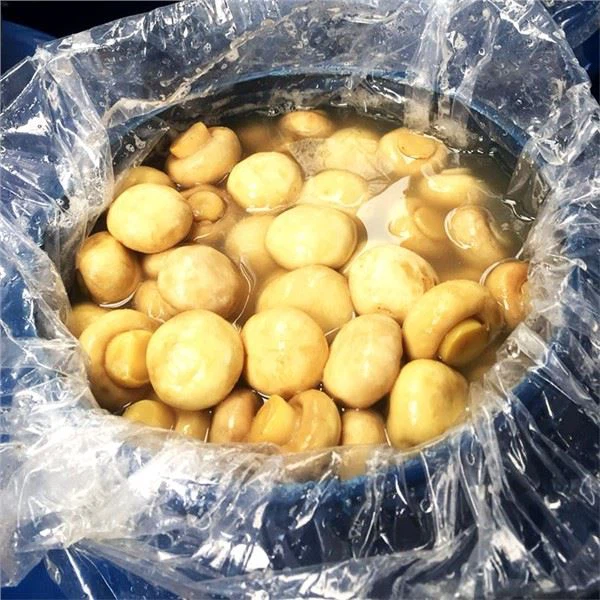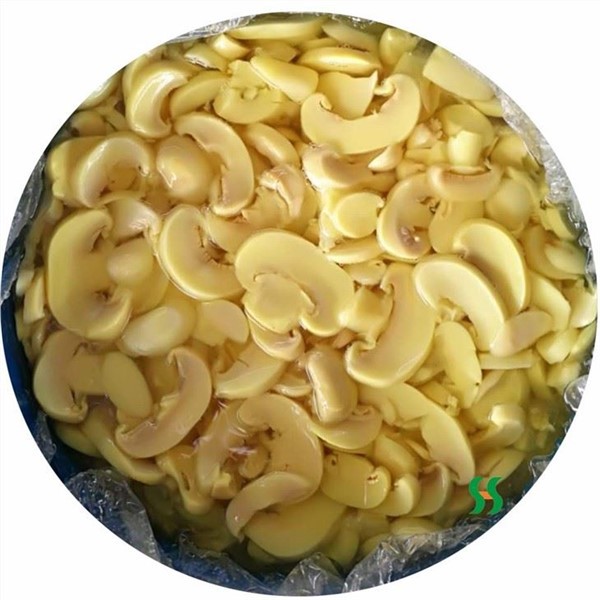

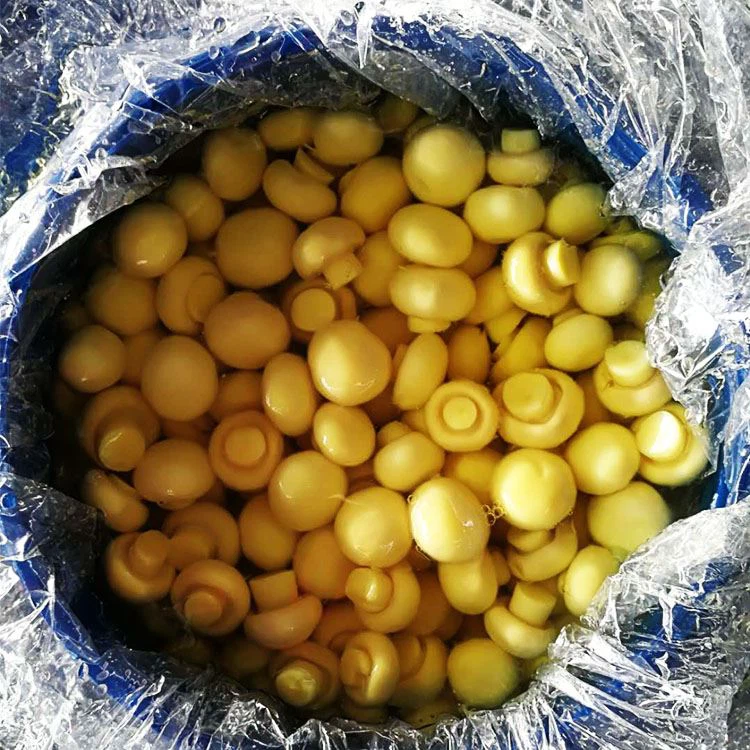
As a dedicated supplier of Mushroom In Drum, I often encounter inquiries from customers who are curious about alternatives to using traditional drums for packaging our mushroom products. This blog post aims to explore the feasibility of using drum substitutes and shed light on the implications for our Mushroom In Drum offerings.
The Appeal of Mushroom In Drum
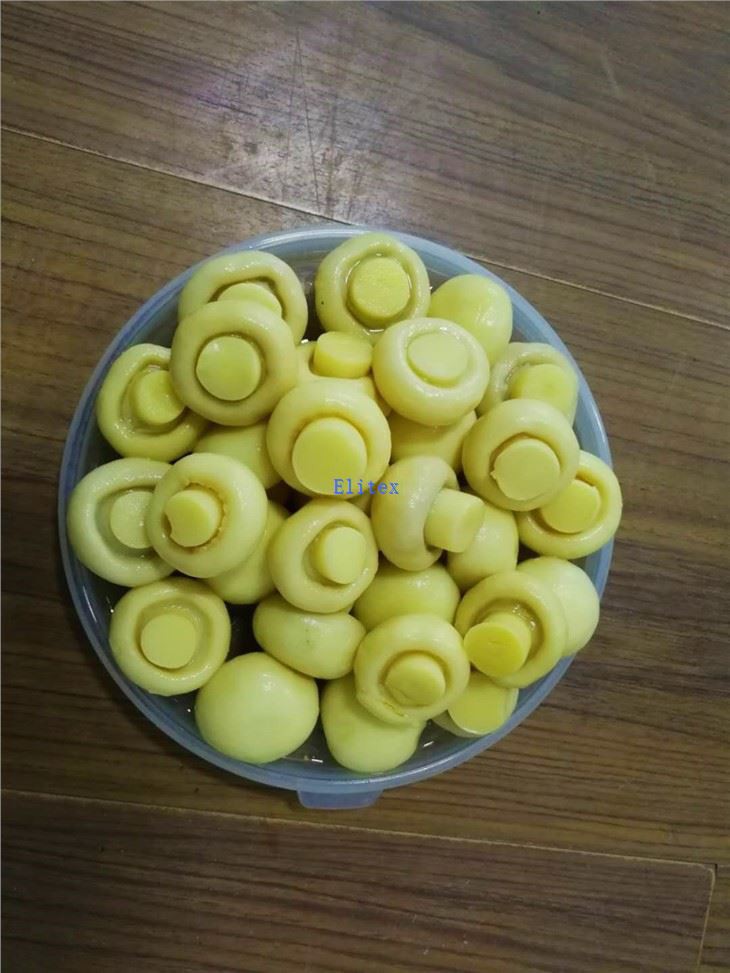
Mushroom In Drum has long been a staple in the food industry, particularly for commercial kitchens, restaurants, and food processing companies. The large drums provide a convenient and cost - effective way to store and transport a significant quantity of mushrooms. Our products, such as Mushroom Grade B and Fresh Champignon In Brine In Whole, are carefully selected and preserved to maintain their quality and flavor, making them a popular choice among our clients.
Reasons for Considering Drum Substitutes
There are several reasons why customers might be interested in drum substitutes. Firstly, drums can be bulky and heavy, which can pose challenges in terms of storage space and transportation costs. For smaller businesses or those with limited storage facilities, finding a more compact and lightweight alternative could be highly beneficial. Secondly, environmental concerns are becoming increasingly important in today's market. Many companies are looking for more sustainable packaging options to reduce their carbon footprint. Drum substitutes that are made from recyclable or biodegradable materials could be an attractive solution.
Potential Drum Substitutes
Plastic Containers
Plastic containers are a common alternative to drums. They come in a variety of sizes and shapes, and can be easily customized to meet specific requirements. Plastic is lightweight, which can significantly reduce transportation costs. Additionally, many plastic containers are designed to be stackable, making them a space - efficient option for storage. However, there are some drawbacks to using plastic. Some types of plastic may not be as durable as drums, which could lead to potential leakage or damage during transportation. Moreover, plastic waste is a major environmental issue, and not all plastic containers are easily recyclable.
Flexible Pouches
Flexible pouches are another option that has gained popularity in recent years. These pouches are made from materials such as polyethylene or polypropylene, and can be sealed to keep the mushrooms fresh. They are extremely lightweight and take up very little space, both in storage and during transportation. Flexible pouches also offer the advantage of being easy to open and dispense the mushrooms. However, they may not be as suitable for long - term storage as drums, as they may not provide the same level of protection against oxygen and moisture.
Cardboard Boxes
Cardboard boxes are a more traditional and environmentally friendly option. They are made from recyclable materials and can be easily disposed of after use. Cardboard boxes can be designed to be sturdy and protective, and can be customized with labels and branding. However, they may not be as resistant to moisture as drums or plastic containers. If the mushrooms are stored in a humid environment, there is a risk of the cardboard box getting damaged, which could affect the quality of the mushrooms.
Impact on Product Quality
When considering drum substitutes, it is crucial to assess the impact on the quality of the Mushroom In Drum products. Our mushrooms, such as Preserved Mushroom in SO2 in Drum, are carefully preserved to maintain their flavor, texture, and nutritional value. Any change in packaging could potentially affect these qualities.
For example, if the substitute packaging does not provide adequate protection against oxygen and moisture, the mushrooms may be more prone to spoilage. Oxygen can cause the mushrooms to oxidize, which can lead to a change in color and flavor. Moisture can promote the growth of mold and bacteria, which can render the mushrooms unsafe for consumption. Therefore, it is essential to choose a substitute that can provide a similar level of protection as drums.
Regulatory Considerations
When using drum substitutes, it is important to ensure that they comply with all relevant regulatory requirements. Different countries and regions have specific regulations regarding food packaging materials. For example, the packaging must be made from materials that are safe for contact with food and must not contaminate the mushrooms. Additionally, there may be requirements for labeling and traceability. As a supplier, we are committed to ensuring that all our products meet the highest standards of quality and safety, and any drum substitute we consider must also meet these regulatory requirements.
Cost - Benefit Analysis
Another important factor to consider is the cost - benefit analysis of using drum substitutes. While drum substitutes may offer advantages in terms of storage and transportation costs, they may also come with additional costs. For example, the cost of purchasing new packaging equipment to fill and seal the substitute containers may be significant. Additionally, if the substitute packaging requires special handling or storage conditions, this could also add to the overall cost.
On the other hand, if the drum substitute can reduce transportation costs and improve efficiency, the long - term savings could outweigh the initial investment. It is important to carefully evaluate the costs and benefits of each option before making a decision.
Customer Preferences
Ultimately, customer preferences play a crucial role in determining whether drum substitutes are a viable option. Some customers may be accustomed to receiving Mushroom In Drum and may be hesitant to switch to a different packaging format. Others may be more open to trying new alternatives, especially if they offer clear advantages such as cost savings or environmental benefits.
As a supplier, we are committed to working closely with our customers to understand their needs and preferences. We can conduct market research and customer surveys to gather feedback on potential drum substitutes. By involving our customers in the decision - making process, we can ensure that any change in packaging meets their expectations.
Conclusion
In conclusion, while there are several potential drum substitutes available, each option has its own advantages and disadvantages. The feasibility of using a drum substitute depends on a variety of factors, including product quality, regulatory requirements, cost - benefit analysis, and customer preferences. As a Mushroom In Drum supplier, we are constantly exploring new ways to improve our products and packaging. We are open to considering drum substitutes that can offer a better balance between functionality, cost, and sustainability.
If you are interested in learning more about our Mushroom In Drum products or discussing potential drum substitutes, we encourage you to contact us for a procurement discussion. We are eager to work with you to find the best solution for your business needs.
References
- "Food Packaging: Principles and Practice" by Tara H. McHugh
- "Sustainable Packaging: Strategies for Environmental and Business Success" by Joseph F. Francica