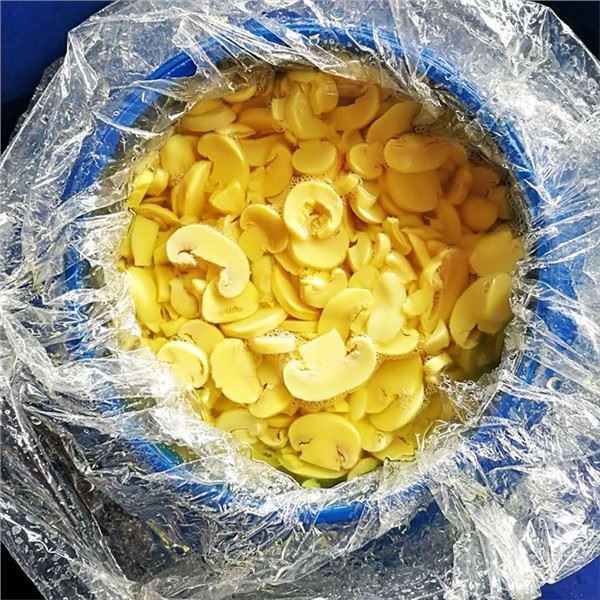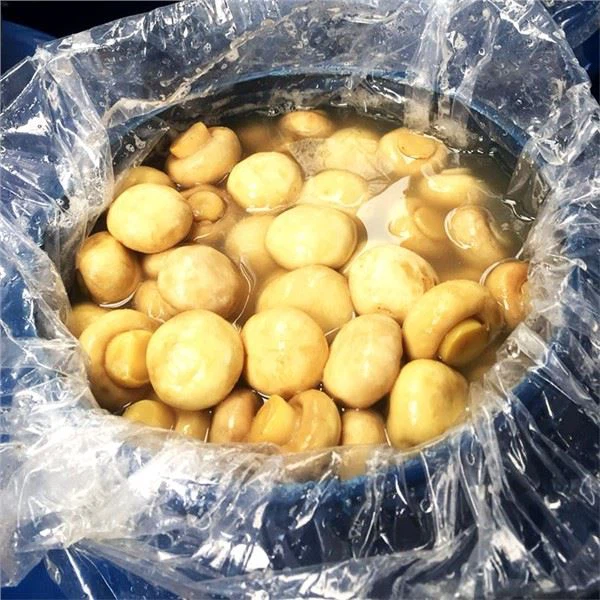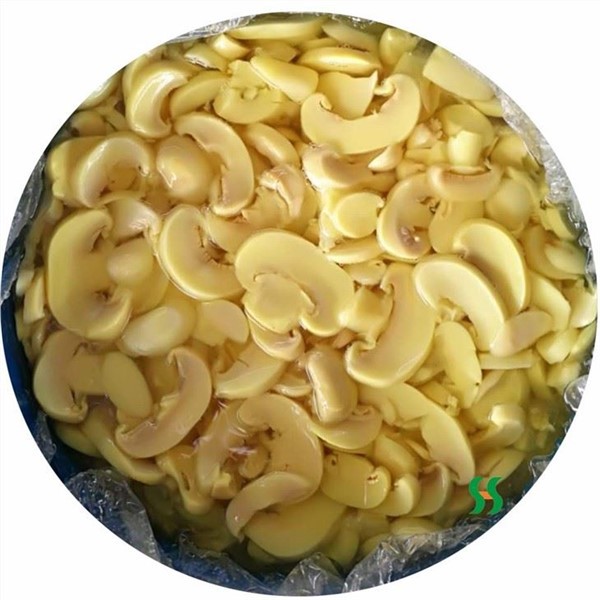

As a dedicated supplier of Champignons In Vinegar, I've spent years perfecting the art of creating these delicious and tangy treats. Over time, I've learned a variety of techniques to enhance the tanginess of our champignons, making them a favorite among customers. In this blog, I'll share some of the key methods I use to achieve that extra - zesty flavor.
Understanding the Basics of Tanginess
Tanginess in champignons comes primarily from the vinegar used in the preservation process. Vinegar contains acetic acid, which gives it that sharp, sour taste. Different types of vinegar can bring unique flavor profiles to the champignons. For example, white wine vinegar offers a delicate and slightly fruity tang, while apple cider vinegar has a more earthy and robust flavor.
When choosing vinegar for our champignons, we always opt for high - quality products. The purity and acidity level of the vinegar play a crucial role in determining the final tanginess of the mushrooms. A vinegar with a higher acidity level will generally result in a more tangy product. We typically look for vinegars with an acidity of around 5 - 7%.
The Role of Seasonings
Seasonings are another essential component in making champignons in vinegar more tangy. Herbs and spices can complement the vinegar's flavor and add an extra layer of complexity. Garlic is a classic choice. Its pungent flavor pairs well with the tang of the vinegar and enhances the overall taste of the champignons. We usually crush a few cloves of fresh garlic and add them to the vinegar solution.
Dill is another herb that works wonders. Its fresh, slightly bitter taste adds a unique dimension to the tangy flavor. A few sprigs of dill can be added to each jar of champignons during the pickling process. Additionally, black peppercorns can be included. They not only add a bit of heat but also a subtle spiciness that contrasts nicely with the tangy vinegar.
The Pickling Process
The pickling process itself is crucial for achieving the desired tanginess. First, we start with fresh and high - quality champignons. We carefully clean them to remove any dirt or debris. Then, we blanch the mushrooms in boiling water for a short period, usually around 2 - 3 minutes. This step helps to partially cook the mushrooms and also opens up their pores, allowing them to absorb the vinegar and seasonings more effectively.
After blanching, we transfer the champignons to sterilized jars. We prepare the pickling solution by combining the vinegar with water, salt, and our chosen seasonings. The ratio of vinegar to water is important. A higher proportion of vinegar will result in a more tangy product. We usually use a ratio of about 2:1 (vinegar to water).

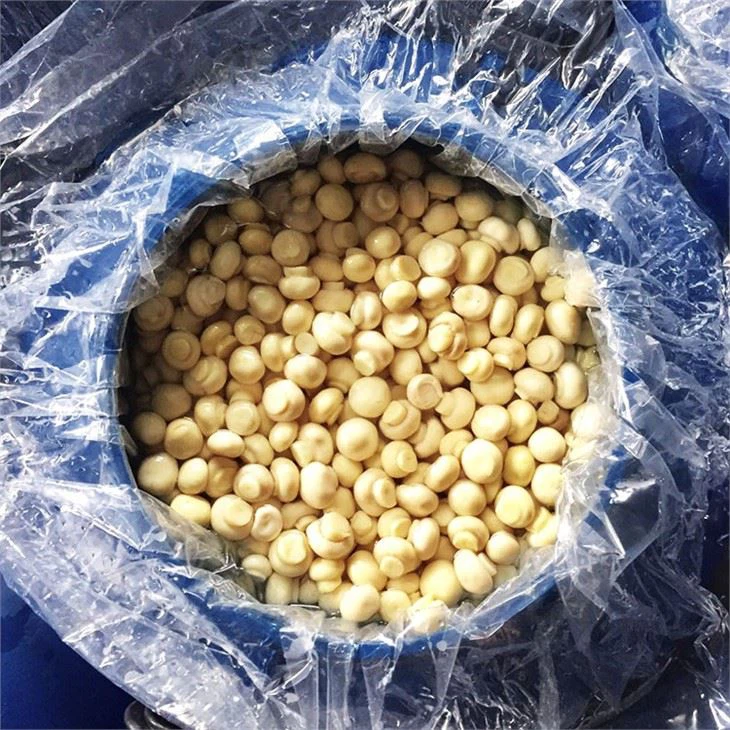
Once the pickling solution is ready, we pour it over the champignons in the jars, making sure that the mushrooms are completely submerged. We then seal the jars tightly and let them sit at room temperature for a few days to allow the flavors to meld. During this time, the mushrooms absorb the tangy flavor of the vinegar and seasonings.
Aging and Storage
Aging is a key factor in enhancing the tanginess of champignons in vinegar. After the initial few days at room temperature, we move the jars to a cool, dark place for further aging. This can be a pantry or a cellar. Over time, the flavors continue to develop and intensify. The longer the champignons are aged, the more tangy and flavorful they become. We recommend aging our Champignons in Vinegar for at least 2 - 3 weeks, but some customers prefer to wait even longer, up to a few months.
Proper storage is also essential. The jars should be kept away from direct sunlight and heat, as these can cause the vinegar to lose its acidity and the mushrooms to spoil. A consistent temperature is important for maintaining the quality and tanginess of the product.
Quality Control
As a supplier, we have strict quality control measures in place to ensure that each batch of champignons in vinegar meets our high standards of tanginess. We regularly test the acidity of the pickling solution and the flavor of the mushrooms. We use pH meters to measure the acidity of the vinegar, and our experienced tasters evaluate the flavor profile.
If a batch doesn't meet our tanginess criteria, we adjust the pickling process for the next batch. This might involve increasing the amount of vinegar, changing the type of vinegar, or adding more seasonings.
Different Varieties for Different Tastes
We offer a range of champignon products to cater to different customer preferences. Our Whole Champignon in Vinegar is a popular choice for those who prefer the natural shape and texture of the mushrooms. The whole mushrooms absorb the tangy flavor evenly, and they can be used in a variety of dishes, such as salads, sandwiches, and pasta.
For customers who like a more intense flavor, our Preserved Mushrooms Wholes in So2 might be the perfect option. The addition of sulfur dioxide helps to preserve the mushrooms and also enhances their tanginess and flavor.
Contact for Purchase and Collaboration
If you're interested in our tangy champignons in vinegar, whether for personal consumption or for business purposes such as restaurants or food retailers, we'd love to hear from you. We're always open to discussions about purchasing our products in bulk and exploring potential collaborations. You can reach out to us to start a conversation about your specific needs and requirements.
References
- "The Art of Pickling" by Linda Ziedrich. This book provides in - depth knowledge about the pickling process and offers many tips on enhancing flavors.
- "Mushroom Cultivation and Preservation" by a group of food science experts. It contains valuable information on the handling and preservation of mushrooms, including champignons.