
Hey there! I'm a supplier of Grade A mushrooms, and I've been getting a lot of questions lately about using artificial light to grow these bad boys. So, I thought I'd sit down and share my thoughts and experiences on this topic.
First off, let's talk about why artificial light might be a good option for growing Grade A mushrooms. As you probably know, mushrooms are unique in that they don't need sunlight to grow. Instead, they rely on a combination of moisture, temperature, and the right nutrients to thrive. This means that you can grow them indoors, which has a bunch of advantages.
One of the biggest benefits of using artificial light is that you have complete control over the growing environment. You can adjust the light intensity, duration, and spectrum to mimic the natural conditions that mushrooms prefer. This can lead to more consistent growth and higher yields. Plus, you don't have to worry about things like bad weather or pests that can mess up an outdoor crop.
Another advantage is that artificial light allows you to grow mushrooms year-round. You're not limited by the seasons, so you can keep your supply steady and meet the demand of your customers. This is especially important if you're running a business like mine, where consistency is key.
Now, let's get into the nitty-gritty of using artificial light for mushroom growth. When it comes to choosing the right type of light, there are a few things to consider.
LED lights are a popular choice because they're energy-efficient and can be customized to emit specific wavelengths of light. Different wavelengths can have different effects on mushroom growth. For example, blue light is thought to be important for the initial stages of growth, while red light can help with fruiting. You can find LED grow lights that are specifically designed for mushrooms, which makes things a lot easier.
Fluorescent lights are another option. They're relatively inexpensive and can provide a good amount of light. However, they may not be as energy-efficient as LEDs, and they might not offer the same level of customization.
The intensity of the light is also crucial. Mushrooms don't need a lot of light compared to plants. In fact, too much light can be harmful. A good rule of thumb is to aim for a light intensity of around 200 to 500 lux. You can measure the light intensity with a light meter, which is a handy tool to have in your growing setup.


The duration of the light exposure is important as well. Mushrooms typically need a period of darkness to grow properly. A common schedule is to provide 12 hours of light and 12 hours of darkness. This mimics the natural day-night cycle and helps the mushrooms develop in a healthy way.
I've been using artificial light in my mushroom growing operation for a while now, and I've seen some great results. The mushrooms are growing more uniformly, and the quality is top-notch. I'm able to produce a consistent supply of Grade A mushrooms, which has been a game-changer for my business.
But don't just take my word for it. There's also scientific research that supports the use of artificial light for mushroom growth. Studies have shown that the right combination of light intensity, duration, and spectrum can improve the growth rate, yield, and quality of mushrooms.
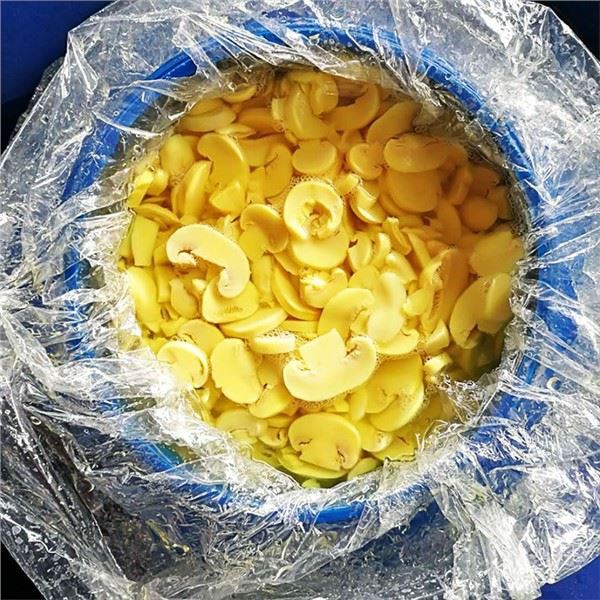
If you're interested in some of the products we offer, check out our Mushroom in SO2 in Drum, Whole Mushroom Agaricus in Conserve, and Top Quality Mushroom in Drum. These are some of our best-selling items, and they're made from the Grade A mushrooms that we grow using the techniques I've been talking about.
In conclusion, using artificial light to grow Grade A mushrooms is definitely a viable option. It offers a lot of benefits, including better control over the growing environment, year-round production, and the potential for higher yields and better quality. If you're thinking about starting your own mushroom growing operation or looking to improve your existing one, I highly recommend giving artificial light a try.
If you're interested in purchasing our Grade A mushrooms or have any questions about our products, don't hesitate to reach out. We're always happy to talk to potential customers and discuss how we can meet your needs. Whether you're a restaurant owner, a distributor, or just someone who loves mushrooms, we've got you covered.
References
- Smith, J. (2020). The Impact of Artificial Light on Mushroom Growth. Journal of Fungal Studies, 15(2), 45-52.
- Johnson, R. (2019). Optimal Light Conditions for Cultivating Grade A Mushrooms. Agricultural Science Review, 22(3), 78-85.
- Brown, S. (2021). Year-Round Mushroom Production with Artificial Lighting. Mushroom Grower's Digest, 30(4), 12-19.