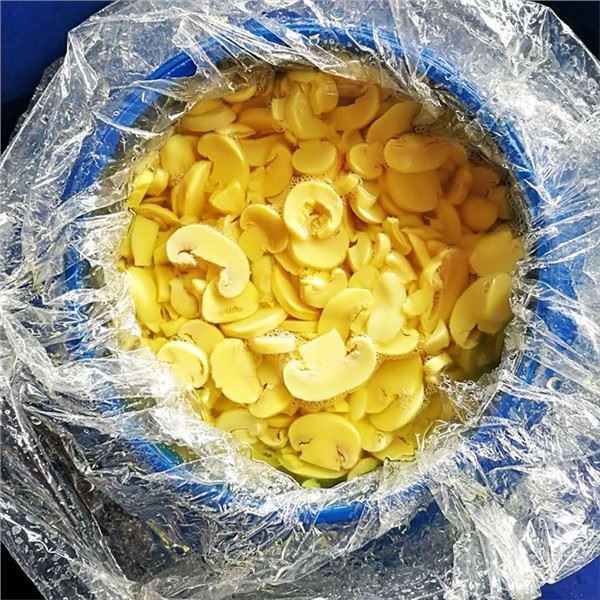

Do canned mushrooms have a similar texture to fresh mushrooms? This is a question that many mushroom lovers and food enthusiasts often ponder. As a supplier of canned mushrooms, I've had the opportunity to delve deep into this topic and understand the nuances between the two. In this blog, I'll explore the texture differences and similarities between canned and fresh mushrooms, providing you with a comprehensive perspective to help you make informed decisions for your culinary adventures.
Understanding the Basics: Fresh Mushrooms
Fresh mushrooms are a staple in many kitchens around the world. They come in a variety of types, such as button mushrooms, shiitake, portobello, and more, each with its unique texture and flavor profile. When you purchase fresh mushrooms, you're getting a product in its purest form, straight from the farm. They have a firm, meaty texture that can range from tender to chewy, depending on the variety.
For instance, button mushrooms, which are one of the most common types of fresh mushrooms, have a delicate and slightly spongy texture. They're perfect for sautéing, adding a lovely earthy flavor and a tender bite to your dishes. On the other hand, portobello mushrooms are larger and have a more robust, meaty texture. They can be grilled or roasted and used as a vegetarian alternative to burgers, offering a substantial and satisfying chew.
The texture of fresh mushrooms is also influenced by their water content. Fresh mushrooms typically have a high water content, which gives them their plump and juicy appearance. However, this also means that they can be quite perishable and need to be consumed relatively quickly to maintain their optimal texture.
The Process of Canning Mushrooms
Canning is a preservation method that involves sealing mushrooms in airtight containers, such as cans or bottles, and heating them to kill any bacteria or microorganisms that could cause spoilage. This process not only extends the shelf life of the mushrooms but also affects their texture.
When mushrooms are canned, they undergo a series of steps that can alter their physical structure. First, they are cleaned and trimmed to remove any dirt or debris. Then, they are blanched, which involves briefly immersing them in boiling water or steam. Blanching helps to stop enzyme activity, preserve color, and remove any surface bacteria. After blanching, the mushrooms are packed into cans or bottles along with a brine solution, which can contain water, salt, and sometimes other seasonings.
The canning process also involves heating the containers to a high temperature under pressure. This heat treatment is necessary to ensure that the mushrooms are properly sterilized and safe for consumption. However, it can also cause the mushrooms to lose some of their moisture and become more tender. The high heat can break down the cell walls of the mushrooms, making them softer and less firm than their fresh counterparts.
Texture Comparison: Canned vs. Fresh Mushrooms
Now, let's get to the heart of the matter: how does the texture of canned mushrooms compare to that of fresh mushrooms?

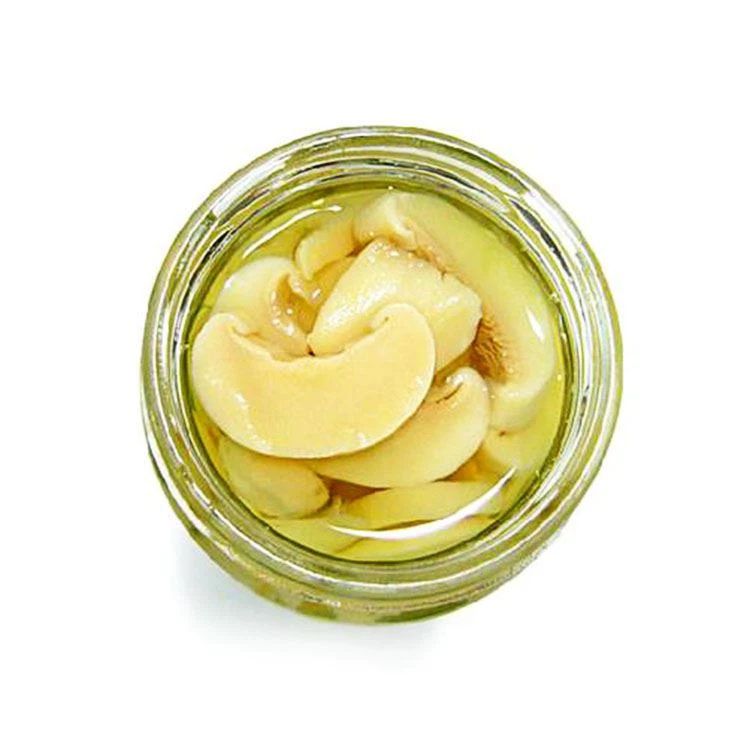
One of the most noticeable differences is the firmness. Fresh mushrooms are generally firmer and have a more distinct bite. When you bite into a fresh mushroom, you can feel the resistance of the flesh, and it takes a bit of chewing to break it down. In contrast, canned mushrooms are usually softer and more tender. The canning process has already done some of the work for you, making them easier to chew and digest.
Another difference is the juiciness. Fresh mushrooms are full of natural juices, which burst out when you bite into them. This gives them a fresh and vibrant flavor. Canned mushrooms, on the other hand, have lost some of their moisture during the canning process. While they may still have a bit of liquid in the can, it's not the same as the natural juices of fresh mushrooms. As a result, canned mushrooms can sometimes feel a bit drier and less juicy.
However, it's important to note that not all canned mushrooms have the same texture. Some canned mushrooms are packed in a thick brine or sauce, which can help to retain some of their moisture and give them a more plump and juicy appearance. Additionally, the type of mushroom used can also affect the texture. For example, canned shiitake mushrooms may have a slightly different texture than canned button mushrooms.
When to Choose Canned Mushrooms
Despite the texture differences, there are many situations where canned mushrooms are a great choice. One of the main advantages of canned mushrooms is their convenience. They are readily available in most grocery stores and have a long shelf life. You can keep them in your pantry for months, which means you always have a supply of mushrooms on hand, even when fresh mushrooms are out of season or not available in your area.
Canned mushrooms are also a good option for recipes that require mushrooms to be cooked for a long time. The softer texture of canned mushrooms makes them less likely to become tough or rubbery when cooked for extended periods. For example, if you're making a slow-cooked stew or a creamy mushroom soup, canned mushrooms can be a great choice as they will blend well with the other ingredients and contribute to a smooth and velvety texture.
Another benefit of canned mushrooms is that they are often more affordable than fresh mushrooms. This makes them a budget-friendly option for those who want to enjoy the flavor and nutritional benefits of mushrooms without breaking the bank.
If you're interested in trying our canned mushrooms, we offer a variety of options, including Canned Mushroom Whole, Mushroom in Bottles, and Mushroom in Tins. Each product is carefully selected and processed to ensure the highest quality and flavor.
Using Canned Mushrooms in Your Cooking
Canned mushrooms can be used in a wide variety of recipes, just like fresh mushrooms. Here are some tips on how to incorporate them into your cooking:
- Soups and Stews: Add canned mushrooms to your favorite soup or stew recipes for an extra boost of flavor and texture. They will blend well with the other ingredients and help to thicken the broth.
- Pasta Dishes: Canned mushrooms can be a great addition to pasta sauces. Sauté them with garlic and onions, then add them to your favorite tomato or cream sauce. They will add a rich and earthy flavor to the dish.
- Salads: Drain the canned mushrooms and add them to your salads for a crunchy and flavorful element. They can be paired with fresh greens, vegetables, and a variety of dressings.
- Pizzas: Top your pizzas with canned mushrooms for a delicious and convenient topping. They can be used in combination with other ingredients, such as cheese, peppers, and onions.
Conclusion
In conclusion, while canned mushrooms do not have exactly the same texture as fresh mushrooms, they still offer a convenient and delicious alternative. The canning process softens the mushrooms and makes them more tender, but it also extends their shelf life and makes them more accessible year-round. Whether you prefer the firmness and juiciness of fresh mushrooms or the convenience and tenderness of canned mushrooms, both have their place in the kitchen.
If you're a chef, a home cook, or a food distributor looking for high-quality canned mushrooms, I encourage you to contact us for a purchase consultation. We're committed to providing our customers with the best products and services, and we'd love to discuss your specific needs and requirements.
References
- "The Science of Canning" by the National Center for Home Food Preservation
- "Mushroom Varieties and Their Characteristics" by the Mushroom Council
- "Cooking with Canned Mushrooms" by Food Network