
Do I Need to Add Salt to Mushroom in Vinegar?
As a seasoned supplier of Mushrooms in Vinegar, I often encounter questions from customers about the best practices for preparing and preserving these delicious fungi. One of the most common inquiries is whether salt should be added to mushrooms pickled in vinegar. In this blog post, I'll delve into the science behind this question and provide some practical insights based on my years of experience in the industry.
The Role of Salt in Pickling
Salt has been used for centuries as a preservative and flavor enhancer in food preservation. When it comes to pickling mushrooms in vinegar, salt plays several important roles. First and foremost, salt helps to draw out moisture from the mushrooms through a process called osmosis. This reduces the water content in the mushrooms, creating an environment that is less hospitable to bacteria and other microorganisms that can cause spoilage. By inhibiting the growth of these unwanted organisms, salt helps to extend the shelf life of the pickled mushrooms.
In addition to its preservative properties, salt also enhances the flavor of the mushrooms. It adds a savory, umami note that complements the tangy flavor of the vinegar. Salt can also help to balance the acidity of the vinegar, making the overall flavor of the pickled mushrooms more complex and well-rounded.
The Science of Osmosis
To understand how salt works in the pickling process, it's important to have a basic understanding of osmosis. Osmosis is the movement of water molecules across a semi-permeable membrane from an area of lower solute concentration to an area of higher solute concentration. In the context of pickling mushrooms, the cell walls of the mushrooms act as the semi-permeable membrane. When the mushrooms are placed in a salt solution, the concentration of salt outside the cells is higher than the concentration of salt inside the cells. As a result, water molecules move out of the cells and into the surrounding salt solution.
This process of osmosis not only helps to preserve the mushrooms but also affects their texture. As the mushrooms lose water, they become firmer and more compact. This can be desirable in pickled mushrooms, as it gives them a satisfying crunch.


How Much Salt to Add
The amount of salt to add to mushrooms pickled in vinegar can vary depending on personal taste and the specific recipe being used. As a general rule of thumb, a salt concentration of around 2-3% is recommended for pickling mushrooms. This can be achieved by dissolving about 20-30 grams of salt in 1 liter of vinegar. However, it's important to note that this is just a guideline, and you may need to adjust the amount of salt based on your own preferences.
If you prefer a more heavily salted pickle, you can increase the salt concentration to 4-5%. On the other hand, if you're watching your sodium intake or prefer a milder flavor, you can reduce the salt concentration to 1-2%. Keep in mind that reducing the salt concentration may also reduce the preservative effect of the salt, so you may need to take additional steps to ensure the safety and longevity of the pickled mushrooms.
Other Considerations
In addition to salt, there are other factors to consider when pickling mushrooms in vinegar. The type of vinegar used can have a significant impact on the flavor of the pickled mushrooms. White vinegar, apple cider vinegar, and red wine vinegar are all popular choices, each with its own unique flavor profile. White vinegar is the most neutral in flavor, while apple cider vinegar has a slightly sweet and fruity taste, and red wine vinegar has a more robust and complex flavor.
The addition of other seasonings and spices can also enhance the flavor of the pickled mushrooms. Garlic, dill, peppercorns, and bay leaves are all common additions that can add depth and complexity to the pickling liquid. You can experiment with different combinations of seasonings to create your own unique flavor profile.
Our Product: Champignons in Vinegar
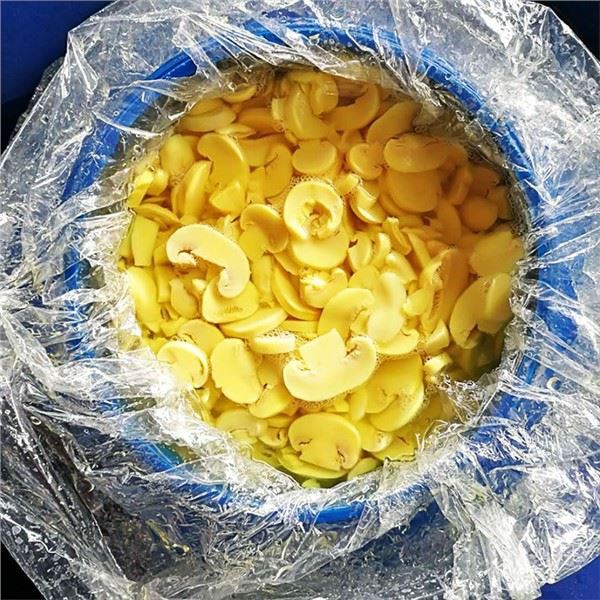
At our company, we take pride in offering high-quality Champignons in Vinegar that are carefully prepared using traditional pickling methods. Our champignons are sourced from the finest mushrooms and pickled in a blend of vinegar, salt, and natural seasonings. The result is a delicious and versatile product that can be used in a variety of dishes, from salads and sandwiches to pasta and pizza.
We also offer Preserved Mushrooms Wholes in So2, which are preserved using sulfur dioxide to extend their shelf life. These mushrooms are perfect for use in commercial kitchens and food processing applications, where long-term storage and consistent quality are essential.
Conclusion
So, do you need to add salt to mushrooms pickled in vinegar? The answer is yes, salt plays an important role in the pickling process, both as a preservative and a flavor enhancer. By drawing out moisture from the mushrooms and inhibiting the growth of bacteria, salt helps to extend the shelf life of the pickled mushrooms. It also adds a savory, umami note that complements the tangy flavor of the vinegar.
However, the amount of salt to add can vary depending on personal taste and the specific recipe being used. It's important to experiment with different salt concentrations and seasonings to find the combination that works best for you.
If you're interested in purchasing our high-quality pickled mushrooms, please don't hesitate to contact us for more information. We're always happy to answer any questions you may have and to discuss your specific needs and requirements. Whether you're a restaurant owner, a food processor, or a home cook, we have the perfect pickled mushroom product for you.
References
- "Principles of Food Science and Technology" by Fennema, Owen R.
- "The Science of Cooking" by McGee, Harold.
- "Pickling and Preserving for Beginners" by Hill, Angela.